English
 Español
Content
- 1 Understanding Gas Brush Cutters: How They Work and Key Components
- 2 Gas vs. Electric: Choosing the Right Power Source for Your Needs
- 3 Choosing the Perfect Gas Brush Cutter: A Buyer's Guide
- 4 Essential Operation and Safety Practices
- 5 Professional Maintenance for Longevity and Peak Performance
- 6 The Value of Quality and Innovation in Brush Cutter Manufacturing
- 7
- 8 Frequently Asked Questions (FAQs)
- 8.1 1. What size gas brush cutter do I need for 2 acres of overgrown land?
- 8.2 2. Can I use regular gasoline in my gas brush cutter?
- 8.3 3. Why does my gas brush cutter start but then stall immediately?
- 8.4 4. How often should I replace the trimmer line or blade?
- 8.5 5. What is the most important safety gear when using a gas brush cutter?
When tackling heavy-duty vegetation control, from overgrown fields to stubborn saplings, the right tool makes all the difference. For professionals and serious landowners, gas brush cutters remain the gold standard for raw power, endurance, and versatility. Unlike their electric counterparts, these machines offer unmatched freedom and runtime, allowing you to conquer the toughest terrain far from any power outlet. This guide delves deep into everything you need to know about gas-powered brush cutters, helping you understand their mechanics, choose the right model, and operate them safely and efficiently for optimal results.
Understanding Gas Brush Cutters: How They Work and Key Components
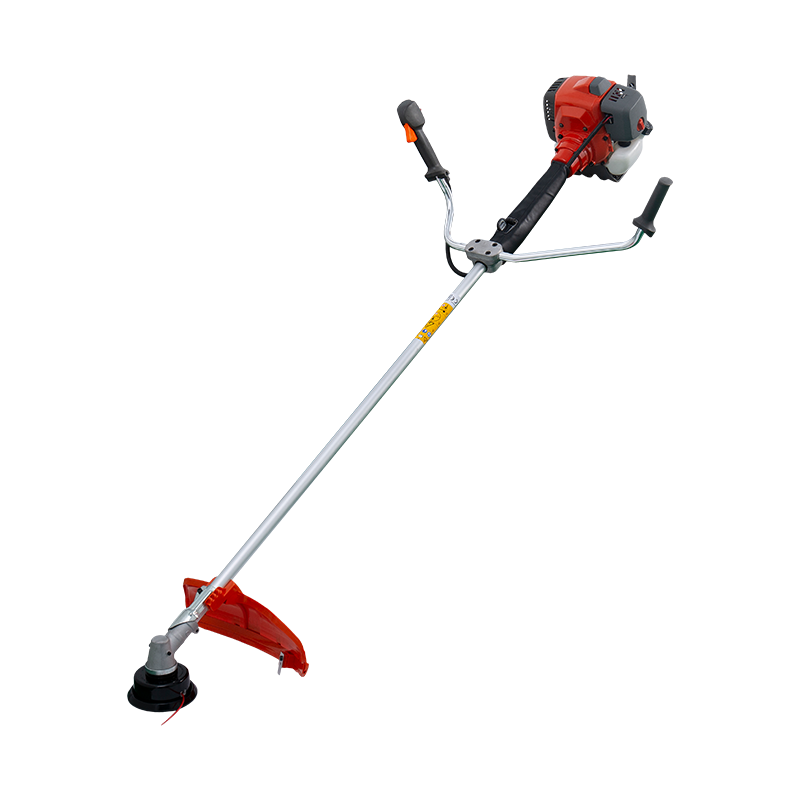
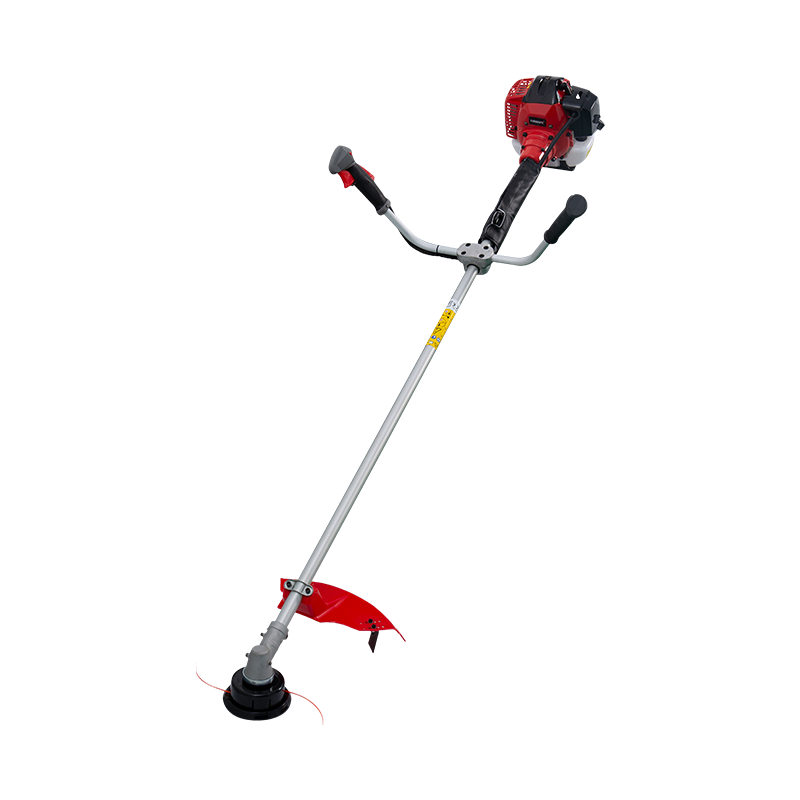
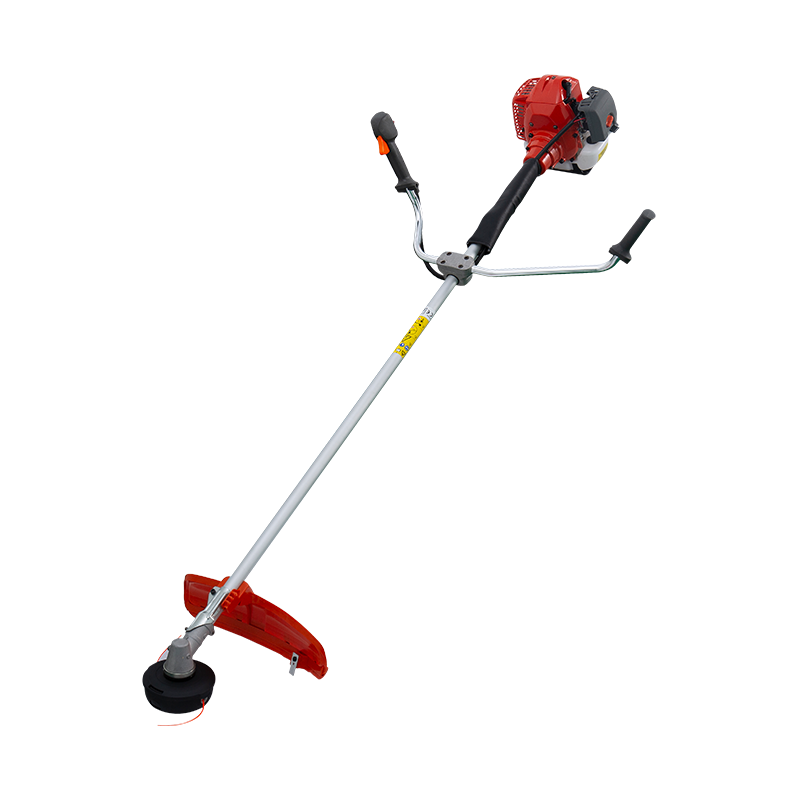
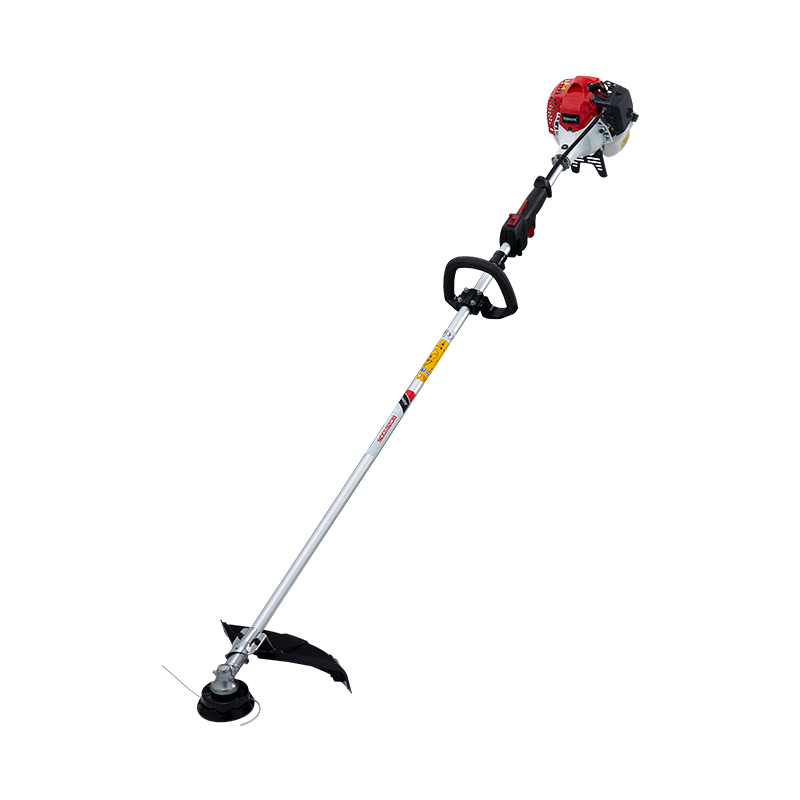
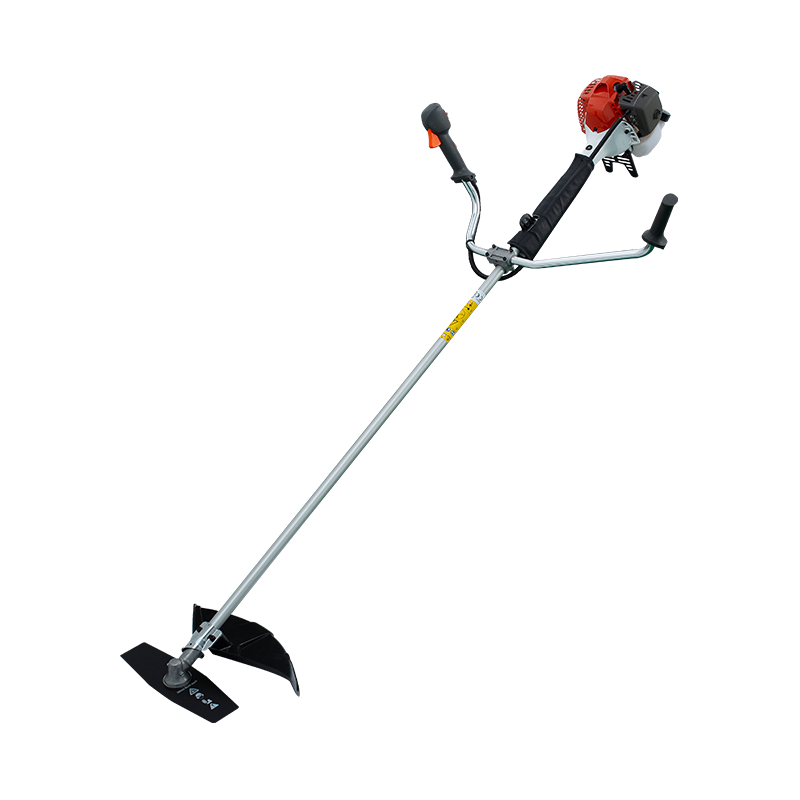
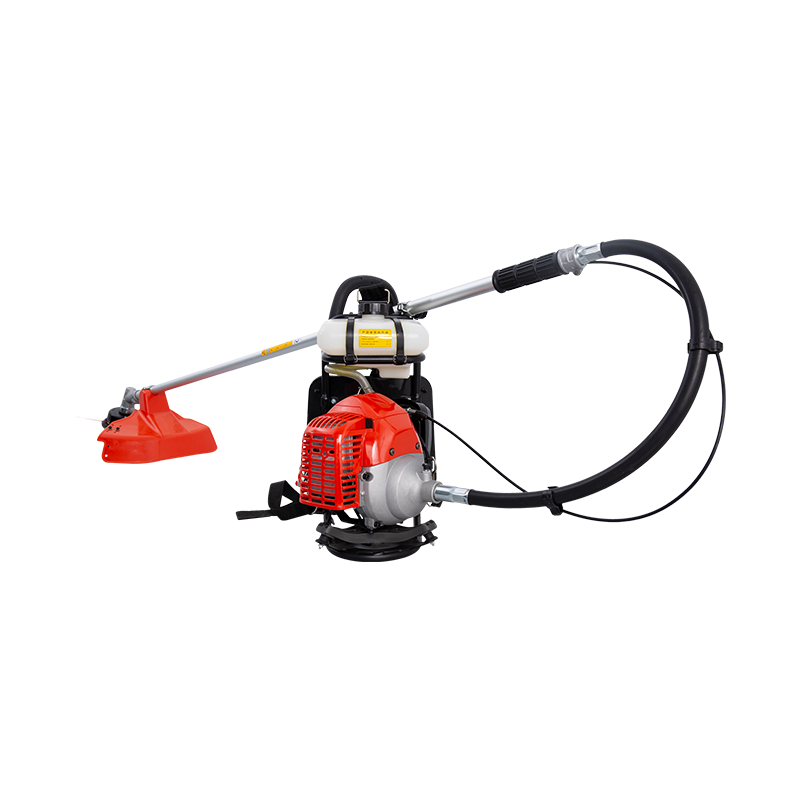
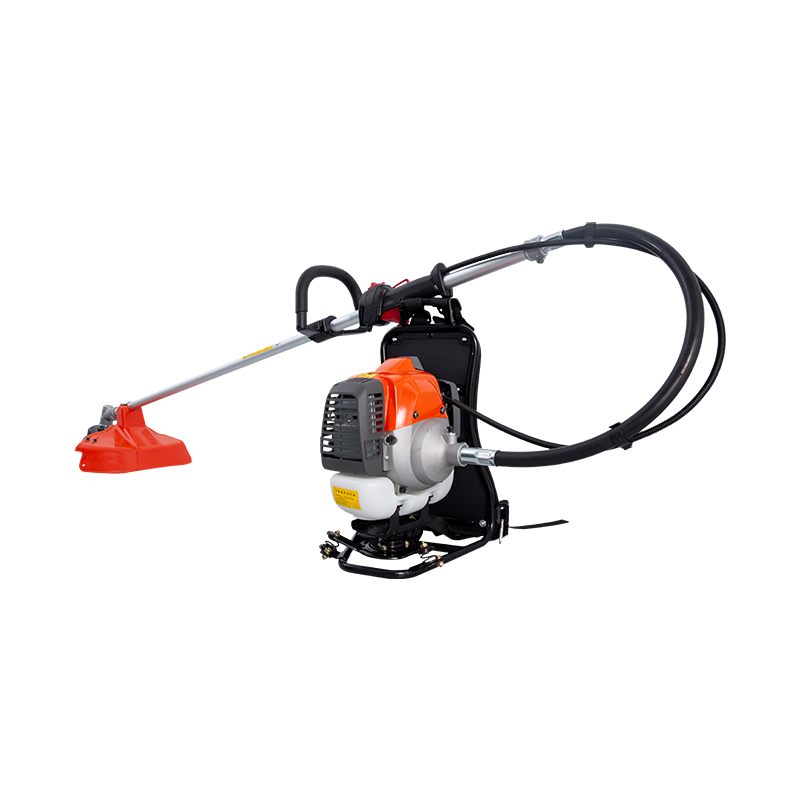
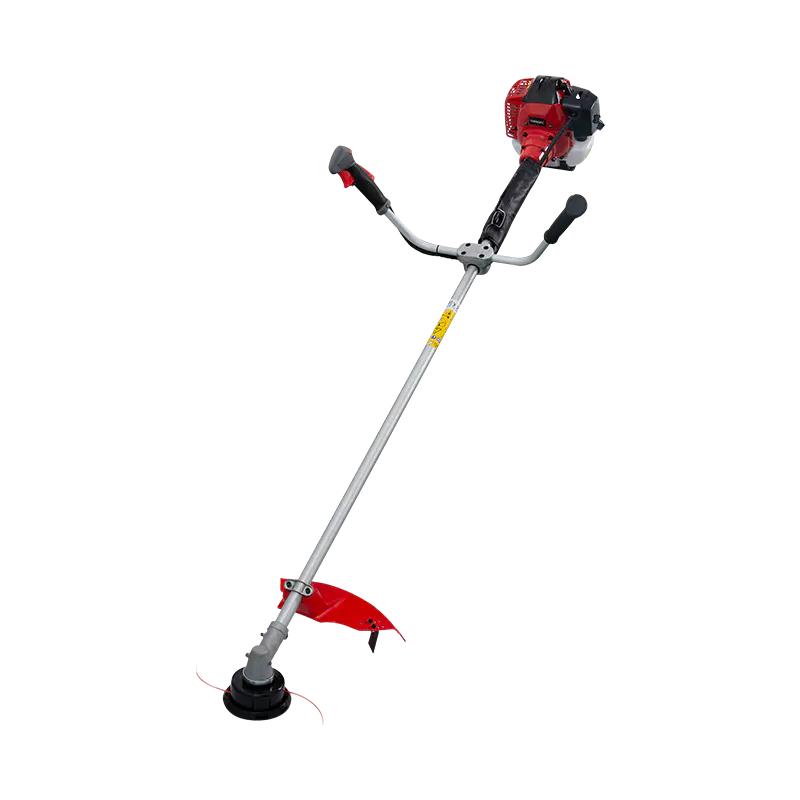
A gas brush cutter is a powerful landscaping tool designed to clear dense weeds, tall grass, brush, and even small trees. Its core principle is converting the rotational power from a two-stroke or four-stroke gasoline engine into high-speed cutting action at the end of a long shaft.
Core Components and Their Functions
- Engine: The heart of the machine, typically ranging from 25cc to over 50cc. It provides the power needed for demanding tasks.
- Drive Shaft: A metal rod housed inside the pole that transfers engine power to the cutting head.
- Cutting Attachment: The interchangeable tool at the end of the shaft. Common options include:
- Metal Blades: For thick brush, brambles, and saplings.
- Trimmer Line Heads: For grass and light weeds.
- Brush Knives: A middle ground for mixed vegetation.
- Harness: A crucial safety and comfort feature that distributes the machine's weight across the operator's shoulders and back.
Gas vs. Electric: Choosing the Right Power Source for Your Needs
Choosing between gas and electric brush cutters depends heavily on your specific property and tasks. While electric models are quieter and require less maintenance, gas brush cutters excel in power and range.
For large, overgrown, or remote areas, a gas-powered tool is indispensable. Its cordless operation and sustained high power output mean you can work all day without being tethered to a generator or outlet. This makes it the only viable option for clearing overgrown land with a gas brush cutter. Conversely, for small suburban lots with light, regular trimming, an electric model might suffice. The following table breaks down the key differences.
| Feature | Gas Brush Cutter | Electric/Battery Brush Cutter |
| Power & Runtime | Very high power; Runtime limited only by fuel. | Moderate to good power; Runtime limited by battery capacity (typically 30-90 mins). |
| Mobility & Range | Complete freedom; ideal for large, remote areas. | Limited by cord length or battery life; best for defined, accessible areas. |
| Maintenance | Higher (engine oil, air filter, spark plug, fuel mix). | Very low (primarily cleaning and battery care). |
| Noise & Emissions | Louder; produces exhaust fumes. | Quiet; zero emissions at point of use. |
Choosing the Perfect Gas Brush Cutter: A Buyer's Guide
Selecting the right model requires careful consideration of several factors to ensure it matches your land and workload.
1. Assess Your Terrain and Vegetation Type
- Light to Medium: (Tall grass, weeds) A lower cc engine (25-32cc) with a trimmer line head may be sufficient.
- Heavy Brush & Saplings: For best gas brush cutter for heavy brush, look for engines above 40cc and sturdy metal blades.
- Slopes and Rough Ground: A well-balanced machine with a padded harness is essential for control and safety.
2. Engine Type: 2-Stroke vs. 4-Stroke
This is a fundamental choice impacting fuel, maintenance, and performance.
| Aspect | 2-Stroke Engine | 4-Stroke Engine |
| Power-to-Weight | Excellent; lighter and more powerful per cc. | Good; generally heavier for equivalent power. |
| Fuel | Requires oil and gas pre-mix. | Uses straight gasoline; oil in separate sump. |
| Maintenance | Simpler but often more frequent. | More complex (oil changes) but less frequent. |
| Typical Use | Standard for professional-grade cutters; great for challenging angles. | Preferred for steady, long-duration use; better fuel efficiency. |
3. Key Features to Prioritize
- Shaft Type: A straight shaft offers better reach and balance for tough work, while a curved shaft is often lighter and suited for grass trimming.
- Anti-Vibration System: Reduces fatigue, a must-have for prolonged use.
- Easy-Start Technology: Minimizes pulling effort, a valuable feature for any user. Reliable starting is a critical factor for most reliable gas brush cutter brands, though specific brand names are beyond our scope here.
- Interchangeable Heads: Versatility is key. The ability to switch between a blade and a trimmer head makes one machine suitable for multiple seasons and tasks.
Essential Operation and Safety Practices
Operating a gas brush cutter safely is non-negotiable. The combination of a powerful engine and a high-speed cutting attachment demands respect and proper procedure.
Pre-Operation Checklist
- Read the operator's manual thoroughly.
- Inspect the machine for loose parts, leaks, or damage.
- Ensure the cutting attachment is securely fastened and undamaged.
- Check fuel levels and mix correctly for 2-stroke engines.
- Wear full Personal Protective Equipment (PPE): safety glasses, hearing protection, heavy-duty gloves, long pants, and sturdy boots.
Safe Cutting Techniques
- Always maintain a firm, two-handed grip.
- Use a controlled swinging motion, cutting from right to left (for most right-handed users) so debris is thrown away from you.
- Never operate the cutter above waist height.
- Be acutely aware of your surroundings, including people, animals, and hidden objects like rocks or fencing.
- Understanding the safety features of gas powered brush cutters, such as throttle locks, debris shields, and harness quick-releases, and using them correctly is paramount.
Professional Maintenance for Longevity and Peak Performance
Regular maintenance is what separates a tool that lasts for years from one that fails prematurely. A well-maintained cutter is also a safer and more efficient one.
Daily/After-Use Maintenance
- Clean the exterior of grass, mud, and debris.
- Check and clean the air filter; replace if excessively dirty.
- Inspect the spark arrestor screen (if equipped).
Periodic Maintenance (Every 25-50 Hours)
- Replace the spark plug.
- Check and adjust the idle speed if necessary.
- Inspect fuel lines and filters for cracks or clogs.
- Lubricate the drive shaft and gear head as per manual instructions.
- For troubleshooting common gas brush cutter problems like hard starting, loss of power, or overheating, always refer to the manual first. Common causes include a dirty air filter, old fuel, or a clogged carburetor.
End-of-Season Storage
- Drain all fuel from the tank and carburetor, or add a fuel stabilizer.
- Run the engine until it stops to clear fuel lines.
- Remove the spark plug, add a teaspoon of oil into the cylinder, and pull the starter cord slowly to coat the interior. Reinstall the plug.
- Store in a clean, dry place.
The Value of Quality and Innovation in Brush Cutter Manufacturing
In a market flooded with options, the principles of manufacturing define a product's real value. At Changzhou Noah Power Machinery Co., Ltd., we understand that a brush cutter is more than just an assembly of parts; it's a partner in demanding work. As an emerging factory integrating R&D, production, and sales, we are committed to the principle of "quality first." This means rigorous testing of every engine, drive shaft, and cutting attachment to ensure durability under real-world conditions.
Our focus on enhancing innovation capabilities drives us to incorporate user-centric features—such as advanced anti-vibration systems and easy-start mechanisms—that reduce operator fatigue and increase productivity. We believe that standing out in fierce competition requires not just meeting specifications, but exceeding user expectations for reliability and performance, whether for clearing overgrown land with a gas brush cutter or maintaining delicate landscape edges. By adhering to a customer-centered philosophy, we aim to build long-term partnerships through professional customizable services, ensuring our machinery delivers consistent value season after season.
Frequently Asked Questions (FAQs)
1. What size gas brush cutter do I need for 2 acres of overgrown land?
For 2 acres of overgrown land, a medium to high-power brush cutter is recommended. Look for an engine displacement of at least 40cc, preferably with a 4-stroke engine for longer runtime and better fuel efficiency on a large property. A straight shaft and a sturdy metal blade or brush knife attachment will be necessary to handle thick brush and small saplings.
2. Can I use regular gasoline in my gas brush cutter?
It depends on the engine type. Always use fresh, unleaded gasoline with a minimum 87 octane rating. However, for 2-stroke engines, you must mix the gasoline with the correct ratio of 2-stroke engine oil as specified in your manual (e.g., 50:1). Never use pure gasoline in a 2-stroke engine, as it will cause severe damage. 4-stroke engines use straight gasoline.
3. Why does my gas brush cutter start but then stall immediately?
This is a common issue often related to fuel or air delivery. The most frequent causes are a clogged carburetor jet from old or stale fuel, a dirty air filter restricting airflow, or a faulty fuel filter or line. Start by replacing the fuel with a fresh mix and cleaning/replacing the air filter. If the problem persists, the carburetor may need cleaning or adjustment.
4. How often should I replace the trimmer line or blade?
Replace nylon trimmer line as soon as it wears down significantly or breaks frequently, which can be every few hours of use depending on the terrain. Metal blades should be replaced when they become dull, chipped, or cracked. A dull blade strains the engine and makes cutting inefficient. Regularly inspect the blade for damage before each use.
5. What is the most important safety gear when using a gas brush cutter?
All recommended PPE is critical, but the most important items are eye protection and leg protection. Safety glasses or a face shield prevent flying debris from causing serious eye injury. Sturdy, cut-resistant pants or chaps are essential to protect your legs from the high-speed cutting attachment in case of a slip or kickback.