English
 Español
Content
- 1 1. Operational Efficiency with garden agricultural machinery for small farms
- 2 2. Comprehensive Maintenance Framework: garden agricultural machinery maintenance tips
- 3 3. Economics of Mechanization: garden agricultural machinery cost analysis for small farms
- 4 4. Safety, Compliance & Operational Integrity: garden agricultural machinery safety standards
- 5 5. Step‑by‑Step Implementation: garden agricultural machinery setup guide
- 6 6. Emerging Technology Trends in Small Farm Mechanization
- 7
- 8 FAQ
- 8.1 1. What defines suitable Garden Agricultural Machinery for small farms?
- 8.2 2. How often should I follow garden agricultural machinery maintenance tips?
- 8.3 3. Can a garden agricultural machinery cost analysis for small farms justify mechanization?
- 8.4 4. What are essential garden agricultural machinery safety standards to enforce?
- 8.5 5. What should a garden agricultural machinery setup guide include?
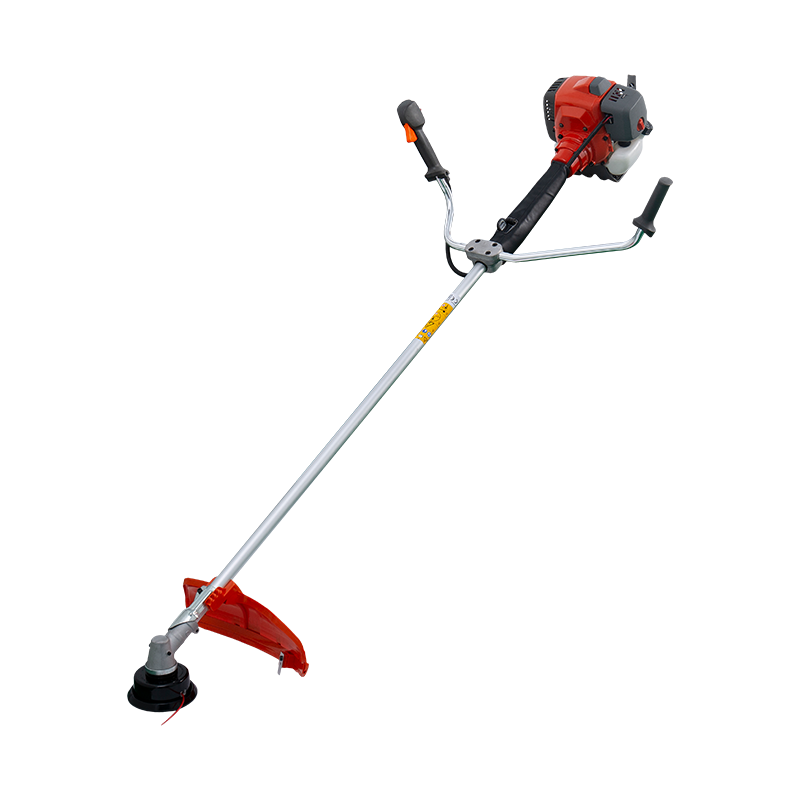
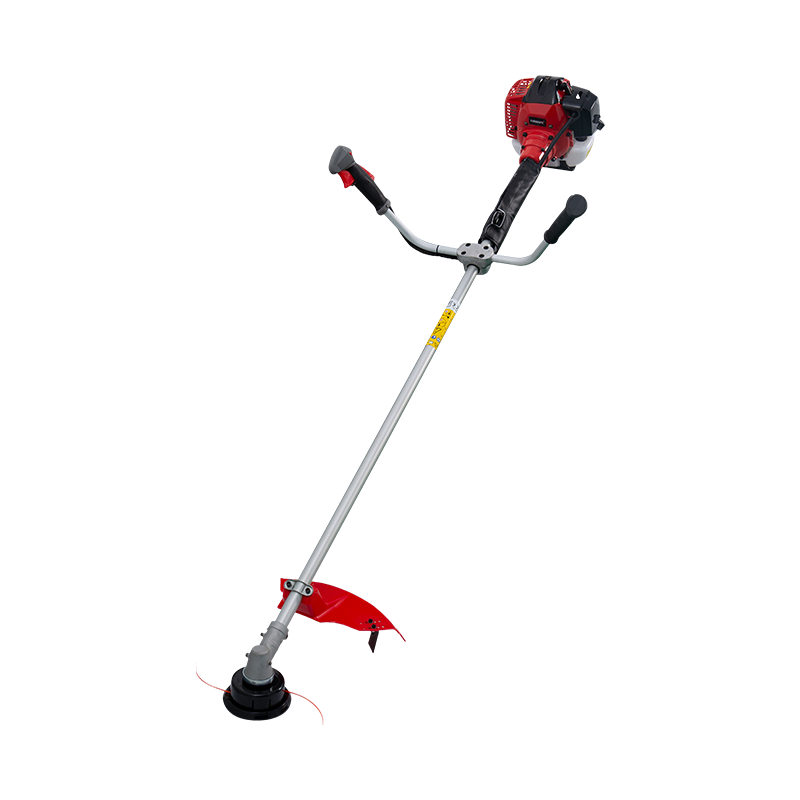
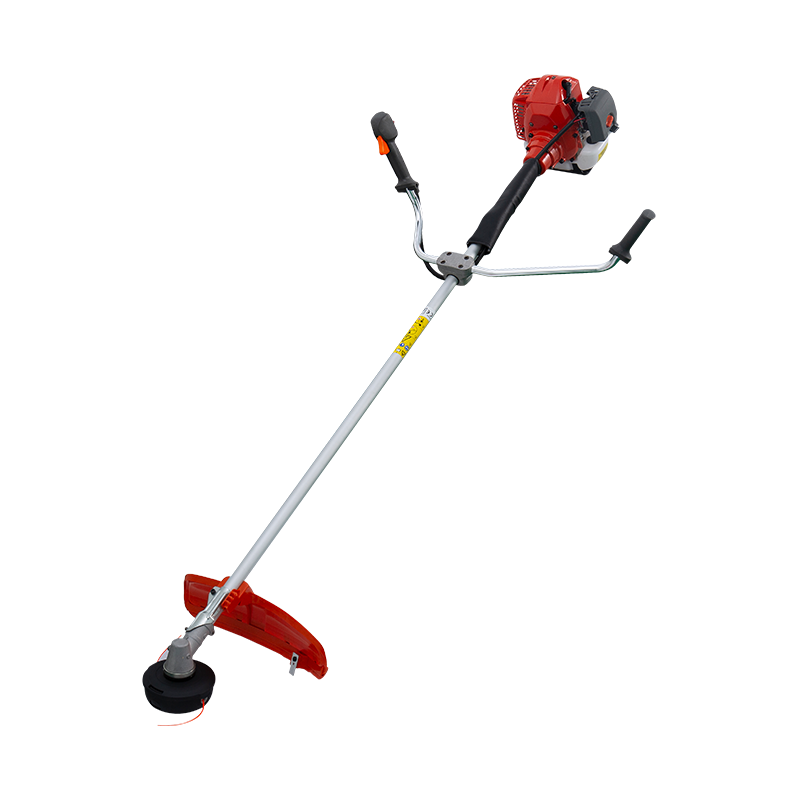
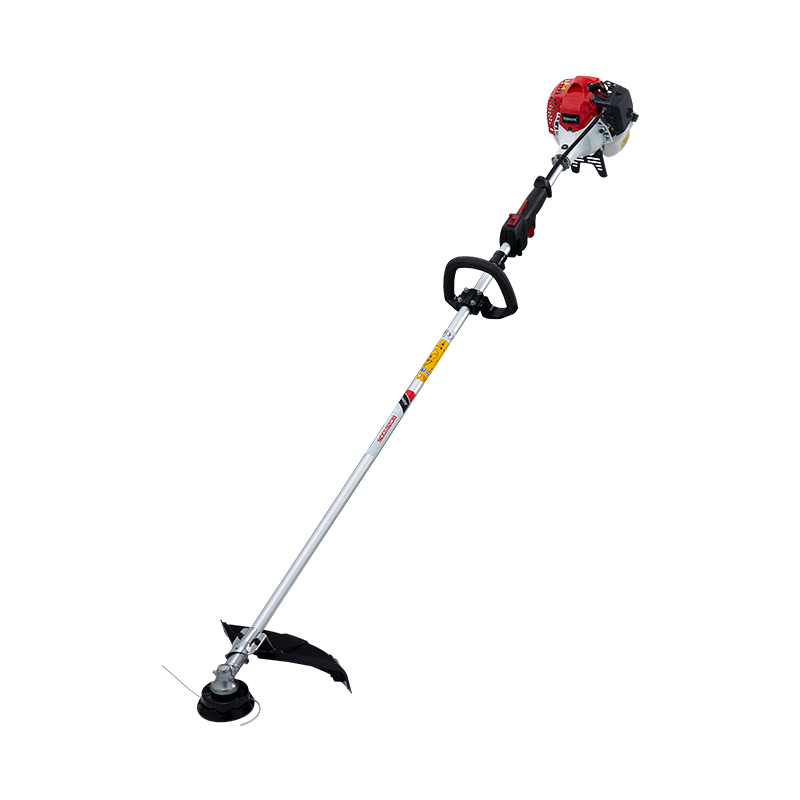
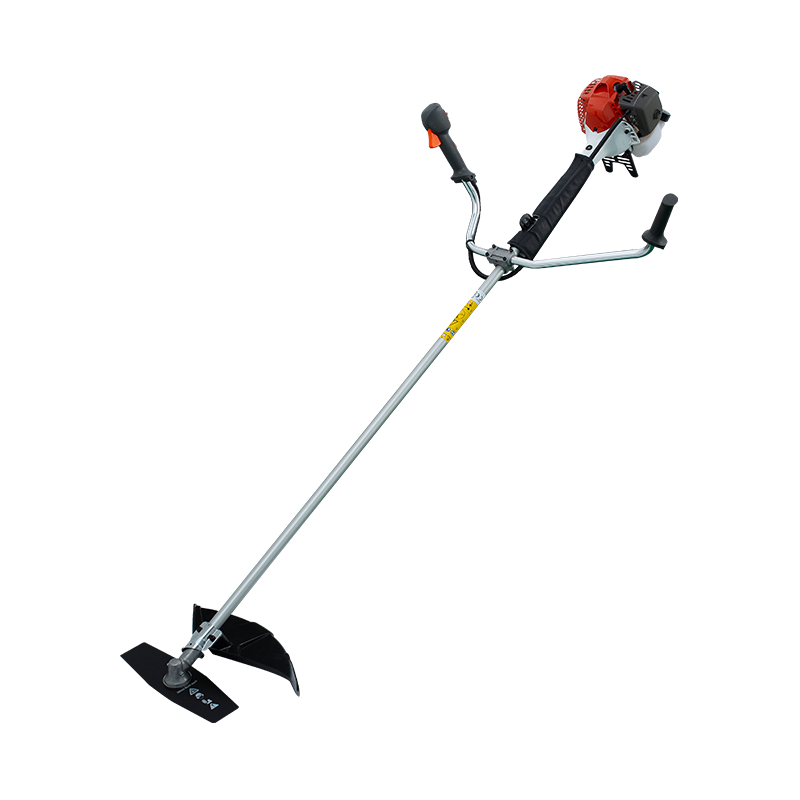
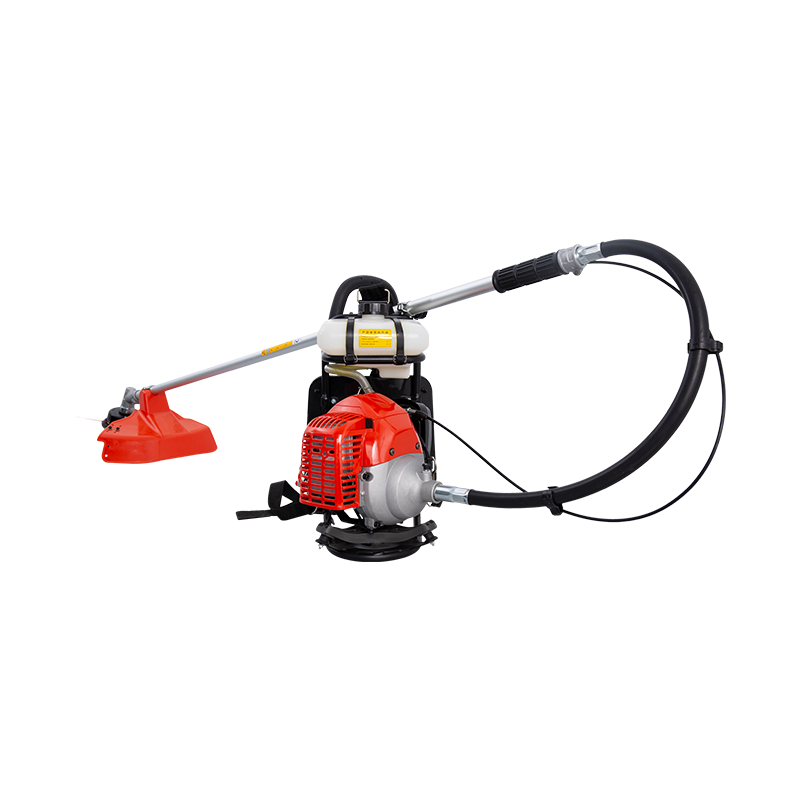
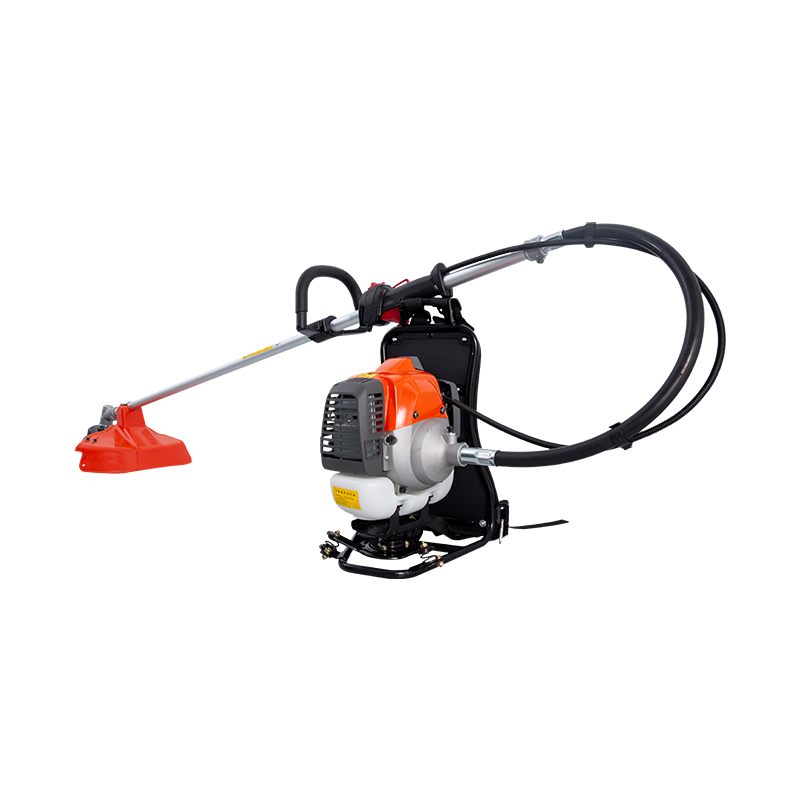
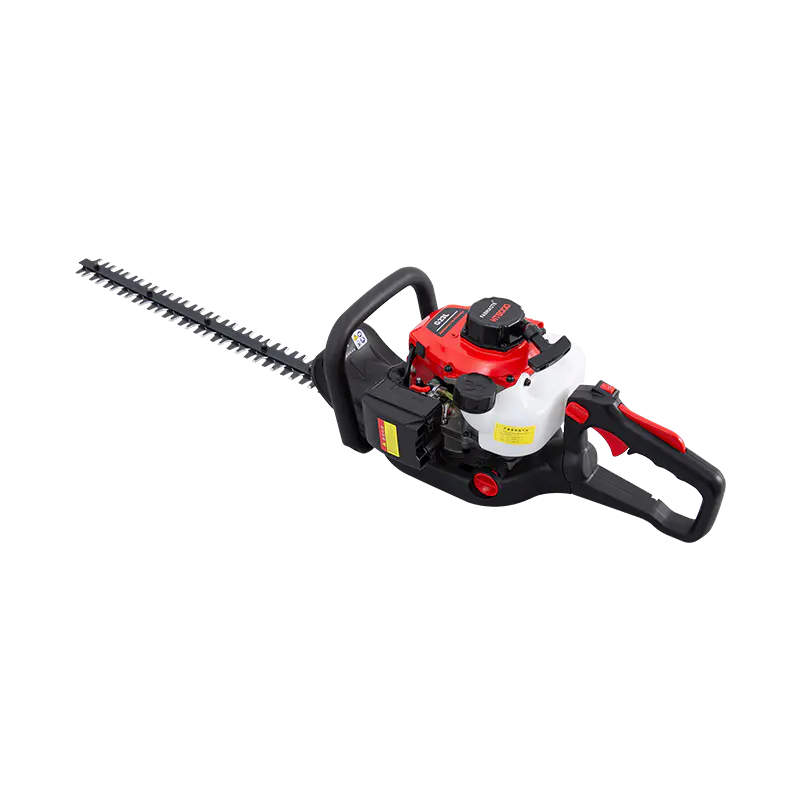
For small‑scale operations, mechanization is essential to remain competitive and sustainable. Integrating high‑performance Garden Agricultural Machinery significantly enhances operational workflows, reduces labor costs, and improves reliability. Changzhou Noah Power Machinery Co., Ltd. integrates research and development, production, and sales of garden machinery and small agricultural machinery — offering products such as brush cutters, chain saws, multifunctional tools, hedge trimmers, pole saws, and blowers designed to meet the rigorous demands of compact farms.
This guide deep dives into the practical implementation, maintenance, economic analysis, safety compliance, and actionable strategies with a focus on five long‑tail search phrases: garden agricultural machinery for small farms, garden agricultural machinery maintenance tips, garden agricultural machinery cost analysis for small farms, garden agricultural machinery safety standards, and garden agricultural machinery setup guide.
1. Operational Efficiency with garden agricultural machinery for small farms
Small farms often face constraints such as limited labor availability, narrow effective work windows, and tight operating budgets. Equipping operations with purpose‑built garden agricultural machinery for small farms enables measurable productivity improvements across planting, maintenance, and harvest cycles.
1.1 Field Task Type Comparison
| Task | Traditional Manual Method | Mechanized with Garden Agricultural Machinery |
| Ground Preparation | High labor, slow | Reduced manpower, uniform results |
| Weed Control | Manual hoe/hand tools | Precision cutting & trimming |
| Hedge & Brush Management | Time‑intensive | Faster with pole saws/hedge trimmers |
| Stone & Debris Clearing | Manual clearing | Efficient with powered cutters |
By systematically replacing manual tasks with optimized machinery operations, small farms can reallocate labor to strategic decision‑making and value‑added activities, thereby increasing yield and throughput.
2. Comprehensive Maintenance Framework: garden agricultural machinery maintenance tips
Sustainable machine uptime depends on structured maintenance. Follow these essential garden agricultural machinery maintenance tips to maximize equipment lifespan and reduce unplanned downtime:
- Routine Inspection: Examine belts, blades, and filters based on usage hours.
- Cleaning Protocols: Remove debris, soil, and moisture to prevent corrosion.
- Scheduled Lubrication: Use manufacturer‑specified lubricants for moving parts.
- Fuel & Power System Maintenance: Drain stale fuel and check spark plug integrity.
- Operator Logs: Track engine hours, part replacements, and scheduled checks.
Emerging predictive maintenance solutions, including sensor‑based alert systems, can further extend machine life by anticipating failures before they occur — reducing repair costs and increasing equipment reliability.
3. Economics of Mechanization: garden agricultural machinery cost analysis for small farms
Decision frameworks for capital expenditure on garden agricultural machinery cost analysis for small farms should consider total cost of ownership (TCO). This incorporates purchase cost, fuel/energy consumption, maintenance, downtime, depreciation, and productivity benefits.
3.1 TCO Breakdown Comparison
| Cost Element | Manual‑Only Workflow | Mechanized Workflow |
| Acquisition Cost | Low | Medium |
| Operating Cost | High (labor hours) | Moderate (fuel/maintenance) |
| Maintenance Cost | Low (ad hoc) | Moderate (scheduled) |
| Output Delivered | Lower | Higher |
| Overall ROI | Low | High over 3–5 years |
Based on industry projections, the global agricultural machinery market is expected to grow with rising mechanization trends due to labor shortfalls and sustainability drivers. In 2025, global agricultural machinery market demand approached approximately USD 160 billion, with mechanization adoption increasing year‑on‑year. :contentReference[oaicite:0]{index=0}
Source: Market Growth Reports – Agricultural Machinery Market Size & Growth
4. Safety, Compliance & Operational Integrity: garden agricultural machinery safety standards
Adherence to recognized safety practices enhances operator safety and reduces liability. Core garden agricultural machinery safety standards include:
- Personal Protective Equipment (PPE) guidelines
- Engine and blade guarding practices
- Emergency stop and fail‑safe mechanisms
- Operator training and certification programs
Organizations such as the International Labour Organization (ILO) and ISO define mechanical safety and operational guidelines that reduce incidents. Structured safety programs have been shown to reduce workplace machine accidents significantly when implemented appropriately.
Source: International Labour Organization – Agricultural Safety Frameworks
5. Step‑by‑Step Implementation: garden agricultural machinery setup guide
Deploying equipment with a proven garden agricultural machinery setup guide ensures smooth operation and optimizes performance:
- Site Assessment & Layout: Map terrains and access points to minimize non‑productive movements.
- Calibration & Tuning: Adjust blades, cutting widths, and implement mounts before use.
- Operator Training: Conduct formal training sessions on machinery safely and efficiently.
- Documentation Protocols: Maintain checklists for pre‑start, operation, and shutdown tasks.
5.1 Equipment Spec Table for Typical Farm Tasks
| Machine Type | Recommended Power | Use Case | Key Benefit |
| Brush Cutter | 1.0–2.0 kW | Brush/undergrowth clearing | High cut throughput |
| Hedge Trimmer | 0.7–1.2 kW | Hedge maintenance | Precision trimming |
| Pole Saw | 0.8–1.5 kW | High branch cutting | Reach & safety |
| Multifunction Tool | 1.5–3.0 kW | Multiple implement tasks | Versatility |
6. Emerging Technology Trends in Small Farm Mechanization
Looking toward 2026, agricultural equipment is increasingly integrated into data‑driven systems — combining AI, GPS, and IoT connectivity to optimize operations, reduce waste, and automate routine tasks. Automated field systems are projected to enhance operational efficiency by as much as 40 % by improving route planning and reducing human error. :contentReference[oaicite:1]{index=1}
Source: Farmonaut – Smart Trends in Agricultural Equipment
FAQ
1. What defines suitable Garden Agricultural Machinery for small farms?
Machines should balance power, compact footprint, multifunction capability, ease of maintenance, and compatibility with local terrain and crop types.
2. How often should I follow garden agricultural machinery maintenance tips?
Perform pre‑operation checks daily during peak seasons and detailed preventive maintenance at regular intervals based on machine hours (typically every 50–100 hours).
3. Can a garden agricultural machinery cost analysis for small farms justify mechanization?
Yes. A comprehensive analysis factoring productivity gains and reduced labor costs often shows payback within 3–5 years for most small farm configurations.
4. What are essential garden agricultural machinery safety standards to enforce?
Enforce PPE, guard shields, emergency stops, and formalized operator training tailored to each machine’s risk profile.
5. What should a garden agricultural machinery setup guide include?
It should cover pre‑start checklists, calibration steps, operator instruction, terrain assessment, and documentation protocols for safe, efficient use.