English
 Español
Content
- 1 Understanding Gas Brush Cutters: Power and Application
- 2 Choosing the Right Gas Brush Cutter: A Detailed Comparison
- 3 Cutting Attachments: Matching the Tool to the Task
- 4 Safe and Efficient Operation: A Step-by-Step Guide
- 5 Essential Maintenance for Longevity
- 6 Why Choose a Professional-Grade Gas Brush Cutter?
- 7 Frequently Asked Questions (FAQ)
- 7.1 1. What is the difference between a gas brush cutter and a string trimmer?
- 7.2 2. What fuel mixture should I use for my 2-stroke gas brush cutter?
- 7.3 3. How often should I sharpen the metal blades on my brush cutter?
- 7.4 4. Can I use a brush cutter to clear rocky terrain?
- 7.5 5. How should I store my gas brush cutter for the winter or off-season?
- 8
- 9 References
Maintaining a pristine property often involves tackling overgrown grass, weeds, and light brush that lawnmowers can't handle. This is where a powerful and reliable tool becomes essential. A gas brush cutter stands out as the go-to solution for demanding outdoor clearing tasks, offering unmatched power and mobility. This comprehensive guide delves into everything you need to know about gas brush cutters, empowering you to choose the right tool, operate it safely and efficiently, and keep it running for years. We'll explore key considerations, different cutter heads, and best practices, all from an industry perspective dedicated to quality and innovation. As an emerging factory integrating R&D, production, and sales, Changzhou Noah Power Machinery Co., Ltd. adheres to the principle of "quality first, customer first," continuously striving to provide high-quality garden machinery that meets diverse customer needs.
Understanding Gas Brush Cutters: Power and Application
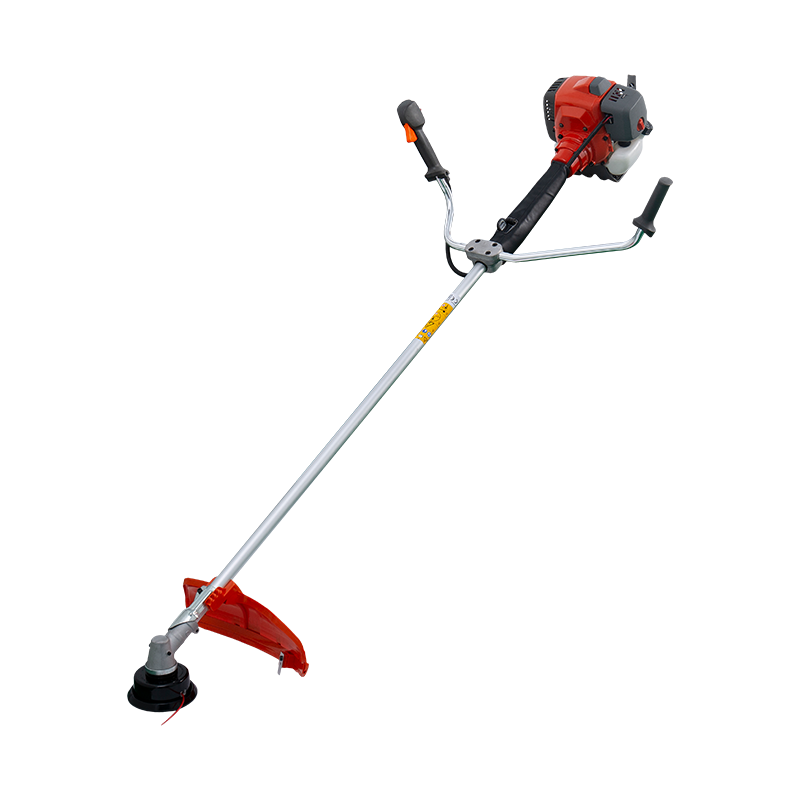
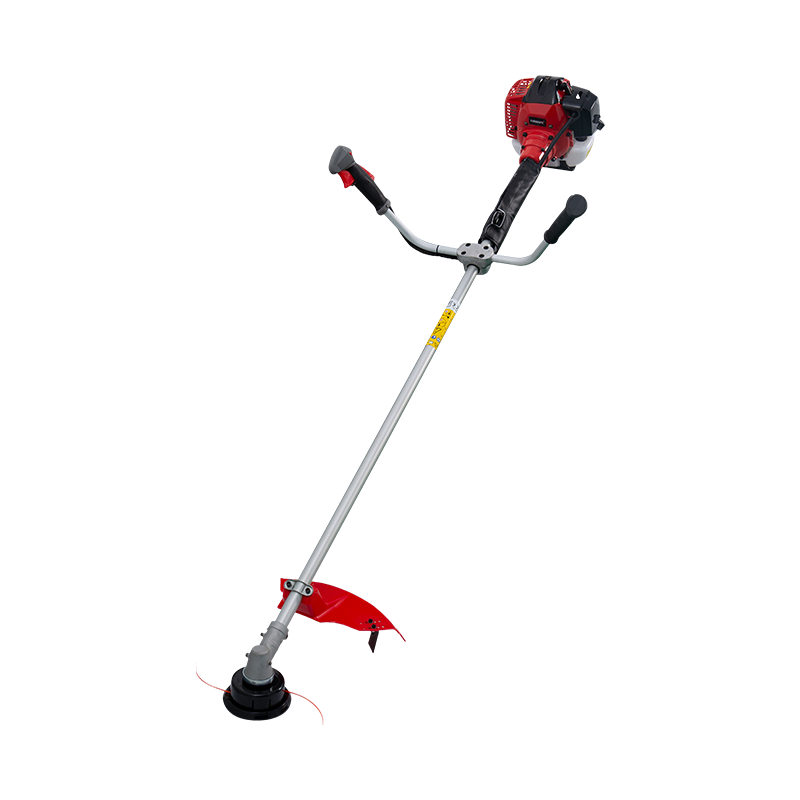
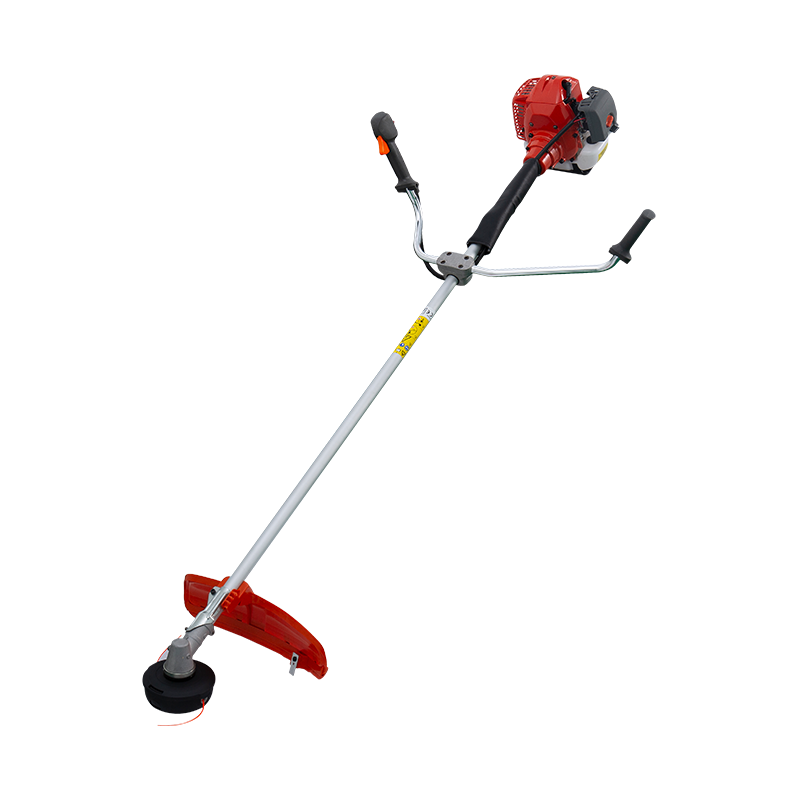
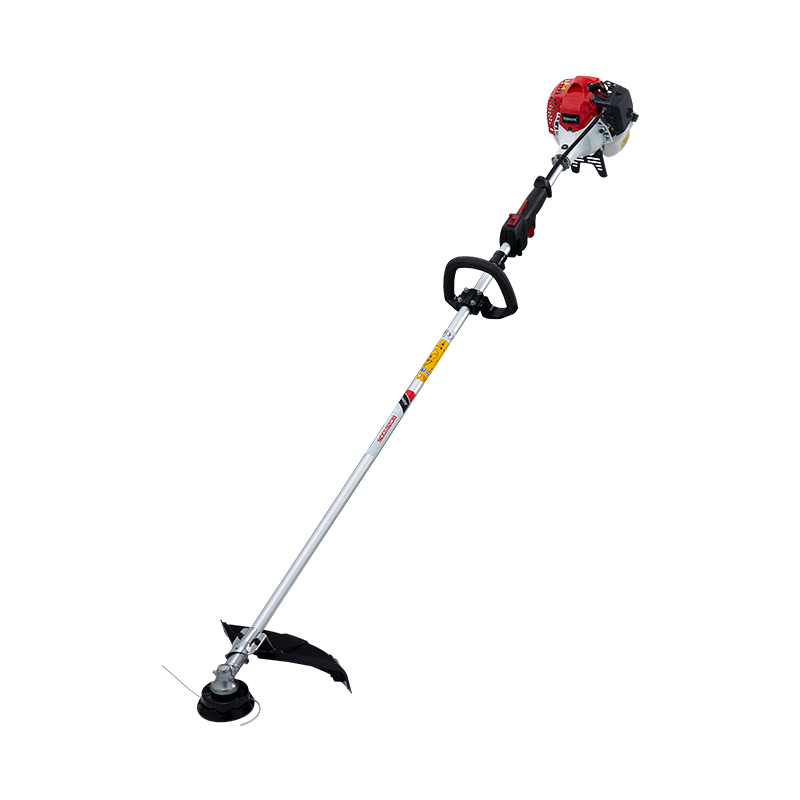
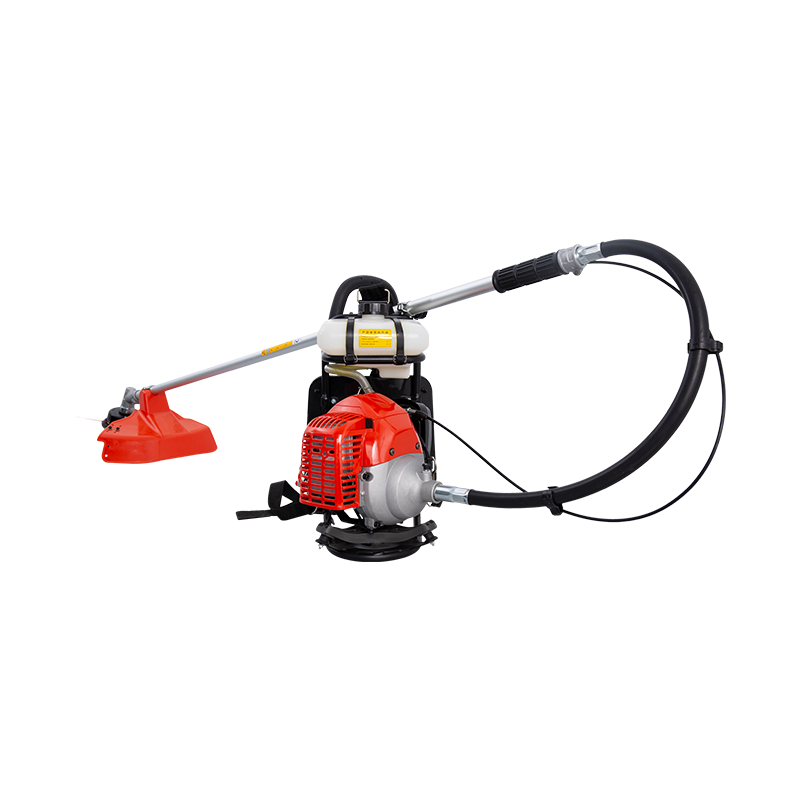
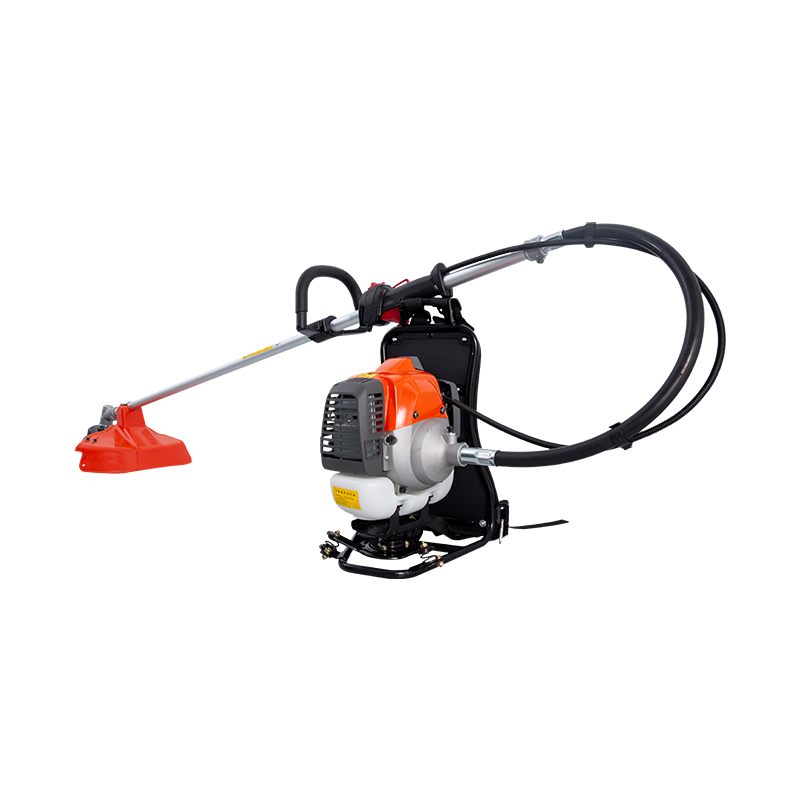
Gas brush cutters, also known as brushcutters or clearing saws, are versatile power tools designed for cutting dense vegetation. Unlike electric models, they are powered by a two-stroke or four-stroke gasoline engine, providing the high torque and runtime necessary for extensive land management without the constraint of a power cord.
Primary Applications
- Clearing overgrown fields and meadows.
- Maintaining fence lines and property borders.
- Trimming in uneven or rocky terrain unsuitable for mowers.
- Removing saplings, thick weeds, and light underbrush.
- General landscaping and trail maintenance.
Choosing the Right Gas Brush Cutter: A Detailed Comparison
Selecting the ideal brush cutter depends on your specific needs, the terrain, and the vegetation type. Key factors include engine power, shaft type, and handle design. The following comparison provides a clear overview to guide your decision. For instance, understanding the difference between a gas brush cutter for tall grass and weeds and one designed for heavier duty is crucial.
Key Selection Factors
Engine Power (CC)
- Light-Duty (22-28cc): Ideal for routine yard work, cutting soft grass, and thin weeds.
- Medium-Duty (30-34cc): A versatile choice for mixed vegetation, including thicker weeds and light brush.
- Heavy-Duty (36cc+): Necessary for professional use, clearing dense brush, and cutting small saplings.
Shaft Type
- Straight Shaft: Better for heavy-duty work and uneven ground; allows for use of different cutting attachments.
- Curved Shaft: More comfortable for light-to-medium work on flat terrain, typically used with a nylon line head.
The table below summarizes the main configurations:
| Feature | Light-Duty Cutter | Medium-Duty Cutter | Heavy-Duty Cutter |
| Best For | Lawn edges, soft weeds | Mixed weeds, light brush | Dense brush, saplings, professional use |
| Engine Size | 22-28cc | 30-34cc | 36cc and above |
| Primarily nylon line | Nylon line, plastic blades | Metal blades, brush knives | |
| Typical Shaft | Curved | Straight or Curved | Straight |
Cutting Attachments: Matching the Tool to the Task
The cutting head is what defines the cutter's capability. Choosing the correct attachment is vital for efficiency and safety. For example, the best brush cutter blade for thick brush is vastly different from a head used for trimming.
Types of Cutting Heads
Nylon Line Trimmer Heads
- Perfect for trimming grass around obstacles.
- Safe near walls and fences.
- Less effective on thick, woody plants.
Plastic Blades
- Good for thick weeds and light brush.
- More durable than nylon line but less aggressive than metal.
Steel Blades and Brush Knives
- Essential for heavy-duty clearing. A multi-tooth circular steel blade or a brush knife is considered the best brush cutter blade for thick brush and small trees.
- Types include circular saw blades, multi-tooth blades, and chisel-tooth brush knives.
When tackling a heavy duty gas brush cutter review, you will consistently find recommendations for robust metal blades, as they are designed for the most challenging tasks [1].
Safe and Efficient Operation: A Step-by-Step Guide
Operating a gas brush cutter requires careful attention to safety and technique. Proper operation not only prevents injury but also extends the life of your equipment.
Pre-Operation Checklist
- Personal Protective Equipment (PPE): Always wear safety glasses, hearing protection, sturdy gloves, long pants, and steel-toe boots.
- Inspect the Equipment: Check for loose parts, fuel leaks, and ensure the cutting attachment is secure and undamaged.
- Clear the Area: Remove rocks, debris, and any obstacles from the work zone.
Operating Techniques
Basic Swing Pattern
- Use a smooth, controlled swinging motion from right to left (for right-handed operators).
- Let the tool do the work; avoid forcing it.
- Keep the cutting head parallel to the ground.
Cutting Different Vegetation
- For Tall Grass: Use a flat sweeping motion. A gas brush cutter for tall grass and weeds performs best with a wide, level arc.
- For Thick Brush: Use a slower, deliberate swing and tackle thicker stems from multiple angles if needed.
Questions like how to operate a gas powered brush cutter safely are fundamental, and the answer always starts with comprehensive PPE and a thorough understanding of the tool's power and reaction forces [2].
Essential Maintenance for Longevity
Regular maintenance is the key to reliable performance and a long service life for your gas brush cutter. A well-maintained tool is also a safer tool.
Daily/Pre-Use Maintenance
- Check air filter cleanliness.
- Inspect the spark plug.
- Verify all bolts and nuts are tight.
Periodic Maintenance
- Fuel System: Use fresh, properly mixed fuel (for 2-stroke engines) and consider adding a fuel stabilizer for storage.
- Gearbox: Lubricate the gearbox shaft regularly as per the manual.
- Cutting Attachments: Sharpen metal blades regularly and replace worn nylon line or damaged heads.
Understanding gas brush cutter maintenance tips and tricks can prevent common issues. For instance, properly cleaning the cooling fins can prevent engine overheating, a common cause of performance loss [3].
Why Choose a Professional-Grade Gas Brush Cutter?
For users with frequent or demanding needs, investing in a professional-grade tool from a dedicated manufacturer offers significant advantages. These units are built for durability, extended runtime, and consistent power under load.
Benefits of Industrial Design
- Enhanced Durability: Robust components withstand harsh conditions and prolonged use.
- Superior Power-to-Weight Ratio: More efficient engines provide maximum power without excessive weight.
- Ergonomic Features: Anti-vibration systems, adjustable handles, and balanced design reduce operator fatigue.
- Serviceability: Designed for easy maintenance and repair, minimizing downtime.
Companies focused on innovation, like Changzhou Noah Power Machinery Co., Ltd., prioritize these aspects by adhering to a "quality first" principle, enhancing innovation capabilities, and establishing professional customizable services to meet precise customer requirements for long-term cooperation.
Frequently Asked Questions (FAQ)
1. What is the difference between a gas brush cutter and a string trimmer?
A gas brush cutter is generally more powerful, has a straight or curved solid shaft, and can use metal blades for cutting thick brush and small trees. A string trimmer (or weed eater) is typically less powerful, often has a curved shaft, and is designed primarily for cutting grass and weeds with a rotating nylon line.
2. What fuel mixture should I use for my 2-stroke gas brush cutter?
Most modern 2-stroke engines require a gasoline-to-oil mix at a specific ratio, commonly 50:1 or 40:1. Always consult your owner's manual for the exact ratio. Using the wrong mixture can cause severe engine damage. Use fresh, unleaded gasoline and high-quality 2-stroke engine oil.
3. How often should I sharpen the metal blades on my brush cutter?
Sharpen the blades whenever you notice a decrease in cutting efficiency, the tool is producing fine dust instead of chips, or the blade edges appear rounded or nicked. For heavy use, this might be every few hours of operation. A sharp blade cuts cleaner, reduces vibration, and puts less strain on the engine.
4. Can I use a brush cutter to clear rocky terrain?
Extreme caution is required. While brush cutters are good for uneven ground, rocks can damage metal blades, cause the cutter to kick back violently, or propel debris at high speed. A nylon line head is safer in rocky areas, but the best practice is to clear large rocks manually before cutting.
5. How should I store my gas brush cutter for the winter or off-season?
For long-term storage, run the engine dry of fuel or add a fuel stabilizer to a full tank to prevent varnish buildup. Clean the entire unit thoroughly, remove the spark plug, add a few drops of oil into the cylinder, and pull the starter cord slowly to coat the interior. Store the tool in a clean, dry place.
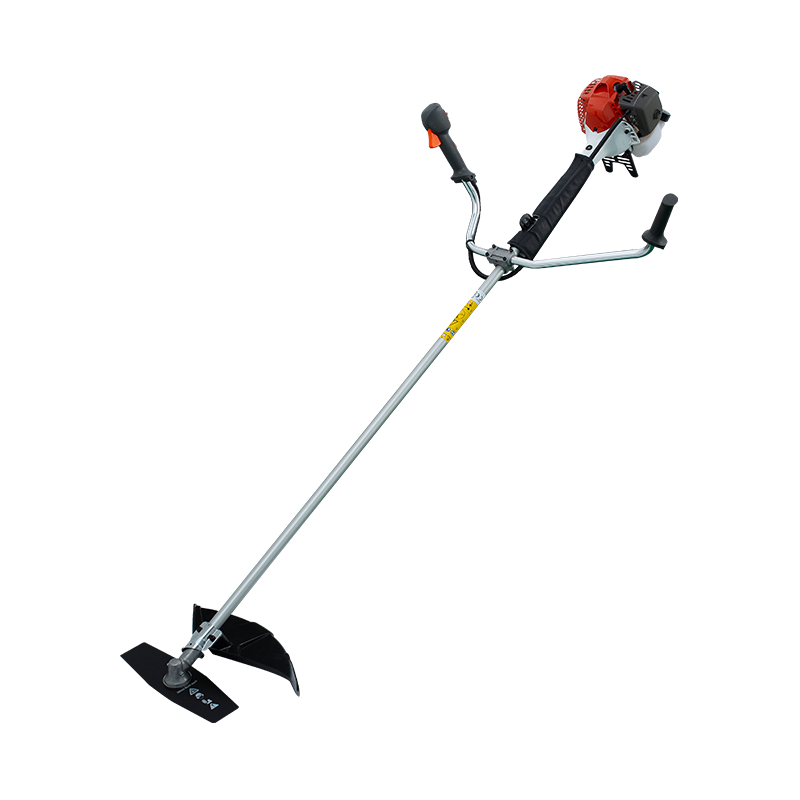
A gas brush cutter is an indispensable tool for effective land management. By understanding the different types, such as those suited as a gas brush cutter for tall grass and weeds versus a heavy duty model, selecting the appropriate cutting attachment like the best brush cutter blade for thick brush, and following safe how to operate a gas powered brush cutter procedures complemented by regular gas brush cutter maintenance tips and tricks, you can tackle any clearing task with confidence. Investing in a quality machine from a manufacturer committed to research, development, and customer-centric service ensures reliability and value for years to come.
References
[1] Outdoor Power Equipment Institute. (2022). *Performance Standards for Rotary Brush Cutters*. OPEI Technical Committee. (Illustrates the linkage between heavy-duty design specifications and recommended cutting attachments).
[2] National Institute for Occupational Safety and Health (NIOSH). (2021). *Safety and Operational Guidelines for Powered Clearing Saws*. NIOSH Publication No. 2021-145. (Provides foundational safety protocols for operating gas-powered cutting tools).
[3] Landscaping Equipment Maintenance Journal. (2023). "Preventative Maintenance Practices to Avoid Overheating in Small Air-Cooled Engines," Vol. 12, Issue 3. (Details maintenance procedures critical for sustained brush cutter performance).