English
 Español
Content
- 1 1. Power Source and Engine Performance: The Heart of Your Machinery
- 2 2. Versatility and Implement Compatibility: Maximizing Your Investment
- 3 3. Durability, Build Quality, and Ease of Maintenance
- 4 4. Ergonomics, Safety, and Operator Controls
- 5
- 6 5. Efficiency, Environmental Impact, and Technology Integration
- 7 FAQ
- 7.1 What is the most versatile piece of garden agricultural machinery for a 2-acre hobby farm?
- 7.2 How can I make my existing garden tiller last longer with affordable maintenance?
- 7.3 Are electric riding mowers truly efficient and powerful enough for hilly terrain?
- 7.4 What safety features are non-negotiable when buying a used garden tractor?
- 7.5 What are the key differences between a garden tractor and a compact utility tractor?
Choosing the right equipment for your land is a crucial investment. The term garden agricultural machinery encompasses a wide range of tools designed to transform labor-intensive tasks into efficient, manageable operations. Whether you're maintaining a large kitchen garden, a small orchard, or a hobby farm, the correct machinery can dramatically improve productivity, soil health, and the overall enjoyment of your work. This guide delves deep into the essential features you should prioritize, helping you make an informed decision that balances power, precision, and practicality. By focusing on key engineering and ergonomic principles, we move beyond basic specifications to understand how these features interact with real-world gardening challenges.
The market is saturated with options, making it easy to feel overwhelmed. A strategic approach involves aligning machinery capabilities with your specific terrain, crop types, and scale of operation. This article is structured to systematically explore the critical aspects—from power source and engine durability to implement compatibility and operator safety. We will integrate insights around specific, high-value queries such as best compact tractors for small farms, affordable garden tiller maintenance tips, and electric vs petrol lawn mower efficiency to provide concrete, actionable advice. Understanding these features in detail ensures your investment not only meets immediate needs but also remains a reliable asset for years to come.
1. Power Source and Engine Performance: The Heart of Your Machinery
The choice of power source fundamentally defines the capability, environmental impact, and operating cost of your garden agricultural machinery. Internal combustion engines (petrol and diesel) have traditionally dominated, offering high torque and extended runtimes for heavy-duty tasks like deep tilling or clearing overgrown land. However, the rise of battery-electric technology presents a compelling alternative for mid-range power needs, characterized by significantly lower noise, zero direct emissions, and reduced long-term maintenance. For stationary or low-power applications, manual and corded-electric options remain viable. The decision matrix should weigh your available acreage, access to power outlets, fuel storage, and sensitivity to noise regulations in residential areas.
Beyond the type, engine performance metrics are critical. For combustion engines, displacement (cc) is a rough indicator of power, but more important are the horsepower (HP) and torque ratings. High torque is essential for implements that encounter resistance, such as a rotary plough. For electric motors, look at voltage (V) and ampere-hour (Ah) ratings; a higher voltage typically means more power, while a higher Ah indicates longer battery life. Durability is often reflected in the construction of the engine block, the quality of bearings, and the presence of features like overhead valve (OHV) design, which promotes efficiency and longer life. Regular maintenance, as hinted in searches for affordable garden tiller maintenance tips, is far easier on a well-designed engine with accessible oil filters and air cleaners.
- Torque over Horsepower: For ground-engagement tools, sufficient torque at low RPMs is more valuable than peak horsepower.
- Fuel Efficiency: Consider engines with eco-modes or variable speed governors to reduce fuel consumption during lighter tasks.
- Cold Start Reliability: Look for features like decompression valves or strong battery starters, crucial for machinery stored in sheds over winter.
- Battery Ecosystem: If opting for electric, check if the brand uses a shared battery platform across different tools for cost and convenience.
- Noise and Vibration Dampening: Well-balanced engines with proper mounts reduce operator fatigue and community disturbance.
| Power Source | Best For | Key Performance Consideration |
| Petrol/Diesel Engine | Heavy-duty tilling, large-area mowing, prolonged use. | Torque curve, cooling system capacity, service interval length. |
| Battery-Electric Motor | Residential lawns, small to medium gardens, noise-sensitive areas. | Voltage & Amp-hour rating, charger speed, battery lifecycle. |
| Manual/Corded Electric | Very small plots, light weeding, trimming, and precision tasks. | Cable management (for corded), gear ratio & ergonomics (for manual). |
2. Versatility and Implement Compatibility: Maximizing Your Investment
A single power unit that can drive multiple attachments is the cornerstone of efficient small-scale agriculture. This versatility turns a basic machine into a multi-tasking workhorse, addressing diverse seasonal needs from soil preparation to harvest. The central component enabling this is the attachment system. For smaller equipment, this may be a simple pinned hitch or a sleeve for connecting shaft-driven tools. For larger units like the best compact tractors for small farms, the gold standard is a three-point hitch with a Power Take-Off (PTO) shaft. This system allows for the rapid swapping of complex implements like flail mowers, post hole diggers, or front-end loaders, transforming the tractor's function in minutes.
When evaluating compatibility, you must consider both mechanical and hydraulic interfaces. The horsepower of your machine must be adequate to safely and effectively power the intended implement; an underpowered unit will strain and wear quickly. Check the PTO speed (typically 540 RPM for smaller tractors) and the hitch category (e.g., Category 1). Furthermore, the availability and cost of third-party implements are a practical concern. A machine with a proprietary attachment system may lock you into expensive, limited options. This search for versatile, compatible systems often leads gardeners to research terms like versatile garden tractor attachments guide to understand the full potential of their base unit before purchase.
- Quick-Attach Systems: Look for patents or systems that allow tool-free attachment changes to save time and labor.
- Hydraulic Remotes: Auxiliary hydraulic ports allow you to operate implements with hydraulic motors, like log splitters or certain mowers.
- Shaft Compatibility: For driven tools, ensure the PTO shaft length and shield are correct for your tractor-implement combo to ensure safety.
- Lift Capacity: The hydraulic system's lift capacity at the hitch points determines how heavy an implement you can safely raise and transport.
- Future-Proofing: Consider if the machine's design can accommodate potential future needs, like adding a cab or more hydraulic controls.
3. Durability, Build Quality, and Ease of Maintenance
Durability in garden agricultural machinery is not merely about withstanding brute force; it's about engineered resilience against constant vibration, abrasion from soil and plant matter, and exposure to the elements. Superior build quality starts with the materials: chassis constructed from heavy-gauge steel, axles made from forged (not cast) metal, and bearings that are sealed against dust and moisture. The quality of welding and the corrosion protection (e.g., powder coating versus simple paint) are telltale signs of a manufacturer's commitment to longevity. This is especially critical for equipment like tillers and brush cutters, where blades and tines are in direct, aggressive contact with the ground.
Ease of maintenance is the partner to durability. A well-built machine that is impossible to service will have a shortened operational life. Design elements that facilitate affordable garden tiller maintenance tips include easily accessible grease points (zerk fittings), tool-less air filter and oil dipstick access, and clear, logical routing for belts and cables. User-serviceable parts like blades and belts should be standard sizes available from multiple suppliers. The owner's manual should provide clear schematics and maintenance schedules. Investing time in routine maintenance—checking fluid levels, cleaning radiators and air filters, and storing equipment properly—is the most effective strategy for preventing costly breakdowns and is a common theme in user searches for machinery longevity.
- Component Accessibility: Can you reach the spark plug, oil drain, and air filter without disassembling half the machine?
- Standardized Parts: Avoid proprietary fasteners or odd-sized tires that are expensive and hard to replace locally.
- Protection Systems: Look for features like debris guards for cooling fins, skid plates for mower decks, and reinforced pivot points.
- Warranty and Support: A generous warranty period and the availability of detailed repair manuals or online support communities are invaluable.
- Storage Considerations: Design features like foldable handles or removable components aid in proper, space-efficient storage, which prolongs life.
| Component | High-Quality Indicator | Maintenance Checkpoint |
| Chassis & Frame | Continuous welds, reinforced stress points, thick gauge steel. | Annual inspection for cracks or rust; touch up paint/chips immediately. |
| Cutting/ Tilling Blades | Heat-treated, hardened steel, often with replaceable edges or tips. | Sharpen regularly; balance after sharpening; check for straightness. |
| Drive System (Belts/Chains) | Enclosed or shielded to prevent debris ingress; easy tension adjustment. | Check tension and wear per manual; keep spare belts for critical functions. |
| Bearings & Seals | Double-lipped seals, permanently lubricated or with grease fittings. | Listen for grinding noise; re-grease as scheduled; replace seals if leaking. |
4. Ergonomics, Safety, and Operator Controls
The interface between the human operator and the machine is a critical yet often overlooked feature. Good ergonomics reduce fatigue, increase precision, and enhance safety, allowing for longer, more productive work sessions. This encompasses everything from the padding and angle of a seat on a compact tractor to the vibration-dampening handles on a walk-behind tiller. Controls should be intuitively placed, clearly labeled, and require minimal effort to operate. For instance, hydrostatic transmission, often found on better riding mowers for hilly terrain, allows for smooth, single-pedal speed and direction control, which is far less taxing than manual gear shifting, especially on slopes.
Safety is non-negotiable. Modern garden agricultural machinery should incorporate multiple passive and active safety features. These include automatic blade shut-off when the operator leaves the seat (on riding mowers), deadman switches on hand-held equipment, and robust roll-over protection structures (ROPS) for tractors. Protective guarding around all moving parts, especially PTO shafts, is essential. Ergonomics and safety converge in visibility; a clear line of sight to the implement edges and any potential obstacles is crucial. Understanding these features is vital, as searches for noise reduction features in outdoor power equipment and safe operation guides indicate growing user awareness of long-term operator well-being.
- Adjustable Operator Platform: Seats with suspension, adjustable steering columns, and swivel seats improve comfort and control.
- Intuitive Control Layout: Frequently used levers (e.g., for hydraulics or PTO engagement) should fall readily to hand without requiring awkward reaching.
- Vibration and Noise Metrics: Check reported vibration levels (m/s²) and noise decibels (dB); lower is better for preventing long-term strain.
- Lighting and Mirrors: For early morning or late evening work, adequate headlights and optional rear-view mirrors are important safety additions.
- Emergency Protocols: Familiarize yourself with all safety cut-off switches and practice emergency shutdowns before beginning work.
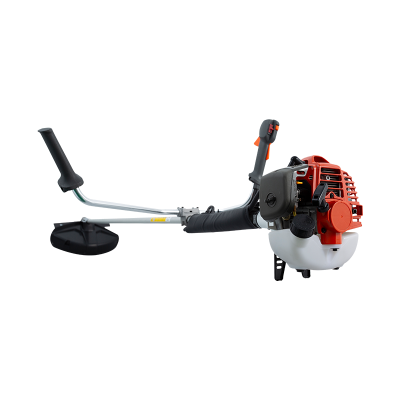
5. Efficiency, Environmental Impact, and Technology Integration
Modern garden agricultural machinery is increasingly evaluated through the lenses of efficiency and environmental stewardship. Efficiency translates directly to lower operating costs, whether it's fuel consumed per acre mowed or battery runtime per charge. This ties into the ongoing debate of electric vs petrol lawn mower efficiency, where electric models typically win in direct energy cost and maintenance but may lag in total runtime for very large areas. Environmental impact extends beyond emissions to include soil compaction (lighter, wider-tired machines compact less), noise pollution, and the potential for fluid leaks (where electric models have a clear advantage).
Technology integration is rapidly changing the landscape. Even at the garden scale, features like battery fuel gauges, LED diagnostic lights, and smartphone connectivity for maintenance reminders are becoming common. More advanced systems may include GPS guidance for consistent row cropping or sensor-driven features that adjust blade speed based on grass thickness. While not essential for every user, these technologies can enhance precision, reduce waste (of seed, fertilizer, or time), and provide valuable data about your land. When considering technology, prioritize features that solve a genuine problem you face, rather than adding unnecessary complexity. The goal is to make the machine a smarter partner in achieving your gardening objectives.
- Precision Farming Lite: Features like cruise control, implement depth control, and rate settings for spreaders improve consistency and outcomes.
- Energy Monitoring: Some electric models offer apps that track energy use per task, helping you optimize charging and usage patterns.
- Emission Standards: For combustion engines, look for EPA or EU Stage V certification, indicating lower harmful emissions.
- Design for Recyclability: Consider the manufacturer's policies on end-of-life recycling for batteries and major components.
- Adaptability to Renewable Energy: Electric machinery can be charged via solar power, creating a potentially closed-loop, sustainable system.
| Feature | Efficiency Benefit | Environmental Benefit |
| Auto-Idle/Stop-Start | Reduces fuel consumption during idle periods (e.g., between passes). | Lowers immediate CO2 and particulate emissions. |
| High-Efficiency Motors | More work output per unit of electrical energy (kWh) or fuel. | Reduces overall energy demand and associated generation footprint. |
| Variable Speed PTO | Allows implement speed to be matched to task, avoiding wasteful over-revving. | Reduces noise and wear, leading to less frequent part replacement. |
| Mulching Kits/Modes | Recycles clippings/nutrients into the soil, reducing need for bagging and fertilizer. | Cuts down on green waste to landfill and chemical runoff. |
FAQ
What is the most versatile piece of garden agricultural machinery for a 2-acre hobby farm?
For a 2-acre mixed-use property involving lawn, garden beds, light grading, and perhaps small-scale hay or pasture management, a sub-compact or best compact tractor for small farms in the 20-30 horsepower range is arguably the most versatile single investment. Its core value lies in the standardized three-point hitch and Power Take-Off (PTO), which allows it to operate dozens of implements. You can start with a mid-mount or rear finishing mower, a front-end loader for moving mulch/soil, and a rotary tiller. Later, you can add a post-hole digger for fencing, a broadcast spreader for seed/fertilizer, and a small trailer. While the upfront cost is higher than specialized machines, its multi-functionality saves space, time, and money in the long run, effectively consolidating the roles of several smaller machines.
How can I make my existing garden tiller last longer with affordable maintenance?
Prolonging the life of your tiller doesn't require expensive overhauls; it hinges on consistent, simple care—the essence of affordable garden tiller maintenance tips. First, and most critical, is proper lubrication: change the engine oil and gearbox oil (if applicable) at the intervals specified in your manual, using the recommended weight and type. Grease all zerks fittings before each major use. Second, keep it clean: after each use, let it cool, then use a putty knife and brush to remove caked-on soil and debris from the tines and underside. This prevents rust and corrosion. Third, store it properly: under a cover in a dry place, with the fuel tank either empty or treated with a stabilizer if you won't use it for a season. Finally, inspect and tighten bolts, check tire pressure, and sharpen or replace worn tines annually. These low-cost habits prevent 90% of common failures.
Are electric riding mowers truly efficient and powerful enough for hilly terrain?
The question of electric vs petrol lawn mower efficiency takes a specific turn when applied to hilly terrain. Modern high-end electric riding mowers have made significant strides. In terms of pure energy efficiency, electric mowers convert over 75% of grid energy to wheel/torque power, while petrol engines are typically below 25%, making electrics far more efficient and cheaper per acre to run. For power, many electric models now feature high-torque, direct-drive motors that provide instant maximum torque, which is excellent for climbing hills without the lag or gear-shifting of a petrol engine. The key factors for hills are battery capacity (look for 60V or higher systems with 10+ Ah), weight distribution (a low-center-of-gravity battery pack aids stability), and traction (all-wheel drive models are emerging). For moderate slopes, a quality electric rider is now a competent and much quieter choice. For very steep, prolonged slopes, stability and braking power remain critical considerations regardless of power source.
What safety features are non-negotiable when buying a used garden tractor?
When purchasing used garden agricultural machinery, especially a garden tractor, you must prioritize safety features that protect the operator. First and foremost, a Roll-Over Protection Structure (ROPS) is non-negotiable. If the tractor doesn't have a factory ROPS or a certified aftermarket one installed, walk away. Second, ensure all original safety shields and guards are present and intact, especially around the PTO stub, mower deck pulley, and belts. Third, test the operator presence system: on a riding mower, the engine and blades should cut off within a few seconds of the operator leaving the seat (ensure the parking brake is on before testing). Fourth, check that all lights (headlights, warning lights) work. Finally, inspect the brakes and steering for excessive play or slippage. A used machine is a great value, but never compromise on these life-saving systems. Always request the operator's manual to understand the specific safety protocols for that model.
What are the key differences between a garden tractor and a compact utility tractor?
This is a crucial distinction for buyers scaling up their operations. A **garden tractor** is primarily designed for heavy-duty lawn care and light landscaping. It's optimized for mowing with a mid-mount mower deck, has a lighter frame, and typically uses a sleeve hitch for simpler ground-engaging tools like a small harrow or aerator. Its transmission, while robust, is not built for constant, heavy draft work. A **compact utility tractor**, often researched as part of finding the best compact tractors for small farms, is a true agricultural machine scaled down. It features a rugged chassis, a Category 1 (or larger) three-point hitch, a live or independent PTO, and a hydraulic system capable of operating rear remotes for implements like log splitters or top-and-tilt kits. It's engineered for prolonged loader work, running a rotary cutter in rough brush, and operating heavier tillage equipment. If your tasks are 70% lawn/garden and 30% light chores, a garden tractor may suffice. If you need serious earth-moving, material handling, or crop production, the compact utility tractor is the necessary, more versatile, and durable tool.