English
 Español
Content
For professionals and serious landowners, tackling dense overgrowth, heavy brush, and stubborn saplings requires power and reliability that only a specific tool can deliver. Enter the gas brush cutter, the workhorse of land management. This comprehensive guide delves deep into everything you need to know about these powerful machines, from understanding their core components to selecting the perfect model and ensuring its longevity. As an emerging factory integrating R&D, production, and sales, Changzhou Noah Power Machinery Co., Ltd. is committed to providing high-quality, innovative garden and agricultural machinery, understanding that informed users make the best decisions for their demanding tasks.
Understanding the Gas Brush Cutter: More Than Just a Trimmer
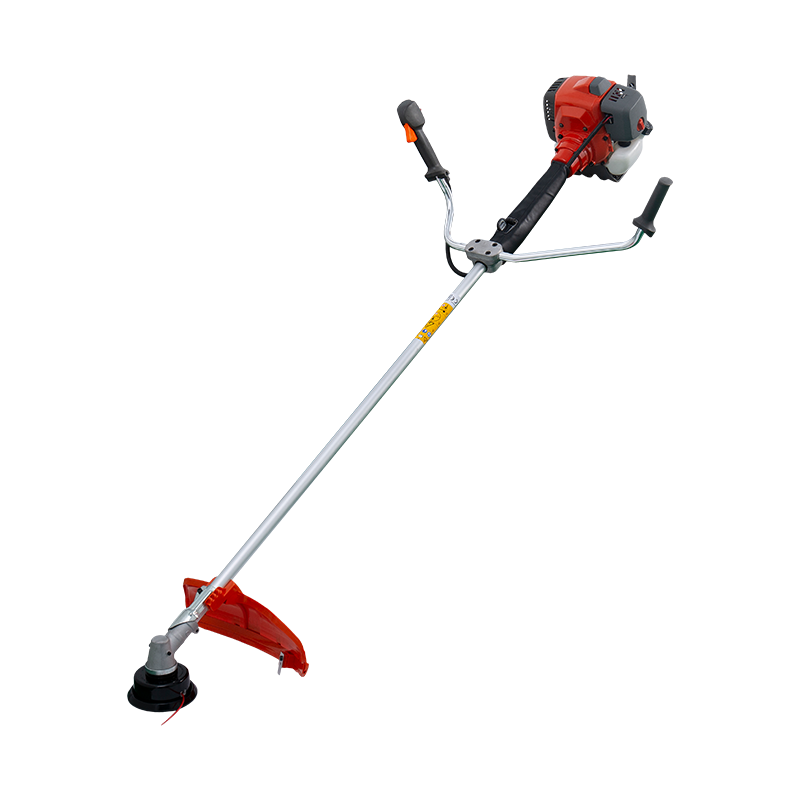
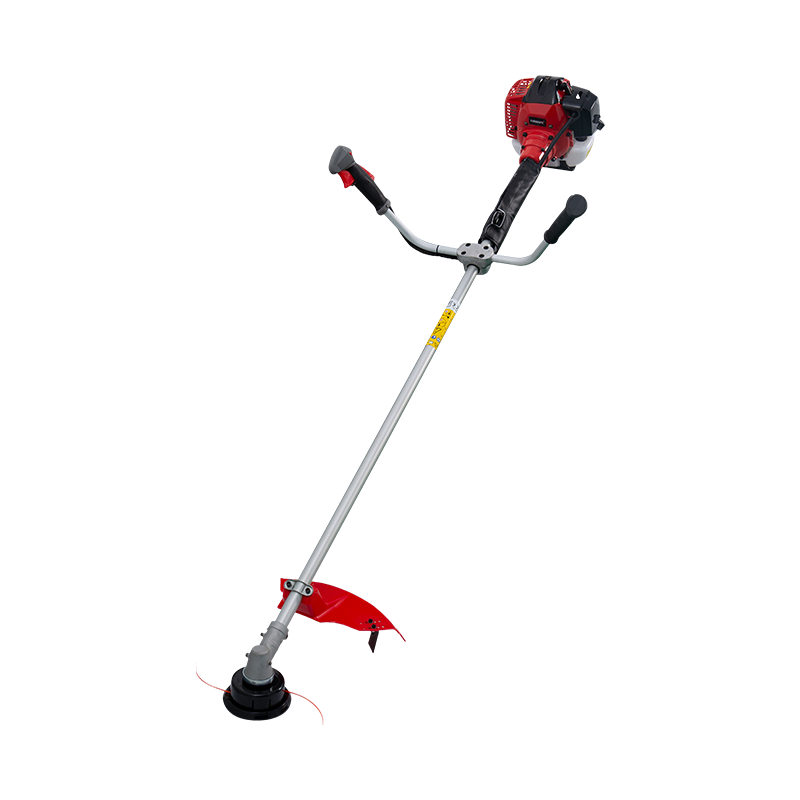
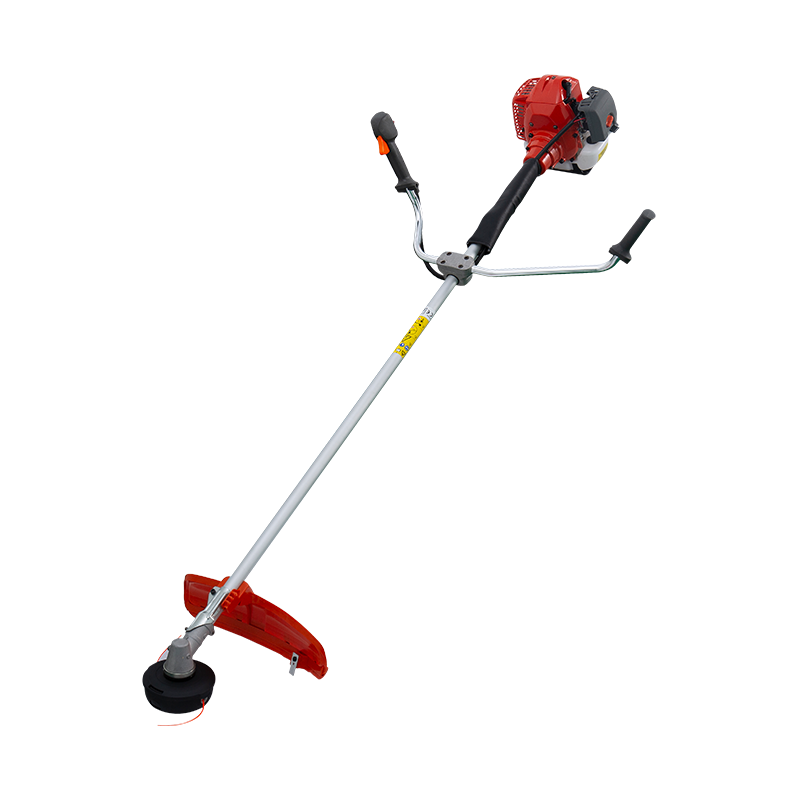
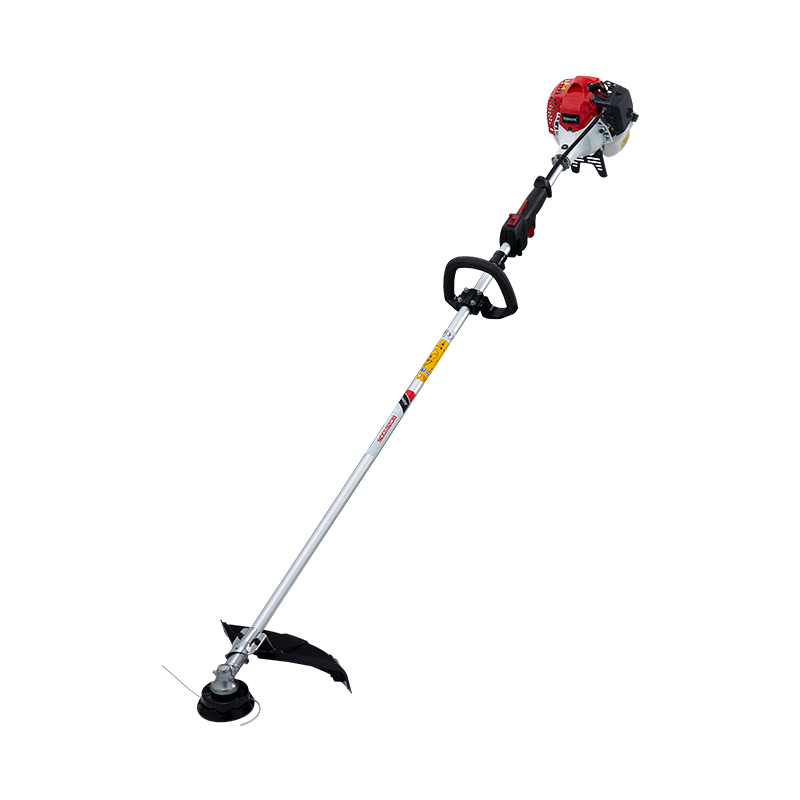
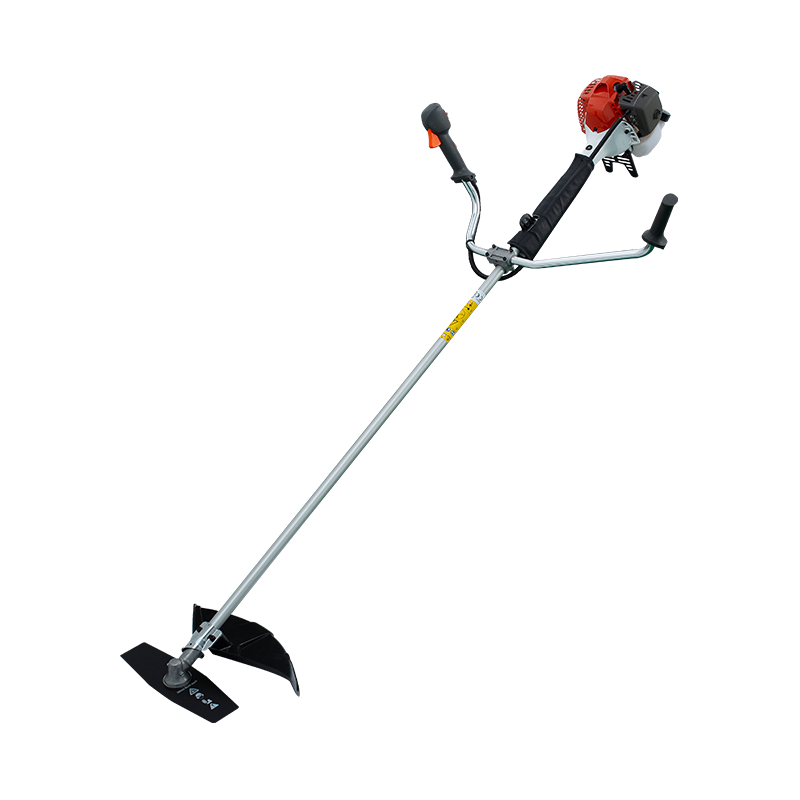
A gas brush cutter is a rugged, professional-grade tool designed to clear vegetation that is too tough for standard string trimmers. It uses a gasoline engine to drive a rigid metal cutting blade through thick weeds, woody brush, and even small trees.
Key Components and How They Work
The Power Source: The Engine
- Engine Displacement: Measured in cubic centimeters (cc), typically ranging from 25cc to over 50cc. Higher displacement generally means more power for tougher jobs.
- Two-Stroke vs. Four-Stroke: This is a fundamental choice impacting fuel mix, maintenance, and performance.
When comparing two-stroke and four-stroke engines, distinct differences emerge. Two-stroke engines require a mix of gasoline and oil, are generally lighter and have a higher power-to-weight ratio, but they produce more emissions and noise. Conversely, four-stroke engines use separate gasoline and oil, run more cleanly and quietly, offer better fuel efficiency, and often have longer lifespans, though they are typically heavier. The table below summarizes this key comparison:
| Feature | Two-Stroke Engine | Four-Stroke Engine |
| Fuel | Gas/Oil Pre-mix | Separate Gasoline and Oil |
| Power-to-Weight Ratio | Higher | Lower |
| Emissions & Noise | Higher | Lower |
| Maintenance Complexity | Simpler | More Complex |
| Typical Longevity | Good | Excellent |
The Drive System and Cutting Attachment
- Drive Shaft: A rigid or flexible metal shaft transmits power from the engine to the cutting head.
- Cutting Attachments: Interchangeable heads allow versatility, from plastic trimmer line for grass to circular metal blades for thick brush.
How to Choose the Right Gas Brush Cutter for Your Needs
Selecting the appropriate gas brush cutter is crucial for efficiency and user comfort. Your choice should be guided by the specific challenges of your property.
Assessing Your Terrain and Vegetation
- For maintaining large properties with mixed vegetation, you might need a versatile model that can handle both light grass and occasional thickets.
- If your primary task is clearing overgrown fields with thick brush, power and durability become the top priorities, necessitating a high-displacement engine and sturdy blades.
- For those working on steep or uneven hillsides, the best brush cutter for steep hillsides would feature a balanced design, a harness for operator safety, and excellent anti-vibration systems.
Matching Engine Power to the Job
Engine power is not a one-size-fits-all specification. Understanding the correlation between power and task prevents under-performance and equipment strain.
- Light-duty (25-32cc): Suitable for trimming tall grass, light weeds, and occasional thin brambles on smaller plots.
- Medium-duty (33-40cc): The most versatile range, capable of handling thick weeds, dense brush, and saplings up to 1-2 inches in diameter.
- Heavy-duty (41cc and above): Designed for professional, continuous use in clearing heavy brush, woody vegetation, and small trees.
Prioritizing Operator Comfort and Safety
A tool that causes fatigue or is unsafe will not be used effectively. Key comfort features include:
- Anti-Vibration Systems: Reduce transmitted vibration to the operator's hands and arms, crucial for preventing long-term strain.
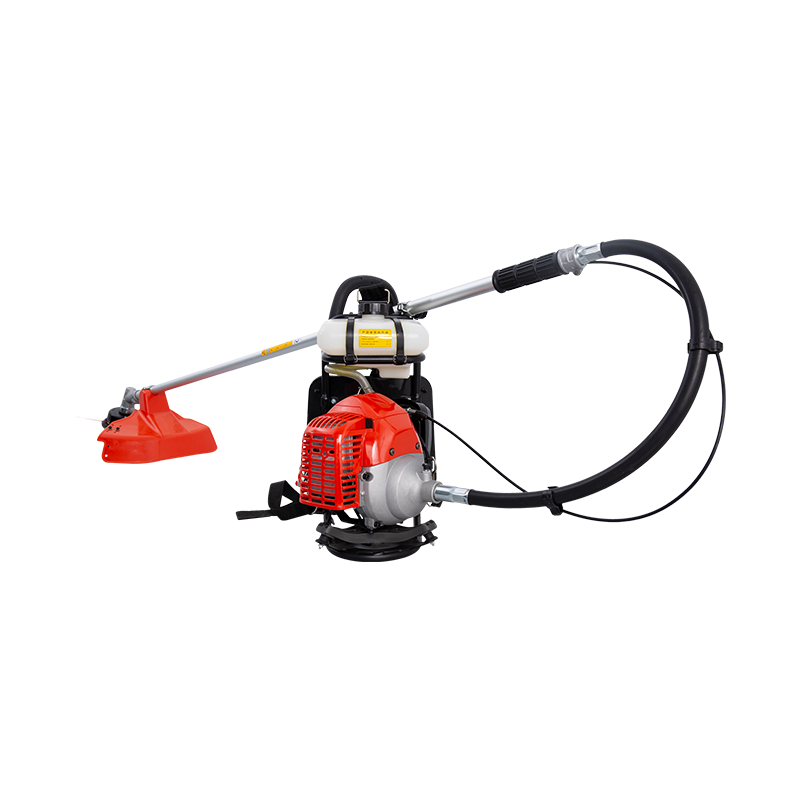
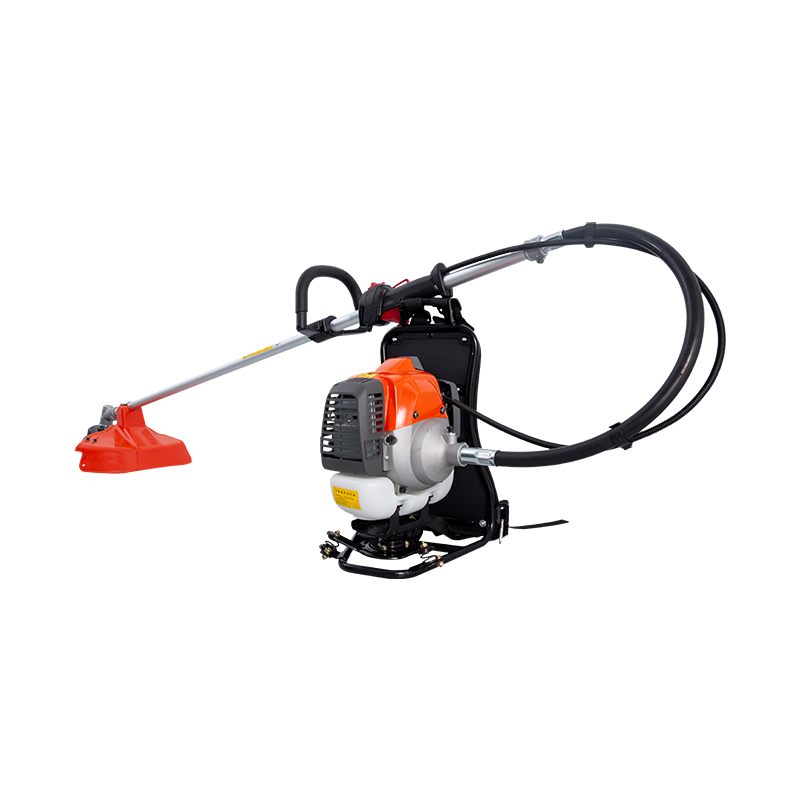
- Ergonomic Harnesses: Distribute the weight of the machine across the shoulders and back, making larger units manageable for extended periods.
- Easy-Start Mechanisms: Features like decompression valves make pulling the starter cord significantly easier.
Furthermore, addressing a common user question, understanding how to reduce vibration on a gas brush cutter involves checking and maintaining the anti-vibration mounts, ensuring cutting attachments are balanced and sharp, and always using the provided harness correctly [1].
Essential Maintenance for Longevity and Peak Performance
Regular maintenance is non-negotiable for keeping your gas brush cutter running smoothly and safely. A well-maintained machine is more reliable, efficient, and has a vastly extended service life.
Routine Maintenance Checklist
Before Each Use
- Check fuel level and mixture (for 2-stroke engines).
- Inspect the cutting attachment for damage, wear, and secure fastening.
- Visually check for loose bolts, nuts, or leaks.
After Each Use
- Clean debris from the engine cooling fins, air intake, and cutting shield.
- Wipe down the entire unit to prevent corrosion.
Periodic Maintenance Tasks
Adhering to the manufacturer's schedule is key. This includes:
- Air Filter Service: Clean or replace the air filter regularly to prevent engine damage from dust ingress.
- Spark Plug Replacement: A worn spark plug leads to hard starting and poor performance.
- Gearbox Greasing: The gearbox at the cutting head requires periodic greasing to prevent wear and overheating.
A critical aspect of upkeep is knowing how to sharpen brush cutter blades effectively. A sharp blade requires less power, makes cleaner cuts, and reduces strain on the engine. The process typically involves using a file or grinder to maintain the original cutting angle, ensuring each tooth is sharpened evenly [2]. Additionally, for winter storage or long idle periods, learning the correct steps for winterizing a gas-powered brush cutter is essential to prevent fuel system corrosion and engine seizing. This involves running the engine dry or adding fuel stabilizer, changing the oil (4-stroke), and storing the unit in a dry place [3].
Advanced Techniques and Safety First
Operating a powerful tool like a gas brush cutter demands respect and proper technique to ensure both effectiveness and safety.
Effective Cutting Techniques
- The Sweeping Motion: Use a controlled, side-to-side arc motion when cutting, letting the blade's speed do the work rather than forcing it.
- Dealing with Thick Brush: For dense patches, use a "top-down" approach, clearing the lighter growth first before tackling the thicker stems at the base.
- Avoiding Kickback: Never use the corner or tip of the blade to cut, as this can cause a sudden kickback reaction. Always engage the material with the central portion of the blade.
Non-Negotiable Safety Practices
- Always wear full Personal Protective Equipment (PPE): safety glasses, hearing protection, heavy-duty gloves, long pants, and sturdy boots.
- Clear the work area of bystanders, pets, and debris like rocks or wire that could become projectiles.
- Never operate the tool above waist height or on unstable footing.
- Ensure you have a durable brush cutter blade for hardwoods installed if you are cutting into woody material; using a blade designed for grass on hardwood is dangerous and can lead to catastrophic failure.
Choosing, using, and maintaining a gas brush cutter is a commitment to powerful and efficient land management. By understanding the machinery, matching it to your specific needs—whether that involves clearing overgrown fields with thick brush or finding the best brush cutter for steep hillsides—and adhering to a rigorous maintenance schedule, you ensure this investment pays dividends for years. Changzhou Noah Power Machinery Co., Ltd., through its principle of "quality first, customer first," embodies the dedication to creating durable and innovative tools that empower users to tackle their toughest outdoor challenges safely and effectively. By following the guidelines on operation, learning how to reduce vibration on a gas brush cutter, mastering how to sharpen brush cutter blades, and applying the proper steps for winterizing a gas-powered brush cutter, you maximize both performance and safety.
Frequently Asked Questions (FAQ)
1. What is the difference between a gas brush cutter and a string trimmer?
A gas brush cutter is a more powerful, heavy-duty tool designed for cutting thick brush, woody stems, and saplings using metal blades. A string trimmer (or weed whacker) is for cutting grass and light weeds using a rotating nylon line. They are different tools for different levels of vegetation.
2. Can I use a brush cutter to cut down small trees?
Yes, a heavy-duty gas brush cutter with an appropriate saw blade (e.g., a circular saw blade or a multi-tooth blade) can effectively cut down saplings and small trees typically up to 3-4 inches in diameter. Always use the correct durable brush cutter blade for hardwoods and exercise extreme caution.
3. How often should I perform maintenance on my gas brush cutter?
Follow the manufacturer's manual strictly. As a general rule, check air filters and clean the machine after every use. Spark plugs, fuel filters, and gearbox grease should be checked/replaced every 20-50 operating hours or at least once per season, depending on use.
4. Why won't my gas brush cutter start easily?
Hard starting is often due to stale fuel, a clogged air filter, a fouled spark plug, or improper fuel mixture (for 2-stroke engines). Following proper storage procedures like winterizing a gas-powered brush cutter and performing routine maintenance usually resolves these issues.
5. Is a harness really necessary?
For any brush cutter beyond the very lightest models, yes. An ergonomic harness is critical for safety and comfort. It distributes the machine's weight, gives you better control to prevent kickback injuries, and significantly reduces fatigue, allowing for longer, safer work sessions.
References
[1] Occupational Safety and Health Administration (OSHA). (n.d.). Hand-Arm Vibration Syndrome. Retrieved from OSHA guidelines on tool vibration and operator safety. (Reference for vibration reduction principles)
[2] Land Management Handbook. (2022). Sharpening Techniques for Forestry and Brush Cutting Tools. (Reference for blade sharpening methodology)
[3] Small Engine Care Association (SECA). (2023). Recommended Procedures for Seasonal Storage of Small Engines. (Reference for winterization steps)