English
 Español
Content
- 1 1. Engine Architecture: 2-Stroke vs 4-Stroke Configurations
- 2 2. Fuel Dynamics and Combustion Stability
- 3 3. Drivetrain and Transmission Efficiency
- 4 4. Professional Maintenance and Troubleshooting
- 5 Conclusion: Selecting the Engineering Standard
- 5.1 Frequently Asked Questions (FAQ)
- 5.1.1 1. What is the most common brush cutter fuel mix ratio?
- 5.1.2 2. Why is a straight shaft vs curved shaft brush cutter important?
- 5.1.3 3. How to start a flooded gas brush cutter effectively?
- 5.1.4 4. How often should I be cleaning a gas brush cutter carburetor?
- 5.1.5 5. What are the signs of a clogged brush cutter air filter?
- 5.2 Industry References
- 5.1 Frequently Asked Questions (FAQ)
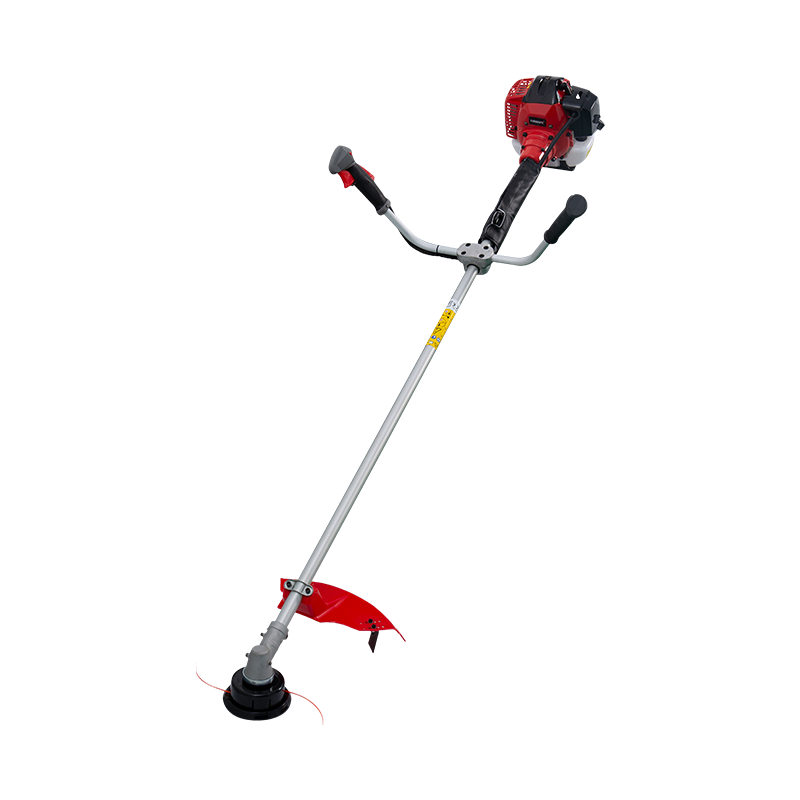
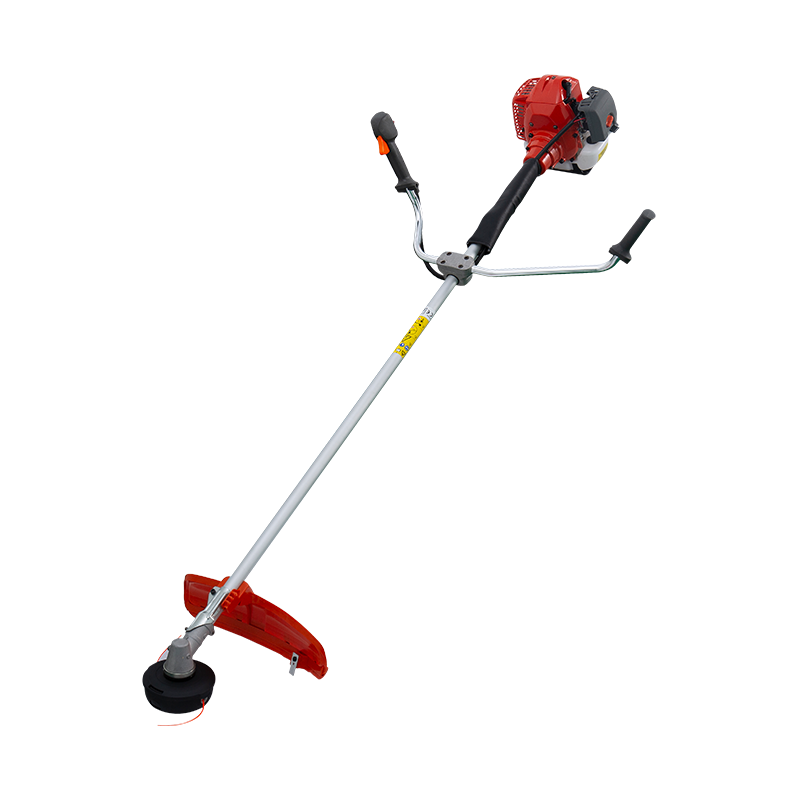
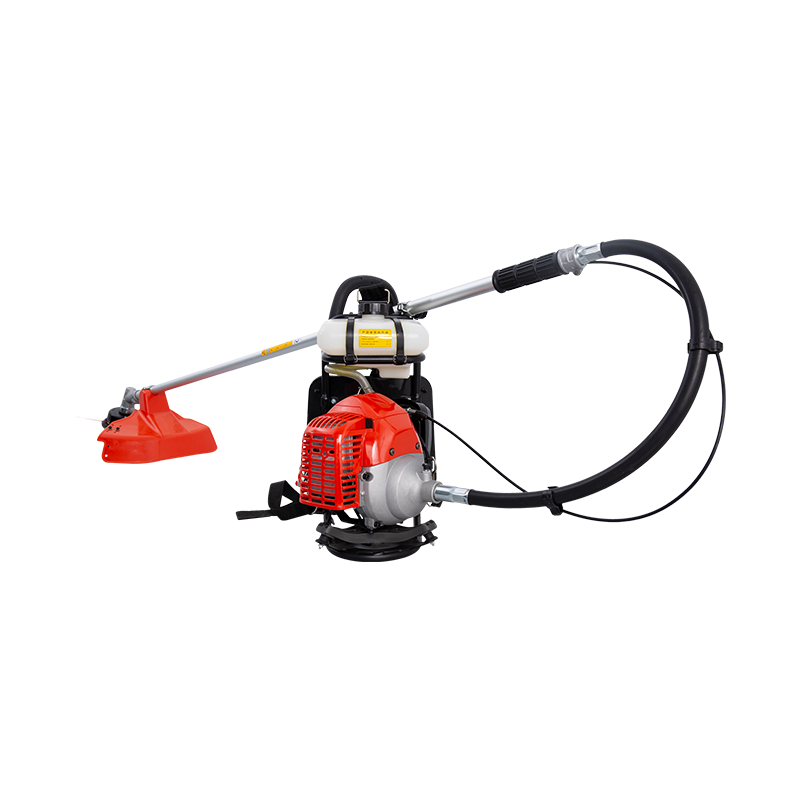
In the realm of professional vegetation management, Gas Brush Cutters stand as the primary mechanical solution for clearing dense undergrowth, woody saplings, and heavy grass where standard mowers fail. Unlike domestic trimmers, a professional-grade gas brush cutter is engineered with a high-torque engine and a rigid drive shaft to handle the high rotational inertia required by metal blades. Understanding the mechanical nuances of engine displacement, power-to-weight ratios, and drivetrain durability is essential for optimizing operational efficiency in the field.
1. Engine Architecture: 2-Stroke vs 4-Stroke Configurations
The choice between engine cycles fundamentally alters the tool's performance profile. A 2-stroke gas-powered brush cutter is favored for its high power-to-weight ratio and ability to operate at extreme angles without oil starvation, as the lubricant is mixed directly with the fuel. Conversely, a 4-stroke engine offers higher torque at lower RPMs and significantly reduced emissions, though it involves a more complex internal lubrication system. When analyzing a 2-stroke vs 4-stroke brush cutter, engineers prioritize power density for forestry clearing and fuel efficiency for prolonged landscaping tasks.
| Feature | 2-Stroke Engine | 4-Stroke Engine |
| Power-to-Weight | Superior (High RPM power) | Lower (Heavier build) |
| Lubrication Method | Brush cutter fuel mix ratio required | Separate oil reservoir |
| Operational Angle | 360-degree orientation | Limited by the oil sump position |
2. Fuel Dynamics and Combustion Stability
For 2-stroke models, the brush cutter fuel mix ratio is the most critical factor in determining engine longevity. A standard 50:1 or 40:1 ratio ensures that the crankcase, needle bearings, and cylinder walls receive adequate lubrication during high-speed operation. Incorrect mixing leads to carbon buildup on the exhaust port or, in severe cases, piston seizure. Furthermore, understanding how to start a flooded gas brush cutter is a vital skill for field operators; it requires clearing the combustion chamber of excess fuel by engaging the "wide-open throttle" (WOT) technique while pulling the starter cord without the choke.
3. Drivetrain and Transmission Efficiency
The transition of power from the centrifugal clutch to the cutting head involves a straight shaft vs curved shaft brush cutter debate. High-performance gas brush cutters almost exclusively utilize a solid steel straight shaft supported by multiple bushings to minimize vibration and power loss. While curved shafts offer better ergonomics for light trimming, they rely on a flexible cable that cannot withstand the shock loads of a metal blade hitting a submerged rock or thick stump. For heavy-duty clearing, the best gas brush cutter for thick brush must feature a gearbox with high-strength helical gears and high-temperature grease packing.
| Drivetrain Type | Shaft Material | Attachment Compatibility |
| Straight Shaft | Solid Steel / Hollow Aluminum | Metal Blades & Heavy Line Heads |
| Curved Shaft | Flexible Steel Cable | Lightweight Nylon String only |
4. Professional Maintenance and Troubleshooting
Long-term reliability is dictated by the maintenance of the intake and exhaust systems. A clogged brush cutter air filter restricts airflow, causing the engine to run "rich," which leads to spark plug fouling and decreased RPM. Similarly, cleaning a gas brush cutter carburetor is often necessary when fuel stabilizers are neglected during storage. Engineers also emphasize the gas brush cutter spark plug gap settings, which usually range between 0.6mm and 0.7mm, as this ensures optimal spark intensity for complete combustion under variable load conditions.
Operational Safety and Ergonomics
- Vibration Damping: Utilization of rubber mounts and spring-loaded handle housings to prevent Hand-Arm Vibration Syndrome (HAVS).
- Harness Systems: Proper weight distribution across the shoulders to reduce lumbar strain during extended use of hheavy-dutygas brush cutters.
- Debris Shielding: Impact-resistant polymers designed to deflect projectiles while maintaining visibility of the cutting path.
Conclusion: Selecting the Engineering Standard
The selection of a gas brush cutter should be based on the specific density of the vegetation and the duty cycle of the project. By prioritizing engine cycle efficiency, shaft rigidity, and strict adherence to fuel mixing protocols, professionals can ensure maximum tool uptime. Whether tackling tall grass or dense woody stems, the synergy between a well-maintained engine and the correct cutting attachment defines the performance threshold of modern outdoor power equipment.
Frequently Asked Questions (FAQ)
1. What is the most common brush cutter fuel mix ratio?
The most common ratio for modern 2-stroke engines is 50:1 (2.6 oz of oil per gallon of gas), though some older high-displacement models may require 40:1 to ensure adequate lubrication at high heat.
2. Why is a straight shaft vs curved shaft brush cutter important?
Straight shafts are more durable and allow for the use of metal blades, making them essential for clearing brush. Curved shafts are lighter but restricted to nylon line for light grass trimming.
3. How to start a flooded gas brush cutter effectively?
Turn the choke off, hold the throttle trigger to the "fast" position, and pull the starter rope repeatedly until the engine fires and clears the excess fuel from the cylinder.
4. How often should I be cleaning a gas brush cutter carburetor?
This is usually done annually or if the engine stalls at idle. Using fresh, stabilized fuel significantly reduces the frequency of needed cleanings.
5. What are the signs of a clogged brush cutter air filter?
Signs include a noticeable loss of power, excessive smoke from the exhaust, and difficulty reaching high RPMs even at full throttle.
Industry References
- ISO 11806-1: Agricultural and forestry machinery — Safety requirements for portable, hand-held, combustion-engine-powered brush-cutters and grass-trimmers.
- ANSI B175.3: Internal Combustion Engine-Powered Hand-Held Grass Trimmers and Brushcutters - Safety Requirements.
- SAE J1349: Engine Power Test Code — Spark Ignition and Compression Ignition — Net Power Rating.