English
 Español
Content
- 1 Understanding the Critical Role of Quality Spare Parts
- 2 In-Depth Exploration of Core Spare Part Categories and Queries
- 3
- 4 Developing a Sustainable Sourcing and Maintenance Philosophy
Understanding the Critical Role of Quality Spare Parts
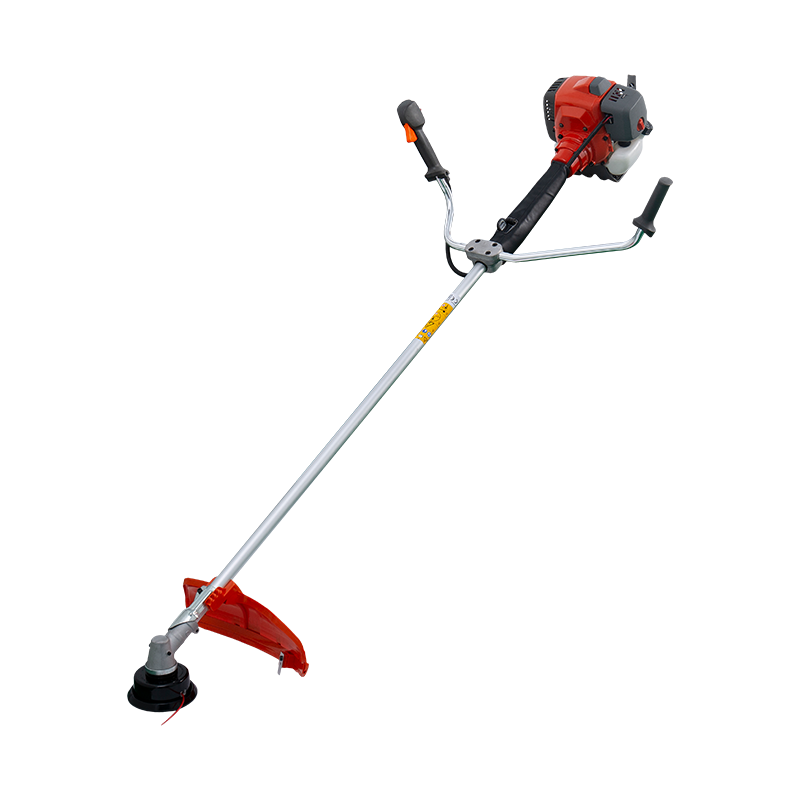
The longevity and consistent performance of a brush cutter are intrinsically linked to the quality and appropriateness of its replacement components. For professionals in landscaping, agriculture, and even dedicated homeowners, downtime due to a failed part is more than an inconvenience—it's a disruption to workflow and productivity. This guide delves deep into the world of brush cutter spare parts, moving beyond basic identification to provide a comprehensive resource on selection, compatibility, maintenance, and sourcing strategies. By empowering users with this knowledge, they can make informed decisions that ensure their equipment operates at peak efficiency for years to come. A foundational understanding of the spare parts ecosystem is the first step toward proactive equipment management and cost-effective operation.
The following phrases represent valuable search avenues with focused intent and lower competitive noise. Each one targets a distinct aspect of spare part procurement or problem-solving.
- spare parts for brush cutter replacement blades for thick brush
- where to find affordable brush cutter ignition coil
- how to identify genuine brush cutter drive shaft
- brush cutter fuel line and filter replacement kit
- best practices for storing extra brush cutter cutting heads
In-Depth Exploration of Core Spare Part Categories and Queries
Selecting and Sourcing Cutting Attachments for Demanding Tasks
When your work involves clearing overgrown areas, saplings, or dense vegetation, the standard blade may not suffice. The query spare parts for brush cutter replacement blades for thick brush highlights the need for specialized cutting attachments designed for heavy-duty applications. This is not merely about finding a blade, but finding the right tool for a specific, challenging job.
Types of Blades for Heavy-Duty Work
Choosing the correct blade is paramount for efficiency and safety. Using a light-duty blade on thick brush can lead to rapid dulling, blade damage, or dangerous kickbacks.
- Chisel-Tooth or Chipper Blades: Featuring large, angled teeth, these blades are excellent for cutting through woody stems, saplings, and thick brush up to several inches in diameter. They are designed to chip away material as they cut.
- Triangular or "Trimmer" Blades: Typically with three or four cutting edges, these are versatile for mixed vegetation. While good for thick grass and light brush, they may struggle with very woody material compared to chisel-tooth designs.
- Circular Saw Blades: These are essentially compact, toothed saw blades for the most demanding tasks, capable of handling small trees and heavy brush. They require a powerful brush cutter and extreme caution during use.
When comparing a standard multi-tooth grass blade to a dedicated chisel-tooth blade for thick brush, the differences are stark. The grass blade will require more passes, strain the engine, and dull quickly, whereas the chisel-tooth blade will power through the material efficiently with a cleaner cut and longer edge life. It's crucial to match the blade not only to the task but also to the power and rotational speed of your specific brush cutter model.
A common point of failure in gasoline-powered brush cutters is the ignition system, specifically the coil. The search phrase where to find affordable brush cutter ignition coil underscores a dual concern: the need for a critical part and the desire for cost-effectiveness. An ignition coil is responsible for transforming the battery's low voltage into the thousands of volts needed to create a spark in the spark plug, making it essential for engine starting and operation.
Balancing Affordability and Reliability
The market offers a wide spectrum of ignition coils, ranging from original equipment manufacturer (OEM) parts to generic alternatives. "Affordable" should not equate to "low-quality," as a failing coil will lead to persistent starting problems, poor engine performance, and wasted fuel.
Key considerations when sourcing an affordable yet reliable ignition coil include:
- Compatibility: This is the non-negotiable first step. The coil must match your engine's make, model, and specific engine code. An incompatible coil, even if it fits physically, will not function correctly.
- Construction and Materials: Look for coils with robust epoxy or resin potting to protect the internal windings from moisture and vibration—the two primary killers of ignition components.
- Supplier Reputation: Seek out specialized suppliers or manufacturers known for quality aftermarket parts. Reviews and technical specifications are more valuable indicators than price alone.
For instance, a company like Changzhou Noah Power Machinery Co., Ltd., which integrates research and development with production, often understands the importance of a reliable ignition system across their range of garden machinery. Their principle of "quality first" aligns with the end-user's need for a durable spare part that offers value over time, not just a low initial price. While avoiding brand-specific recommendations, it is wise to consider parts from manufacturers with a stated commitment to R&D and quality control.
Ensuring Mechanical Integrity: The Drive Shaft
The drive shaft is the critical link that transmits power from the engine to the cutting head. A failure here stops the machine completely. The query how to identify genuine brush cutter drive shaft points to a significant concern about part authenticity and mechanical compatibility. A non-genuine or counterfeit drive shaft can be a safety hazard and cause extensive damage to the gearbox and engine.
Markers of Authenticity and Quality
Identifying a genuine or high-quality replacement drive shaft requires a meticulous approach. It goes beyond simply matching length.
| Inspection Point | Characteristics of a Genuine/Quality Part | Risks Associated with a Low-Quality Part |
|---|---|---|
| Material and Finish | Made from high-grade, hardened steel; has a consistent, smooth finish with precise machining; protective coatings may be present to resist corrosion. | Softer metal that can twist or shear; rough machining that increases wear on bearings and seals. |
| Precision of Splines/Couplings | Splines (the teeth on the shaft ends) are sharply defined, symmetrical, and fit snugly without excessive play. The coupling mechanisms are robust. | Worn or poorly machined splines cause slippage, power loss, and accelerated wear on the mated parts, leading to catastrophic failure. |
| Straightness and Balance | The shaft is perfectly straight, ensuring smooth rotation without vibration, which is crucial for user comfort and component longevity. | A bent shaft causes severe vibration, damaging bearings, seals, and the gearbox, and making the tool uncomfortable and unsafe to operate. |
| Packaging and Documentation | Often comes in branded packaging with a part number that exactly matches the OEM specification. May include installation instructions. | Generic packaging, unclear or missing part numbers, and poor-quality photocopied instructions are red flags. |
Furthermore, understanding the type—whether it's a straight solid shaft, a flexible shaft, or one with a specific curvature—is vital. Cross-referencing the part number from the original equipment or a reliable parts diagram is the most reliable method for identification. Companies focused on quality, such as Changzhou Noah Power Machinery Co., Ltd., emphasize the importance of such precision-engineered core components in their products, as they are fundamental to the machine's durability and safe operation.
Maintaining Fuel System Health with Comprehensive Kits
Most brush cutter engine problems originate in the fuel system. Degraded lines and a clogged filter are primary culprits for hard starting, stalling, and poor performance. The phrase brush cutter fuel line and filter replacement kit indicates a proactive approach to maintenance. Purchasing these items as a kit is often more efficient and ensures all necessary components for a full system refresh are on hand.
Advantages of Kit-Based Fuel System Maintenance
Replacing the fuel line and filter as a routine maintenance item, rather than a reaction to failure, is a best practice. A dedicated kit simplifies this process.
- Complete Solution: A proper kit typically includes a length of ethanol-resistant fuel line, an in-line fuel filter, and often the necessary clamps or connector pieces. This guarantees compatibility between all components.
- Ethanol Resistance: Modern fuels often contain ethanol, which can degrade standard rubber fuel lines from the inside, causing leaks, blockages, and engine damage. A quality kit will specify ethanol-resistant or ASTM D6814-compliant tubing.
- Correct Fitment: Kits designed for a category of equipment (like small-engine brush cutters) usually include line with the correct internal and external diameter to fit the fuel tank outlet, carburetor inlet, and primer bulb connections.
- Preventative Mindset: Performing this replacement annually or biennially, depending on use, prevents frustrating downtime. It is a simple task with a high return on investment in terms of reliable operation.
The process involves draining the fuel tank, removing the old, often brittle or swollen lines, cutting the new line to length, and installing the new filter in the correct orientation (usually with the arrow pointing toward the carburetor). Ensuring all connections are secure with appropriate clamps prevents air leaks, which can also cause operational issues. This holistic approach to a subsystem is aligned with a philosophy of comprehensive equipment care.
Strategic Storage and Inventory Management for Spare Heads
Having a spare cutting head can instantly resolve a field breakdown, but improper storage can render that spare part useless before it's even installed. The search for best practices for storing extra brush cutter cutting heads reveals an understanding that preservation is as important as possession. Proper storage prevents corrosion, maintains structural integrity, and ensures the part is ready for service when needed.
A Protocol for Preserving Critical Spares
Whether it's a bump head, a blade adapter, or a complete metal blade, storage conditions dictate future performance.
- Clean Thoroughly Before Storage: Remove all plant sap, dirt, and moisture. Use a degreaser for oily residues and dry the part completely. Even a small amount of organic matter can retain moisture and promote rust.
- Apply a Protective Coating: For metal parts, especially blades, a light application of a corrosion-inhibiting oil or fluid film is essential. For plastic components of a cutting head, a silicone-based protectant can prevent drying and cracking.
- Control the Environment: Store parts in a dry, temperature-stable location. Avoid damp sheds or floors. Use sealed containers or heavy-duty zip-lock bags with a desiccant packet to control humidity.
- Organize for Safety and Accessibility: Store sharp blades in protective guards or sheaths. Label parts clearly with the model they fit. Keep them in a dedicated toolbox or shelf, away from heavy objects that could damage them.
- Periodic Inspection: Every few months, check stored parts for signs of corrosion or degradation. Reapply protective coatings if necessary.
Contrast this with simply throwing a spare head into a messy toolbox where it bangs against other tools, collects moisture, and the cutting line becomes brittle or tangled. The former approach ensures a ready-to-install part; the latter often results in a spare that needs repair or cleaning before it can be used, defeating its purpose. This meticulousness in spare part management reflects a professional standard of equipment stewardship.
Developing a Sustainable Sourcing and Maintenance Philosophy
Ultimately, managing spare parts for a brush cutter is not a series of isolated reactions but a strategic component of equipment ownership. From seeking the right spare parts for brush cutter replacement blades for thick brush to implementing the best practices for storing extra brush cutter cutting heads, each action contributes to a larger goal of reliability, safety, and cost-effectiveness. By focusing on specific needs through targeted queries, verifying part authenticity, performing systematic maintenance with kits, and storing spares intelligently, users can maximize the utility and lifespan of their equipment. This proactive stance, centered on knowledge and quality, ensures that your brush cutter remains a dependable partner in tackling any vegetation challenge, season after season.