English
 Español
Content
Why Choose a Backpack Brush Cutter
Power and Efficiency for Tough Jobs
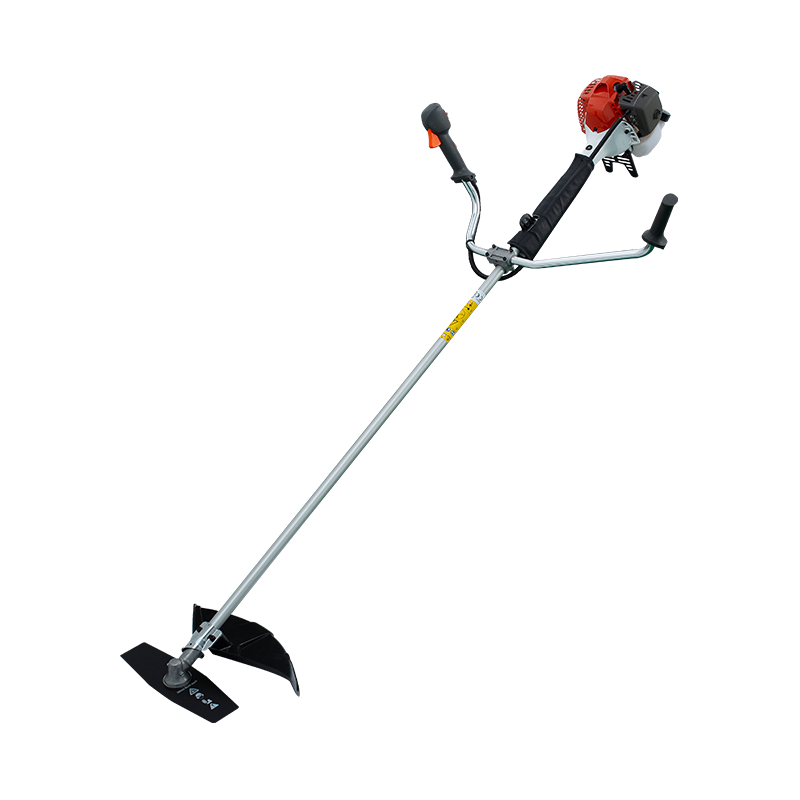
If you're facing dense weeds, woody saplings or tangled undergrowth, a backpack brush cutter can be a game-changer. Unlike light string trimmers, these machines bring engine power and robust cutting attachments capable of slicing through thick stems and small trees. They save time and physical effort — what might take hours with manual tools or weak trimmers can be done in minutes. For anyone managing overgrown land, natural terrain, or periodic heavy cleanup, the boost in performance is often well worth using a backpack setup.
- Higher cutting torque lets you handle tough brush that strangles light trimmers.
- Engine-driven blades or heavy-duty heads cut saplings and woody shrubs — not just weeds.
- Reduced need for multiple passes: the first cut often does most of the job.
Mobility and Ergonomics Compared to Handheld Tools
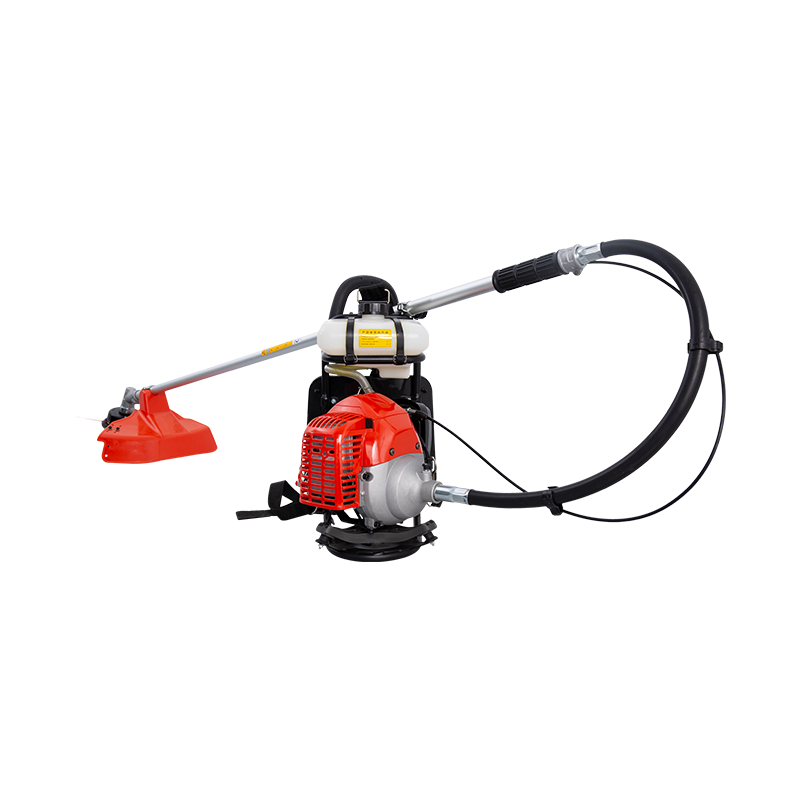
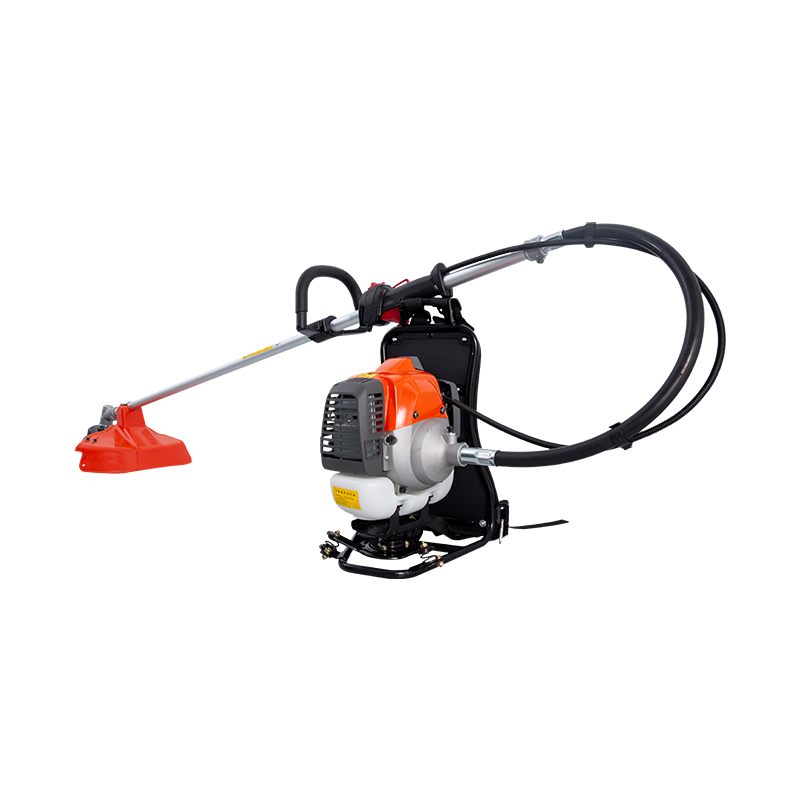
Carrying the power source on your back gives a major ergonomic advantage. With the weight distributed over your shoulders and hips, you can maneuver across slopes, uneven terrain, or large plots without dragging a heavy tool on the ground. As a result, a properly positioned backpack brush cutter reduces fatigue and increases safety. This makes it especially suitable for large properties, overgrown lots, or rural landscapes where accessibility is limited.
- Backpack harness distributes weight evenly, reducing strain on arms and hands.
- Better reach and flexibility: you can swing through dense patches without repositioning a heavy base.
- Improved balance on slopes or rough terrain compared to ground‑based mowers.
Key Use Cases: When a Backpack Brush Cutter Shines
Clearing Dense Vegetation and Thick Brush
One of the strongest use cases for a backpack brush cutter for thick brush is reclaiming land overrun by dense undergrowth or invasive woody plants. When you have tangled vines, shrubs, or saplings less than a few inches thick, this tool’s power can transform a wild patch into manageable ground. Its cutting capacity often outperforms light-duty tools, making it indispensable for property maintenance — whether clearing fence lines, prepping land for landscaping, or restoring neglected lots.
- Effective for shrubs, young saplings, and woody weeds.
- Great for reclaiming overgrown border areas or neglected property edges.
- Prepares land for further landscaping, mowing, or planting work.
Managing Overgrown Weeds and Garden Patches
For areas choked by tall weeds or unmaintained garden patches, a portable backpack brush cutter for overgrown weeds is often more efficient than manual tools or basic trimmers. When weeds, grasses, or small shrubs have taken over, this tool can quickly cut and clear, giving you a clean slate. This makes seasonal cleanup faster, and helps keep perimeters, driveways, or fences free of growth without exhausting time and energy.
- Clears tall grasses and weeds before they seed or spread.
- Ideal for seasonal property maintenance or garden cleanup efforts.
- Allows dense weed removal in less time, enabling frequent upkeep.
Maintenance & Operational Best Practices
Regular Maintenance Checklist
To keep your machine running smoothly, a consistent backpack brush cutter maintenance checklist is essential. Engine-powered tools demand more care than trivial hand tools. Overlooking maintenance can lead to decreased cutting performance, engine strain, or even long-term damage. With proper upkeep, you ensure reliability, fuel efficiency, and reduced repair costs over time. Here’s a recommended routine for every 10–20 hours of use — or sooner if used in harsh conditions (dusty, humid, or sandy):
- Inspect and clean the air filter; replace if excessively dirty or damaged.
- Check spark plug condition; clean or replace as needed.
- Examine cutting head/blade for wear or damage — sharpen or replace if worn.
- Inspect fuel lines for leaks or cracks; replace if deteriorating.
- Clean external surfaces and remove debris buildup to prevent overheating.
Optimizing Fuel Use and Engine Longevity
Fuel economy matters when you plan large‑scale landscaping or frequent usage. Monitoring and optimizing efficient backpack brush cutter fuel consumption not only cuts costs, but also extends engine lifespan and reduces emissions. Good fuel practices go beyond just filling up: carefully mixing fuel (if two‑stroke), using fresh high‑quality oil (if required), and draining fuel when storing for long periods can make a big difference. Moreover, regular tune‑ups help the engine run cleaner and more efficiently, making each gallon of fuel work harder for you.
- Use the correct fuel‑to‑oil ratio (if two‑stroke) to avoid premature engine wear.
- Prefer fresh fuel; stale gas degrades performance and increases engine stress.
- After long storage, drain fuel to prevent gumming and starting issues.
- Maintain clean carburetor and exhaust paths to optimize combustion efficiency.
Safety and Gear: Protect Yourself While Cutting
Recommended Safety Gear for Backpack Brush Cutter Use
Operating a backpack brush cutter safety gear recommendations protocol is non‑negotiable. The power of the tool combined with unpredictable terrain increases risk of flying debris, blade contact, and hearing damage. Proper protective equipment enhances safety and reduces the likelihood of accidents. Users should treat each session with the same level of caution as heavy‑duty landscaping or forestry work. Here’s what you should always wear or have:
- Protective eyewear or face shield — to shield against flying wood chips, stones, or debris.
- Hearing protection — ear muffs or plugs to guard against engine noise.
- Your choice of heavy-duty gloves to protect your hands from vibration and accidental contact.
- Sturdy footwear with good grip — avoid sandals or light shoes.
- Long pants and durable clothing to guard against scratches from brush or thrown debris.
Safe Operation Tips and Terrain Considerations
Using a backpack cutter isn’t just about wearing the right gear — safe operation technique is equally important. Proper posture, awareness of surroundings, and terrain conditions all influence safety. Before cutting, inspect the area to remove obstacles like rocks or hidden debris. When working on slopes or uneven ground, maintain a stable stance and avoid overreaching. Additionally, make sure the cutting head is rotating at full speed before initiating contact with brush so that you avoid jerks or unexpected kicks from heavy stems.
- Clear the work area of stones, hidden logs, or debris before you start.
- Maintain a firm stance — especially on slopes — and balance the backpack weight evenly.
- Ensure blade/head reaches full speed before cutting to avoid kickback.
- Avoid cutting above shoulder height to maintain control and reduce chance of injury.
- Take regular breaks to prevent fatigue, which often leads to accidents.
How to Choose the Right Backpack Brush Cutter for You
Matching Cutter Capacity to Your Landscaping Needs
Selecting the right model means evaluating how you plan to use the tool. If you’re tackling heavy saplings or dense brush regularly, you want a cutter that supports a larger blade or heavy‑duty attachment and delivers sufficient torque. For lighter tasks like weeds or occasional trimming, a lighter‑duty backpack cutter may suffice. Consider the typical vegetation density, brush thickness, and terrain of your property before deciding. Moreover, factor in how long you expect to work in a session — a more powerful engine may be necessary for longer tasks. Below is a simplified comparison to help decide the needed cutting capacity:
| Cutter Use Case | Recommended Cutting Capacity / Blade Type |
| Thin weeds, grasses, light brush | Light-duty head or blade, portable backpack brush cutter for overgrown weeds |
| Medium shrubs, woody weeds, average brush | Mid-range blade or brush-cutting head |
| Thick brush, woody saplings, dense undergrowth | Heavy-duty blade or brush saw attachment, backpack brush cutter for thick brush |
Considerations: Weight, Portability, and Fuel Efficiency
Beyond cutting capacity, practical aspects like weight, portability, and fuel consumption are critical — especially if you expect long working sessions or need frequent transport. A heavy machine may offer power but drain energy and slow you down if you’re moving across rough terrain. On the other hand, lighter models sometimes lack the punch for thick growth. Prioritizing a balance ensures you get both usability and enough power without overburdening yourself. Efficient fuel use also matters — if you’re doing frequent or extended work, lean on models and practices that optimize efficient backpack brush cutter fuel consumption.
- Balance engine power with manageable weight for user comfort.
- Look for adjustable harnesses or ergonomic straps to improve portability over extended use.
- Prioritize fuel efficiency if you expect long hours or remote work situations.
- Consider the ease of maintenance — simpler engines and fuel systems are easier to service in field conditions.
FAQ
How much vegetation can I expect to clear in one hour with a backpack brush cutter?
The actual area you can clear in one hour depends heavily on vegetation density, thickness, terrain, and your own cutting technique. In ideal conditions — moderate brush, flat terrain, and with a properly maintained backpack brush cutter — it’s realistic to clear several hundred square feet, perhaps even up to 1,000 square feet if the brush isn’t overly thick. However, if the vegetation is dense, consisting of woody shrubs or saplings, the rate will drop significantly due to slower cutting and increased debris clearing. Over the course of a full session, you might clear anywhere from 0.1 to 0.25 acres under moderate-to-heavy conditions.
- Light weeds/grass: highest coverage per hour.
- Medium brush: moderate coverage; frequent blade resets and debris clearing.
- Thick brush or saplings: slowest progress; frequent pauses for safety and clearing cut material.
What is the ideal fuel mixture or fuel maintenance for long‑term reliability?
For engines requiring mixed fuel, adhering strictly to the correct fuel‑to‑oil ratio is critical. Using too little oil can lead to engine overheating and premature wear; too much can cause heavy smoke and carbon build-up. Regularly replacing old fuel and draining mixed fuel if the machine will be stored for more than a few weeks helps prevent gumming and carburetor issues. For long-term reliability, combine proper fuel mix, regular air-filter cleaning, and spark‑plug inspection as part of your backpack brush cutter maintenance checklist. Fresh fuel, clean filters, and correct oil mix significantly improve performance and prolong engine lifespan.
- Always follow manufacturer recommendations for fuel/oil ratio.
- Use fresh fuel — avoid fuel older than 30 days if possible.
- Drain fuel completely when storing for a season or extended period.
- Clean air filter and carburetor regularly to maintain proper combustion and fuel efficiency.
Is it safe to use a backpack brush cutter on uneven or sloped terrain?
Yes — but only with proper precautions. A backpack brush cutter offers better balance and distribution of weight than a handheld tool, which helps on slopes or uneven ground. Yet working on inclines, hillsides, or irregular terrain increases the risk of slips, loss of control, or blade kickback. To mitigate these risks, always wear recommended protective gear, ensure stable footing, clear the area of loose debris or stones, and avoid cutting above shoulder height. Additionally, go slowly and maintain balance when swinging through thick brush or cutting near obstacles.
- Use stable, slip-resistant footwear suited for terrain.
- Clear the ground of loose obstacles before cutting to reduce fall risk.
- Maintain a low center of gravity and firm stance when operating on a slope.
- Work at a controlled pace — avoid rushing, especially in dense brush or uneven ground.