English
 Español
Content
- 1 What Is a String Trimmer and How It Works
- 2 Line Feed Systems and Operating Mechanisms
- 3 What a String Trimmer Is Used For
- 4 Power Source Options and Performance Characteristics
- 5 Manual Operation Techniques and Best Practices
- 6 Maintenance and Line Replacement Procedures
- 7 Selecting the Right String Trimmer for Your Needs
What Is a String Trimmer and How It Works
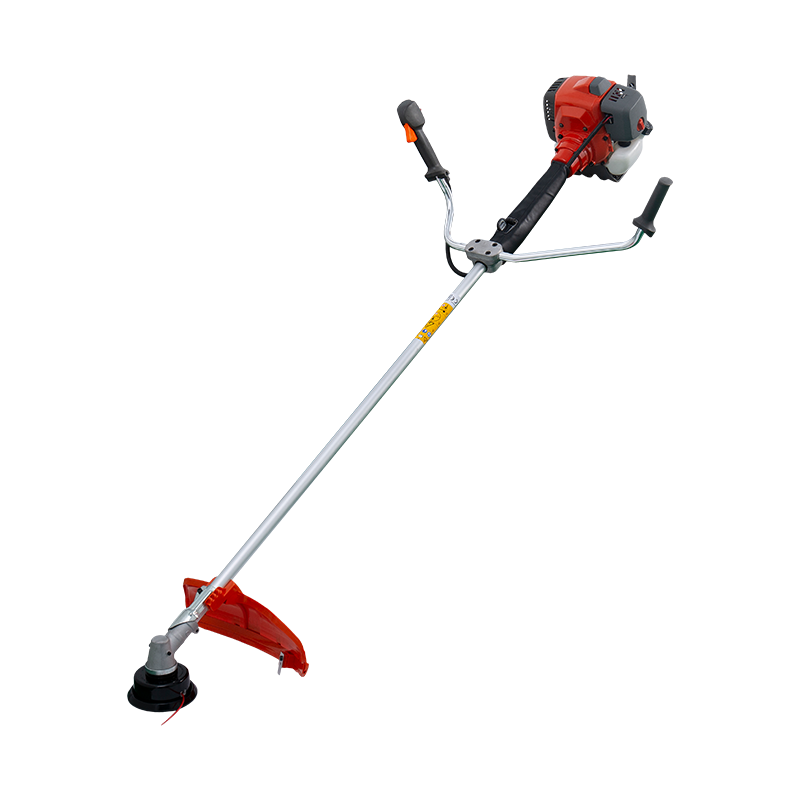
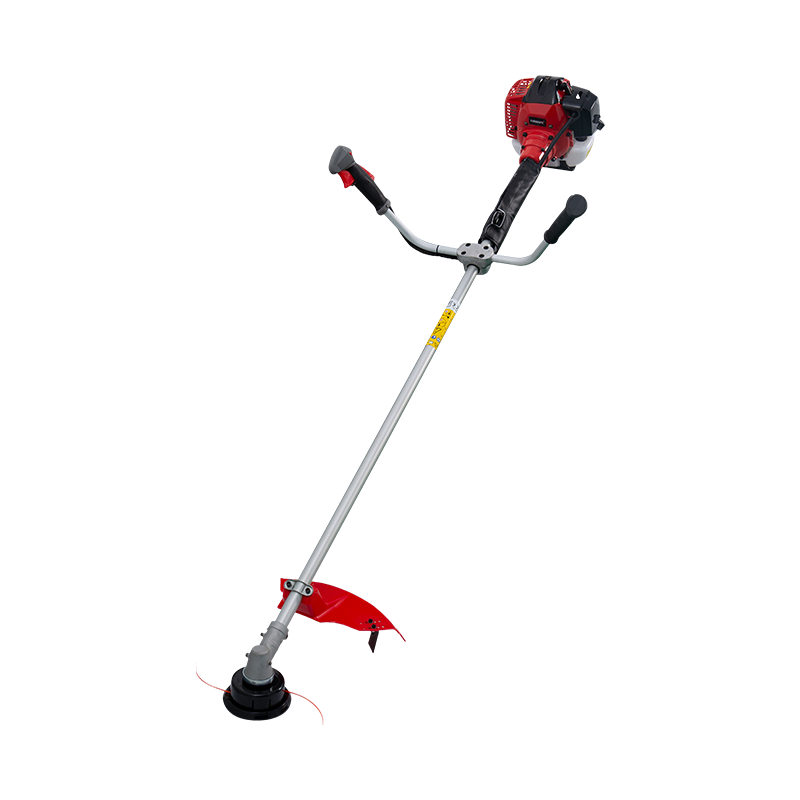
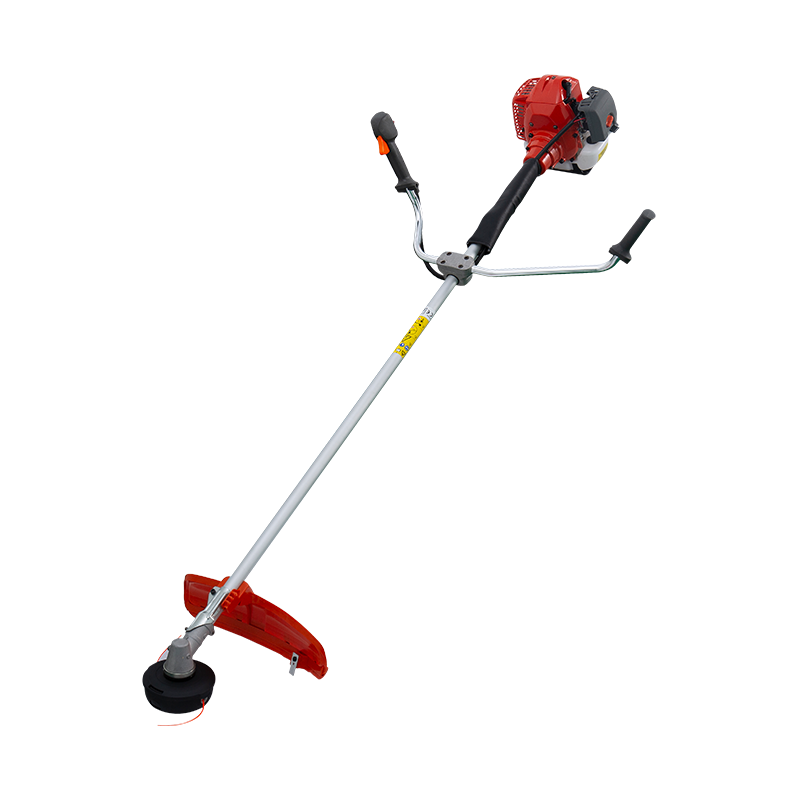
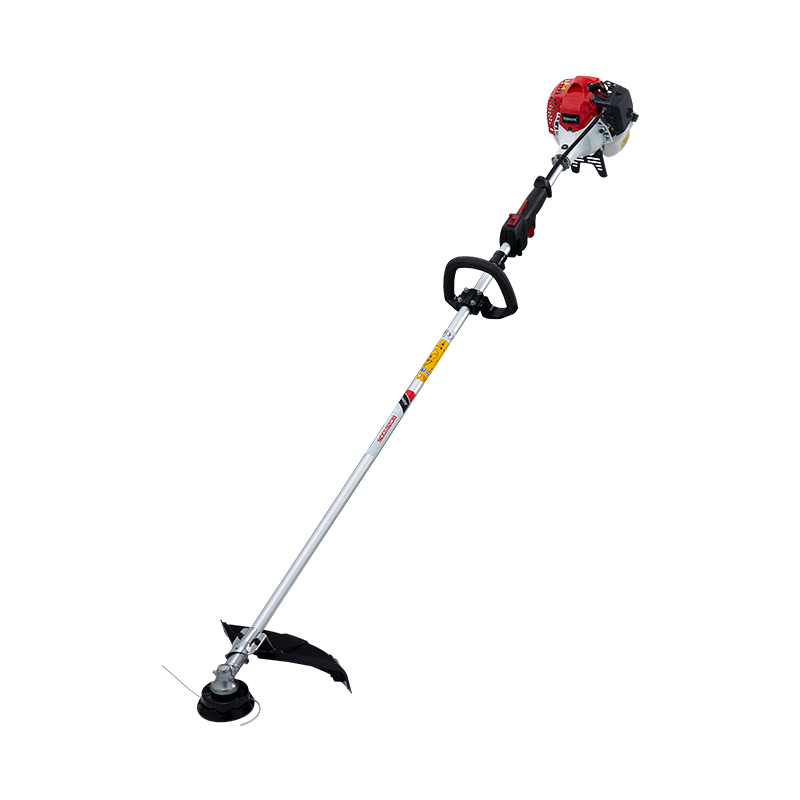
A string trimmer is a handheld power tool that cuts grass, weeds, and light vegetation using a rapidly spinning length of nylon monofilament line. The line rotates at speeds up to 10,000 RPM, generating sufficient centrifugal force to slice through vegetation cleanly without the kickback or debris hazards associated with metal blades. The tool consists of a long shaft connecting a power source at one end to a cutting head at the other, with the head housing a spool of replaceable line that feeds automatically or on demand as it wears down during use.
The cutting mechanism relies on the principle that a flexible line spinning at high velocity becomes rigid enough to sever plant stems through impact and abrasion. Line diameters typically range from 0.065 inches for light-duty trimming to 0.155 inches for heavy brush clearing. As the line contacts vegetation, it wears down and shortens, requiring periodic extension through the trimmer's feed system to maintain optimal cutting length of approximately 6 to 8 inches beyond the head guard.
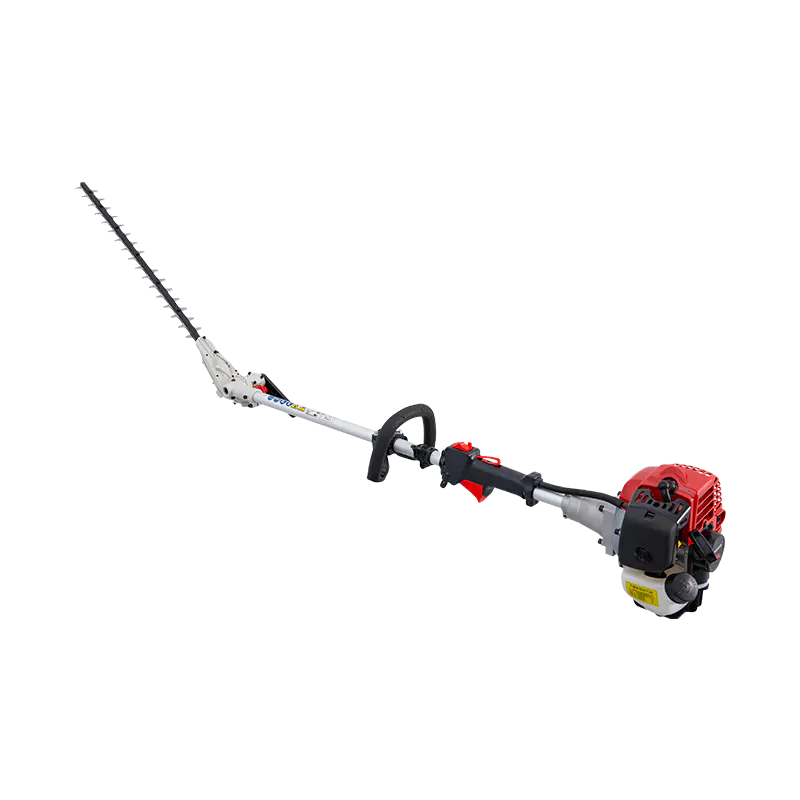
Line Feed Systems and Operating Mechanisms
String trimmers employ one of three primary line feed mechanisms to extend fresh cutting line as the working length deteriorates. Understanding how each system operates is essential for effective manual operation and maintenance.
Bump Feed System
The bump feed system is the most common mechanism found on consumer-grade trimmers. The operator taps the cutting head against the ground while the motor runs, which activates a spring-loaded ratchet that releases a predetermined length of line from the spool. This system gives the user direct control over line extension and is straightforward to repair when components wear out. The manual technique requires a firm but controlled tap on a flat surface, avoiding excessive force that could damage the head mechanism.
Automatic Feed System
Auto feed trimmers use an internal sensor or centrifugal mechanism that monitors line length and releases additional line automatically when the current length shortens below optimal cutting parameters. These systems eliminate the need for manual bumping, reducing operator fatigue and preventing accidental damage from improper tapping technique. The internal components gauge line length through tension changes or rotational speed variations, triggering feed without user intervention.
Command Feed and Fixed Line Systems
Some advanced models feature push-button command feed systems that extend line on demand without ground contact. Fixed-line systems use pre-cut lengths of line inserted into the head that are replaced entirely when worn, eliminating spool winding but requiring more frequent manual reloading. Each system demands specific manual techniques for optimal performance and longevity.
What a String Trimmer Is Used For
A string trimmer serves as the primary finishing tool for lawn maintenance, addressing areas that lawn mowers cannot access effectively. The tool performs two distinct functions: trimming vegetation in tight spaces and edging boundaries between lawn and hardscape surfaces.
Trimming Applications
Trimming involves cutting grass and weeds in areas where mower decks cannot reach, including around tree trunks, fence posts, garden beds, beneath decks, and along retaining walls. The flexible line navigates around obstacles without damaging wood, brick, or metal surfaces that would be scarred by rigid blades. String trimmers handle tall grass and weeds that might bog down standard lawn mowers, clearing overgrowth in ditches, slopes, and rough terrain where wheeled equipment cannot operate safely.
Edging and Boundary Definition
Edging creates clean, defined boundaries where lawn meets sidewalks, driveways, patios, and flower beds. By holding the trimmer vertically with the line perpendicular to the ground, the operator cuts a precise groove that separates grass from hard surfaces. This technique produces a professional appearance that enhances curb appeal. Most homeowners perform edging weekly during the growing season, with fast-growing grass varieties such as Bermudagrass requiring attention every two weeks to maintain crisp lines.
Specialized Clearing Tasks
Beyond routine lawn care, string trimmers clear light brush, overgrown ground cover, and vegetation along fence lines. Some models accept brush cutting attachments with metal blades for saplings and thick vines, though dedicated brush cutters are recommended for dense undergrowth. The versatility extends to pruning shrubs and hedges in tight corners where shears cannot reach, provided the operator uses appropriate line diameter and maintains controlled cutting speed.
Power Source Options and Performance Characteristics
String trimmers are available in three power configurations, each offering distinct advantages for different property sizes and maintenance requirements. Battery-powered models now outsell gas units in many markets due to improved lithium-ion technology and environmental considerations.
| Power Type | Runtime | Weight | Best Application |
|---|---|---|---|
| Gas-Powered | Unlimited with refueling | Heaviest | Large properties, heavy brush |
| Battery Cordless | 30-60 minutes | Light to moderate | Residential lawns, medium yards |
| Corded Electric | Unlimited with power | Lightest | Small yards near outlets |
Gas-Powered Trimmers
Gas string trimmers deliver maximum power for large properties and dense vegetation. Two-stroke engines require fuel-oil mixture at ratios specified by the manufacturer, typically ranging from 40:1 to 50:1. Four-stroke engines run on straight gasoline with separate oil reservoirs requiring periodic changes every 25 to 40 hours of operation. Gas models produce higher noise levels and emissions but remain essential for commercial landscaping and rural properties exceeding half an acre.
Battery-Powered Trimmers
Modern lithium-ion battery trimmers now match or exceed gas model cutting performance in many applications. Runtime typically spans 30 to 60 minutes on a single charge, with batteries recharging in approximately one hour. The instant-start capability, zero emissions, and reduced noise make battery models ideal for residential neighborhoods with noise restrictions. Many manufacturers offer battery platforms compatible with multiple tools including lawn mowers, hedge trimmers, and leaf blowers, reducing overall equipment costs.
Corded Electric Trimmers
Corded electric trimmers provide unlimited runtime for small properties where extension cords reach all trimming areas. These models are the lightest and most affordable option, making them suitable for elderly users or those with limited physical strength. The primary limitation is cord management, requiring 50 to 100 feet of heavy-duty extension cord and constant awareness to avoid cutting the power cable during operation.
Manual Operation Techniques and Best Practices
Proper manual operation of a string trimmer ensures clean cuts, operator safety, and equipment longevity. The technique varies between trimming and edging functions, requiring different body positioning and head orientation.
Trimming Technique
For general trimming, hold the trimmer with the cutting head parallel to the ground and the line spinning horizontally. Maintain a consistent cutting height by sweeping the head in a steady side-to-side motion, overlapping each pass slightly to ensure complete coverage. Keep the line at the optimal length by bumping the head against the ground when the cutting diameter decreases. Avoid pressing the head into the soil, which wastes line and creates bare patches in the lawn.
Edging Technique
To edge along sidewalks and driveways, rotate the trimmer head 90 degrees so the line spins vertically. Walk slowly along the boundary, allowing the line to cut a clean groove between grass and pavement. Some trimmers feature pivoting heads or dedicated edging wheels that support this orientation. Maintain a steady pace to prevent scalping the lawn edge while ensuring the cut reaches full depth for a defined appearance.
Safety Protocols
- Wear protective eyewear, gloves, long pants, and closed-toe boots to prevent injury from flying debris
- Use hearing protection with gas-powered models that generate noise exceeding 85 decibels
- Clear the work area of rocks, glass, and metal objects that could become dangerous projectiles
- Maintain a 15-foot minimum distance from bystanders, pets, and vehicles
- Never operate gas trimmers indoors or in enclosed spaces due to carbon monoxide and exhaust hazards
Maintenance and Line Replacement Procedures
Regular maintenance extends string trimmer life and ensures consistent cutting performance. Maintenance requirements differ between electric and gas-powered models, with gas units demanding more frequent attention to engine components.
Electric Trimmer Maintenance
Electric and battery trimmers require minimal maintenance beyond line replacement and periodic cleaning. Remove grass clippings from the head guard and shaft after each use to prevent buildup that could interfere with the feed mechanism. Inspect the line spool for cracks or damage when reloading, and replace worn components before they fail during operation. Store battery units with batteries removed and charged to approximately 50% capacity for extended storage periods.
Gas Trimmer Maintenance
Gas trimmers require systematic maintenance to ensure reliable starting and optimal engine performance. Use fresh fuel less than 30 days old, or treat fuel with stabilizer for extended storage. Clean or replace the air filter after every 10 hours of operation to prevent engine wear from dust ingestion. Inspect the spark plug annually for carbon buildup or electrode wear, replacing when starting becomes difficult or engine performance degrades. For four-stroke engines, check oil levels before each use and change oil after the initial 10 hours of break-in, then every 25 to 40 hours thereafter.
Line Replacement Procedure
- Disconnect power source or remove spark plug wire before servicing
- Remove the spool cap by pressing release tabs or unscrewing the retaining knob
- Extract the empty spool and clean debris from the head cavity
- Cut replacement line to the length specified in the manual, typically 10 to 25 feet
- Wind the line onto the spool in the direction indicated by the arrow molded into the spool body
- Thread line ends through the eyelets in the head housing
- Reinstall the spool and secure the cap firmly
Selecting the Right String Trimmer for Your Needs
Choosing an appropriate string trimmer requires evaluating property size, vegetation density, physical capability, and budget constraints. The following selection framework matches tool specifications to typical homeowner requirements.
Key Selection Factors
- Cutting Swath: Larger swaths of 15 inches or more speed up large-area trimming but reduce maneuverability in tight spaces
- Shaft Configuration: Straight shafts provide extended reach for tall users and access beneath shrubs; curved shafts offer lighter weight and easier handling for average-height operators
- Line Configuration: Dual-line heads cut faster and handle dense vegetation better than single-line alternatives, though restringing is more complex
- Weight and Balance: Models under 10 pounds reduce fatigue during extended use; adjustable shafts accommodate different operator heights
- Attachment Compatibility: Multi-tool systems accept edger blades, brush cutters, pole saws, and hedge trimmers for expanded functionality
For properties under a quarter acre with primarily grass trimming needs, a cordless battery trimmer with a 12 to 14 inch cutting swath provides adequate performance. Larger properties or areas with thick weeds and brush demand gas-powered models with 25cc or larger engines and heavy-duty line. Users with physical limitations should prioritize lightweight electric models with ergonomic handles and minimal vibration.