English
 Español
Content
Equipment Categories and Primary Applications
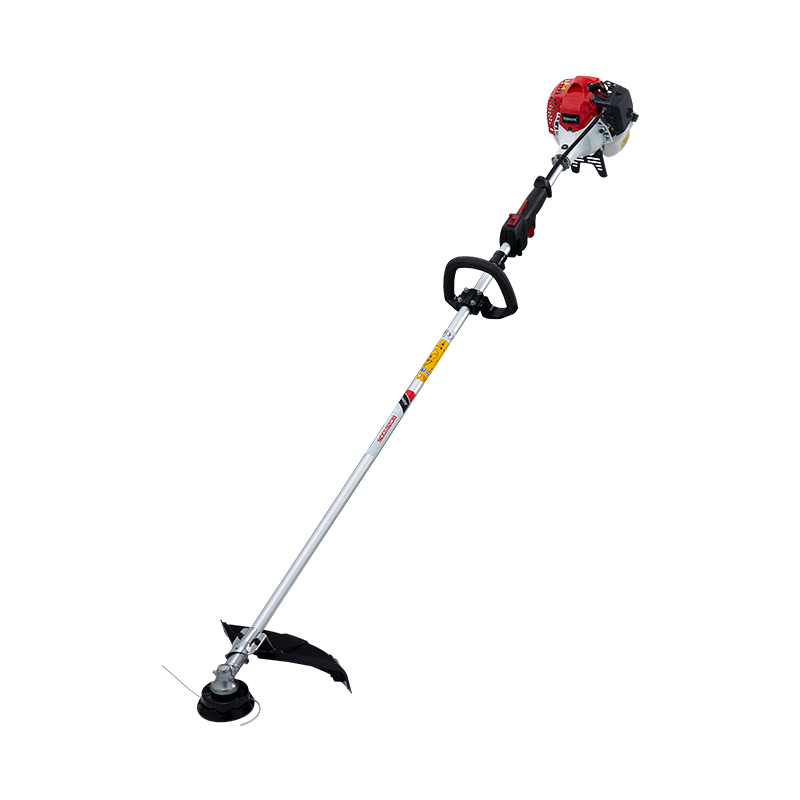
Brush cutters and rotary cutters serve distinct vegetation management functions across handheld, walk-behind, and tractor-mounted configurations. Handheld brush cutters utilize 25-40 mm diameter cutting heads with nylon line or metal blades for grass and light brush to 20 mm diameter, while 28 mm and 60 mm rotary cutters describe blade formats for fabric crafting unrelated to vegetation management. The 4-foot rotary cutter refers to tractor-mounted agricultural equipment with 1.2-meter cutting swaths for pasture and roadside maintenance. Understanding these categorical distinctions prevents equipment selection errors and ensures appropriate tool deployment for clearing tasks ranging from lawn edging to heavy brush field restoration.
The global brush cutter market exceeds $2.3 billion annually, with agricultural and landscaping applications driving demand for gasoline-powered handheld units and tractor PTO (power take-off) rotary mowers. Fabric rotary cutters represent a separate $180 million crafting market with no functional overlap despite similar terminology.
Brush Cutter Handheld Systems and Cutting Heads
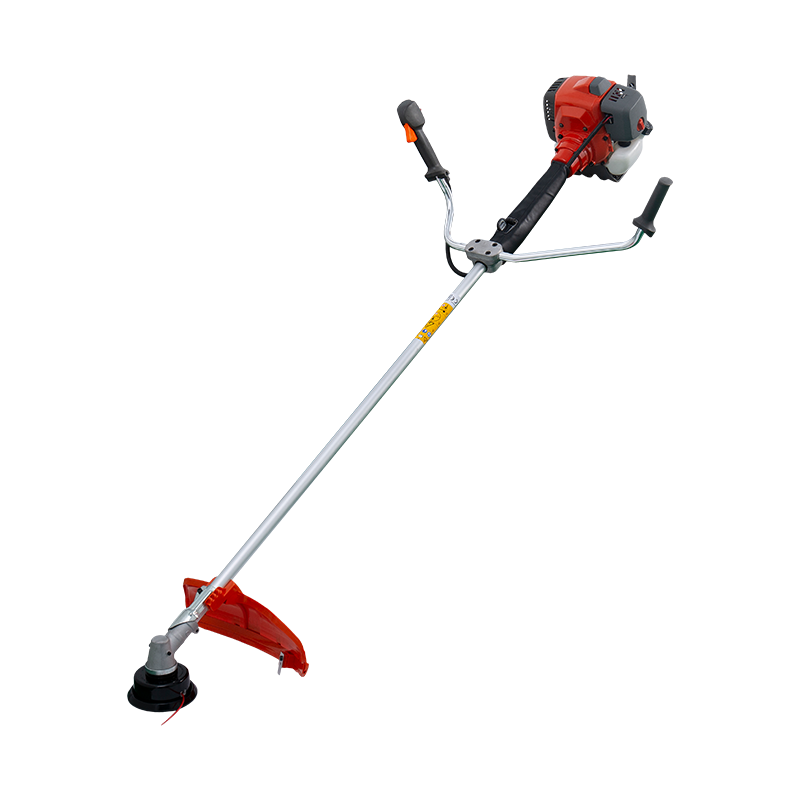
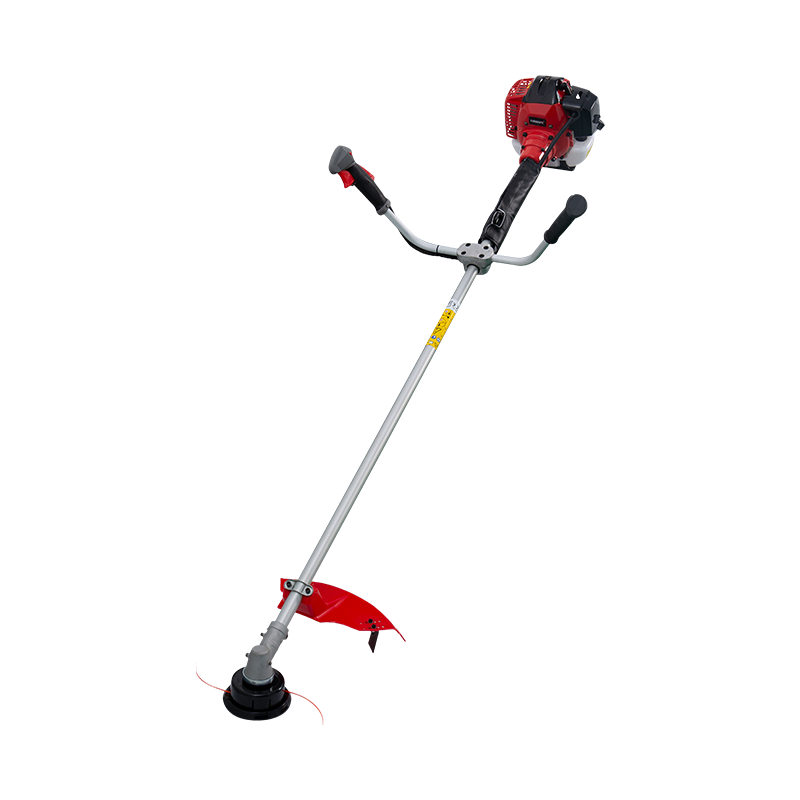
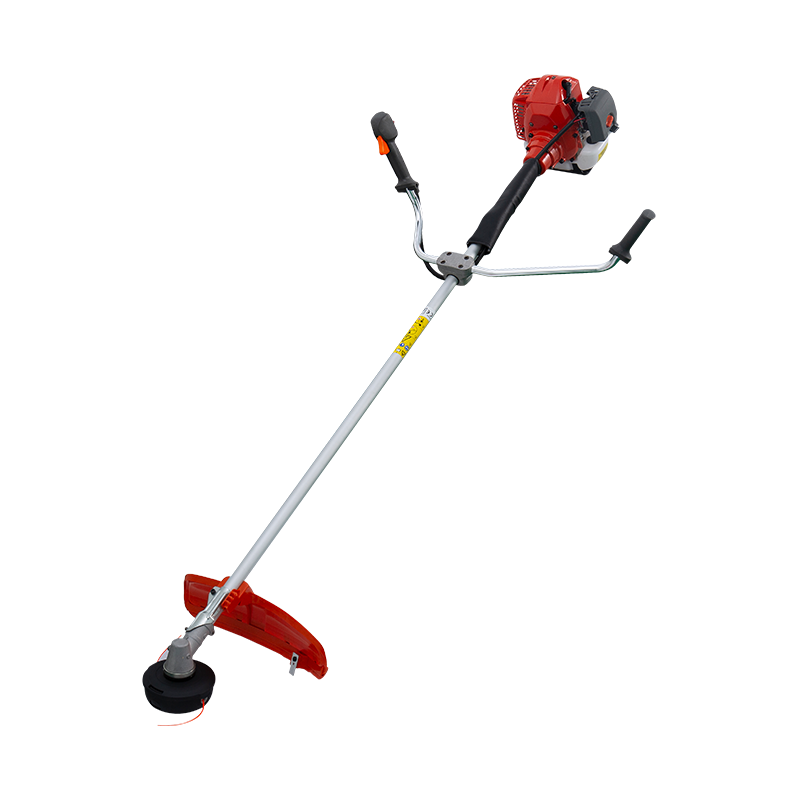
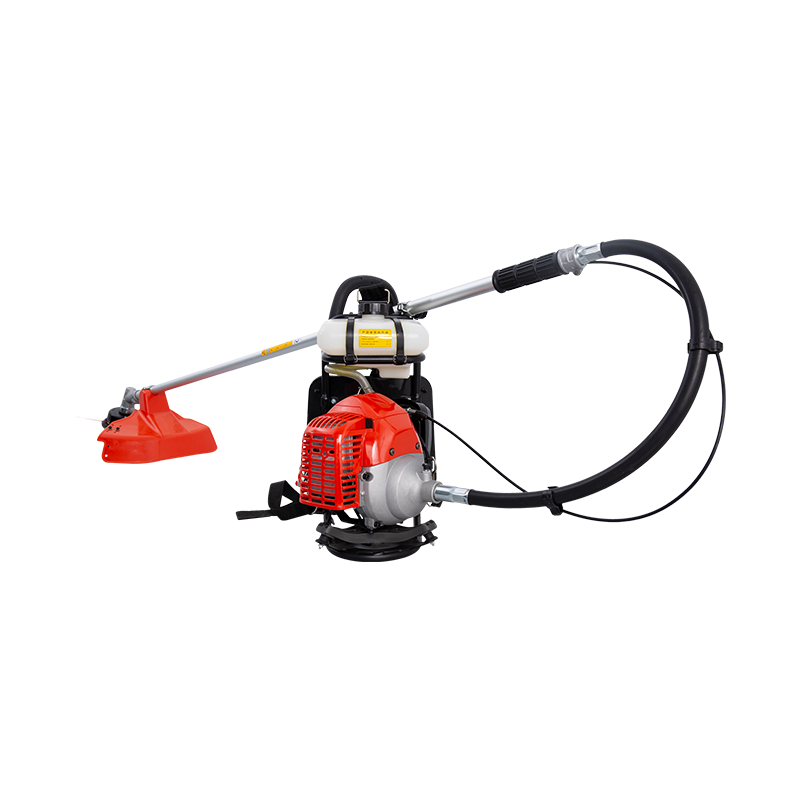
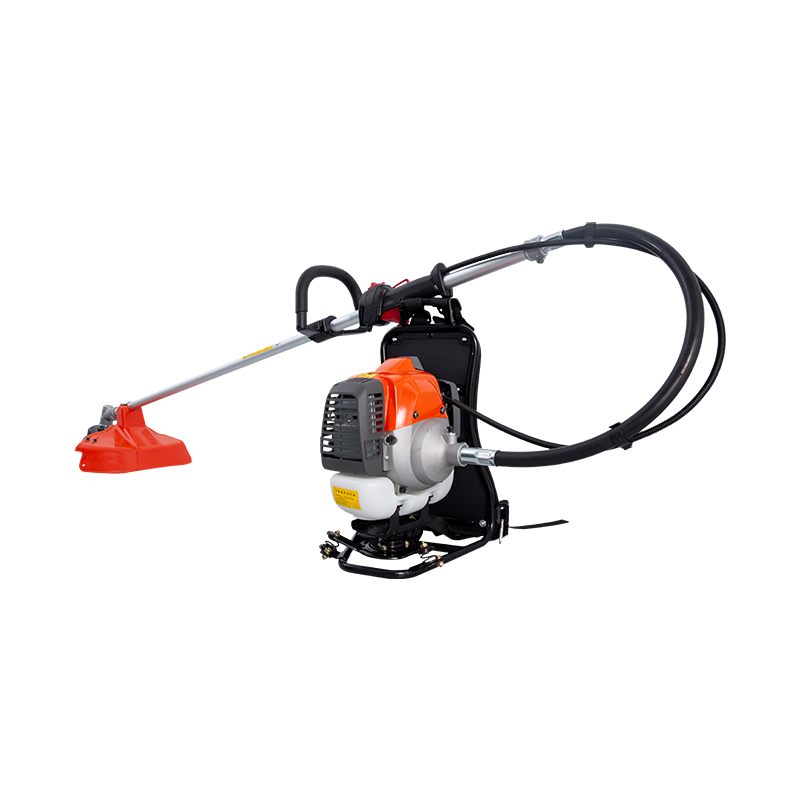
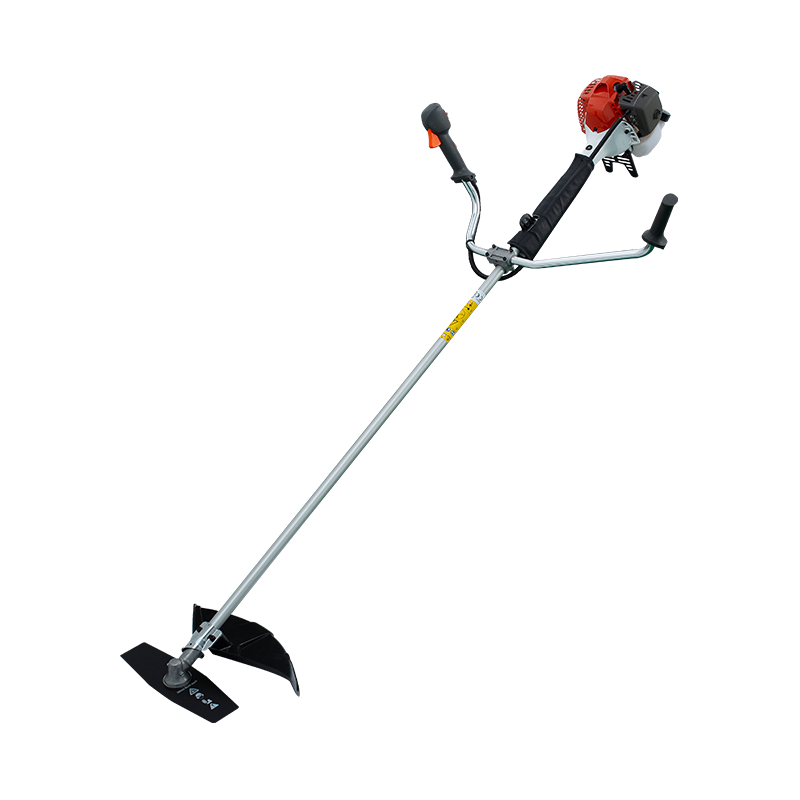
Handheld brush cutters combine engine power with interchangeable cutting systems for vegetation types from lawn grass to woody saplings.
Engine Specifications and Power Delivery
Professional brush cutters utilize two-stroke engines of 25-50 cc displacement delivering 0.8-2.5 kW power output at 7,000-9,000 RPM. Four-stroke alternatives offer reduced emissions and fuel consumption at 15-20% weight penalties. Shaft drive systems (rigid or flexible) transmit power to cutting heads with rotational speeds of 10,000-12,000 RPM generating 50-80 m/s tip velocity for clean severance of fibrous vegetation.
Vibration isolation systems reduce hand-arm vibration below 2.5 m/s² for 8-hour exposure limits per EU Directive 2002/44/EC, utilizing elastomer dampers and counterweight systems. Weight distribution balances at 5-7 kilograms total mass with ergonomic handlebar or bicycle-style grips.
Cutting Head Configurations
Nylon line heads (bump feed or automatic) suit grass and soft weeds with line diameters of 2.0-3.5 mm in round, square, or twisted profiles. Metal blade attachments include 2-tooth, 3-tooth, or 8-tooth steel discs (200-255 mm diameter) for brush to 40 mm diameter, and circular saw blades with 40-80 carbide-tipped teeth for woody vegetation. Blade mounting utilizes M10 or M12 arbor threads with left-hand rotation preventing loosening during operation.
Tractor-Mounted Rotary Cutters and 4-Foot Models
Agricultural rotary cutters attach to three-point hitch systems and PTO shafts for mechanized clearing of pastures, roadsides, and conservation areas.
4-Foot Cutter Specifications and Performance
The 4-foot (1.22-meter) rotary cutter represents a standard compact category suitable for tractors of 15-35 horsepower. Cutting decks utilize 7-gauge (3.7 mm) or 10-gauge (3.2 mm) welded steel construction with side skirts containing debris. Rotary blades (two per deck typical) measure 610 mm length x 50 mm width x 6 mm thickness with lift/twist profiles creating suction for standing vegetation.
PTO input speeds of 540 RPM (standard) or 1,000 RPM (optional) drive gearboxes achieving blade tip speeds of 45-55 m/s for effective cutting to 25 mm material diameter. Slip clutches or shear bolt protections prevent driveline damage from immovable object strikes.
Blade Materials and Maintenance
Rotary cutter blades utilize spring steel (C1075 or 6150) heat-treated to 45-50 HRC balancing hardness with impact resistance. Hardfacing weld deposits on cutting edges extend service life 3-4 times in abrasive soil conditions. Blade replacement intervals range from 50-100 hours in rocky terrain to 200+ hours in clean pasture applications.
| Cutter Type | Cutting Width | Power Requirement | Max Material Diameter | Primary Application |
|---|---|---|---|---|
| Handheld brush cutter | 250-400 mm | 0.8-2.5 kW | 40 mm | Lawn edges, light brush |
| 4-foot rotary cutter | 1.22 m | 15-35 HP | 25 mm | Small pastures, trails |
| 5-foot rotary cutter | 1.52 m | 25-50 HP | 40 mm | Medium fields, roadsides |
| 6-foot rotary cutter | 1.83 m | 40-65 HP | 50 mm | Large pastures, conservation |
Fabric Rotary Cutters: 28mm and 60mm Formats
The 28 mm and 60 mm rotary cutter terminology applies exclusively to fabric crafting tools with no vegetation cutting function, requiring clear categorical separation.
Crafting Tool Specifications
Fabric rotary cutters utilize circular blades of 28 mm or 60 mm diameter with 0.3-0.5 mm thickness and 45-60 degree bevel angles for clean fiber severance. These tools operate at hand-powered rotation speeds below 1 m/s tip velocity, with blade materials (420J2 stainless or SK5 tool steel) optimized for textile cutting rather than vegetation abrasion. The 28 mm format suits detailed quilting curves with 3 mm minimum radius, while 60 mm cutters handle multiple fabric layers to 12 mm thickness.
Confusion between fabric and vegetation cutters arises from shared terminology, but functional interchangeability is zero due to divergent blade geometry, safety systems, and mechanical power requirements. Attempting vegetation clearing with fabric cutters risks blade fracture and personal injury.
Safety Systems and Operational Protocols
Vegetation cutting equipment incorporates multiple safety layers addressing projectile hazards, mechanical failures, and operator protection.
Brush Cutter Safety Equipment
Handheld brush cutters require OSHA-compliant protection including face shields (ANSI Z87.1), hearing protection (NRR 25+ dB), cut-resistant leg protection (chainsaw chaps), and steel-toe boots. Debris guards (nylon or metal) contain 90%+ of thrown objects, with maximum throw distances of 15-20 meters at 90-degree blade orientations. Anti-vibration gloves reduce hand-arm vibration syndrome risk during extended operation.
Tractor Cutter Safety Features
PTO rotary cutters incorporate shielded drivelines, stump jumpers (blade pan discs preventing obstacle contact), and chain or rubber rear debris guards. ROPS (rollover protective structure) equipped tractors are mandatory for slope operation above 15 degrees. Blade retention utilizes grade 8.8 bolts torqued to 150-200 Nm with nylon insert lock nuts preventing loosening.
Equipment selection between brush cutters, 4-foot rotary cutters, and fabric rotary cutters depends entirely on application context. Vegetation management requires engine-powered systems with appropriate blade materials and safety infrastructure, while fabric cutting demands precision hand tools with no interchangeability between categories.