English
 Español
Content
- 1 Hedge Trimmers Explained: How They Work, Power Types, and Choosing One for Tall Hedges
- 2
- 3 What Is a Hedge Trimmer and How Does It Work?
- 4 Electric, Battery, Cordless, and Gas Hedge Trimmers Compared
- 5 Long Reach and Pole Hedge Trimmers for Tall Hedges
- 6 Choosing the Right Hedge Trimmer
- 7 Basic Care and Safe Handling
Garden Power Tools
Hedge Trimmers Explained: How They Work, Power Types, and Choosing One for Tall Hedges
A hedge trimmer is built around one simple mechanism — a set of reciprocating blades driven by a motor — but the power source, blade length, and reach behind that mechanism vary enough that picking the wrong type can turn a quick trim into a slow, awkward job.
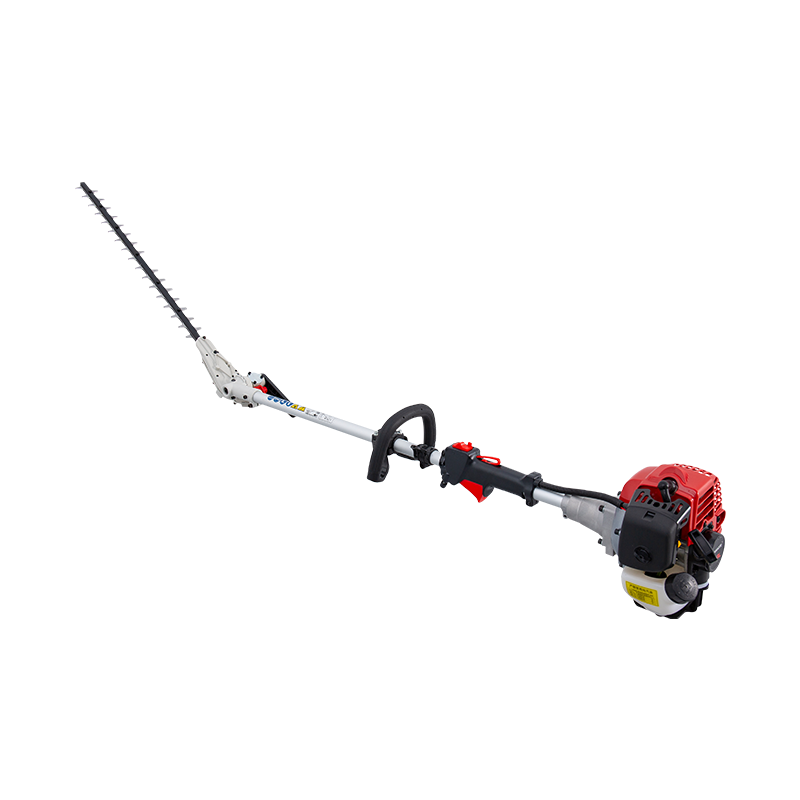
What Is a Hedge Trimmer and How Does It Work?
A hedge trimmer is a power tool designed to cut and shape hedges, shrubs, and small branches using a set of long, serrated blades that move rapidly back and forth against each other. The cutting action works like a pair of scissors repeated hundreds of times per minute: as the blades slide past one another, foliage caught between the serrated teeth is sheared cleanly rather than torn, which is what gives a well-maintained hedge its even, finished appearance compared to hand shears.
Inside the housing, a motor — electric, battery, or gas-powered depending on the model — drives a crank or gear mechanism connected to the blade assembly, converting rotational motor movement into the linear back-and-forth motion of the blades. Blade spacing (the gap between the serrated teeth) determines the maximum branch thickness the trimmer can cut cleanly; wider tooth spacing generally handles thicker growth, while finer spacing gives a neater finish on soft new growth and leafy hedges.
Motor Drive
An electric, battery, or gas motor powers a crank mechanism connected to the blade assembly.
Reciprocating Blades
Two serrated blades slide rapidly back and forth against each other, shearing foliage caught between the teeth.
Cutting Pass
The user guides the blade bar along the hedge surface, with blade length and tooth spacing determining cut width and finish quality.
Electric, Battery, Cordless, and Gas Hedge Trimmers Compared
Power source is usually the first decision to make, since it affects weight, runtime, noise, and how much the trimmer can realistically handle in a single session. Corded electric hedge trimmers offer consistent power and low maintenance as long as the hedge is within reach of an outlet and extension cord, making them a solid choice for smaller gardens with hedges close to the house. Battery-powered cordless hedge trimmers trade a small amount of raw power for freedom of movement, letting users work anywhere in the yard without managing a cord, though runtime is limited by battery capacity and heavier use may require a spare battery on hand.
Gas hedge trimmers deliver the most sustained power and the longest working range without needing a power outlet or battery recharge, which makes them the common choice for larger properties, thicker growth, or extended commercial use. That extra power comes with added weight, engine maintenance, and higher noise and vibration levels compared to electric or battery models.
| Type | Best For | Trade-off |
|---|---|---|
| Corded electric | Smaller gardens near a power outlet | Limited by cord length and outlet access |
| Battery/cordless | Mid-size gardens, cord-free convenience | Runtime limited by battery charge |
| Gas-powered | Large properties, thick or extended growth | Heavier, louder, requires engine maintenance |
Power type comparison for hedge trimmers
Long Reach and Pole Hedge Trimmers for Tall Hedges
Standard hedge trimmers are designed to be used at roughly shoulder height or below, which becomes a problem — and a safety concern — once a hedge grows taller than a person can comfortably and safely reach while standing on the ground. A long reach or pole hedge trimmer solves this by mounting the cutting head on an extendable pole, letting the blades reach several feet higher without a ladder.
Most pole hedge trimmers also include an adjustable or pivoting cutting head, which angles the blades to cut the top of a tall hedge horizontally while the user stands safely on the ground below. This combination of extended reach and adjustable head angle is what makes pole trimmers the practical choice for tall hedges, screening rows, and any hedge shape that would otherwise require working from a ladder with a standard trimmer.
Choosing the Right Hedge Trimmer
Blade length
Longer blades cover more area per pass, speeding up large hedges, while shorter blades offer more control on detailed shaping.
Tooth spacing
Wider spacing cuts thicker branches; finer spacing gives a cleaner finish on soft, leafy growth.
Weight and balance
Lighter trimmers reduce fatigue during extended sessions, especially for pole or overhead use.
Reach requirements
Standard trimmers suit hedges at or below shoulder height; taller hedges call for a pole or long reach model.
Basic Care and Safe Handling
- Keep blades clean and lightly oiled — sap and debris buildup increases cutting resistance and motor strain over time
- Inspect blades before each use — chipped or bent teeth reduce cut quality and can increase kickback risk
- Wear appropriate protective gear — gloves and eye protection are standard practice when operating any power trimmer
- Keep the cutting area clear — bystanders and pets should stay well clear of the blade's working radius during operation
- Store trimmers with the blade cover attached — protects both the blades and anyone reaching into a storage area