English
 Español
Content
- 1 What Is a Gas Brush Cutter
- 2 Heavy Duty, Professional, and Commercial Brush Cutters: What Sets Them Apart
- 3 2-Stroke vs. 4-Stroke Brush Cutter Engines
- 4 Brush Cutter Applications and Land Clearing
- 5 Brush Cutter Cutting Blade Types
- 6 Brush Cutter Attachments
- 7 Key Gas Brush Cutter Features to Look For
- 8 How to Choose a Brush Cutter: Selection Guide
What Is a Gas Brush Cutter
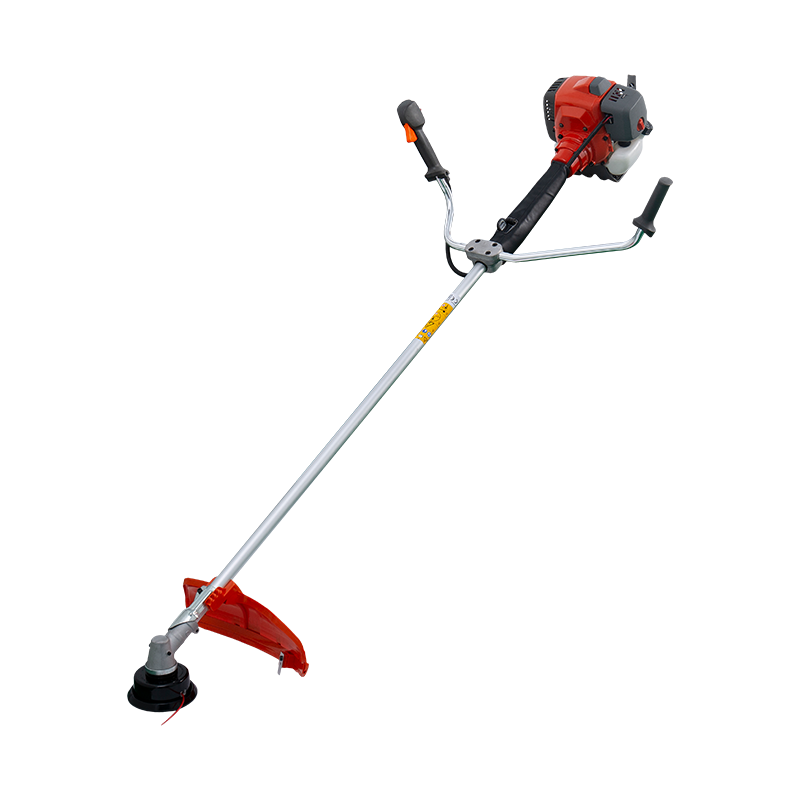
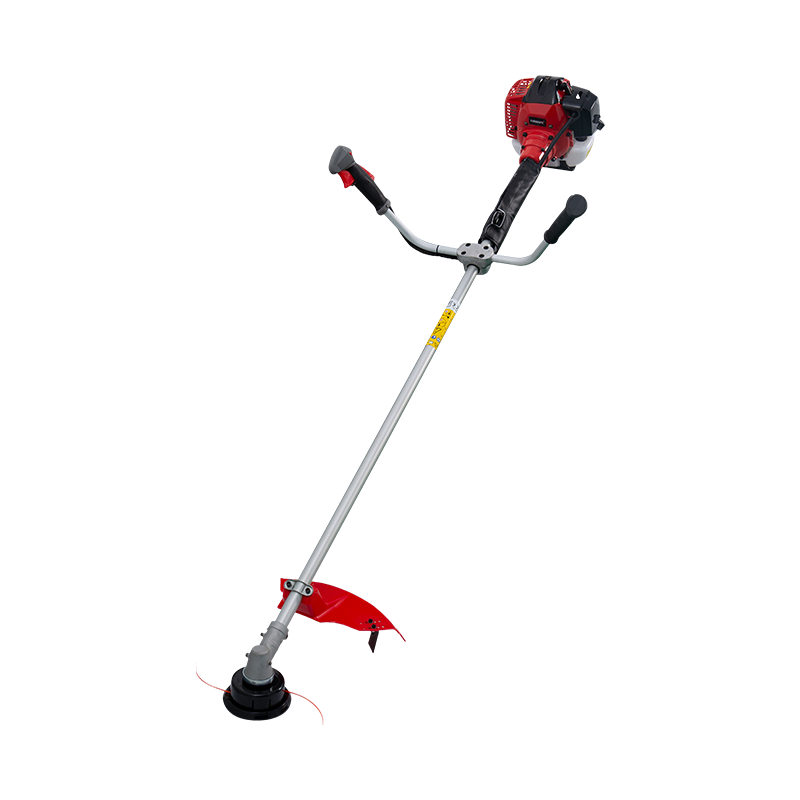
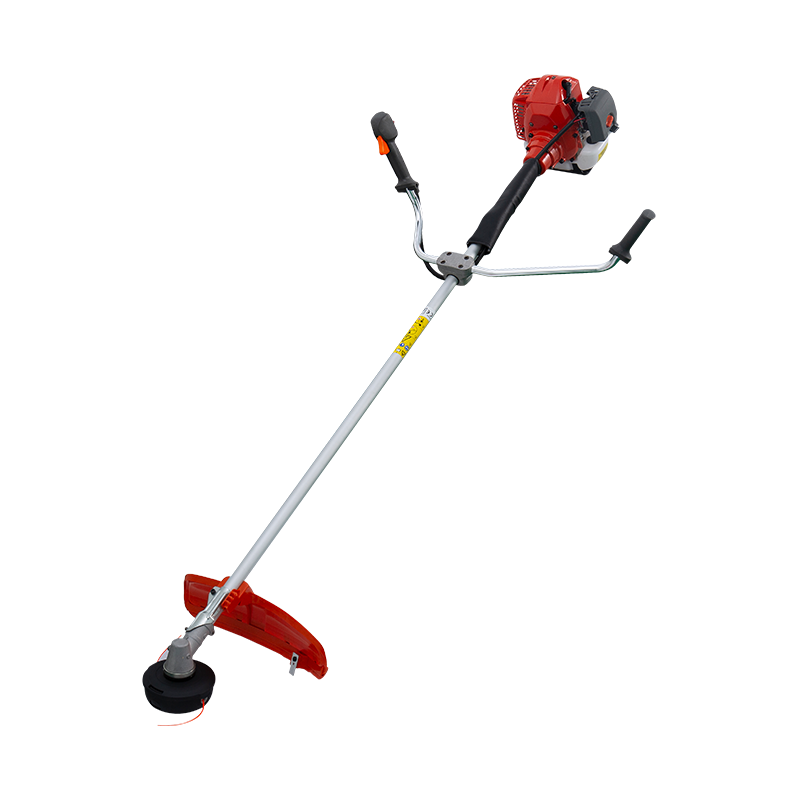
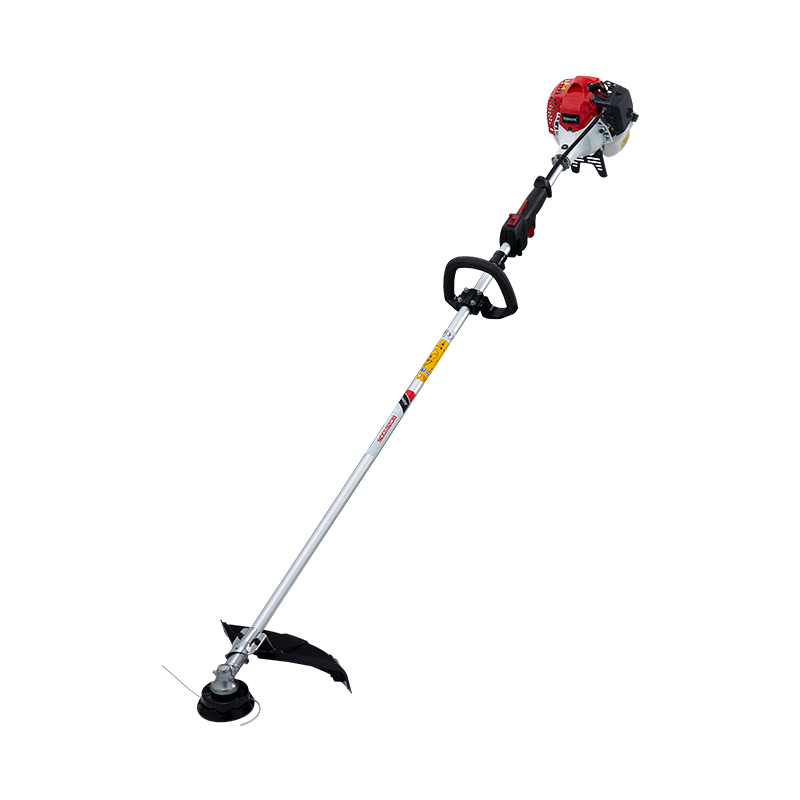
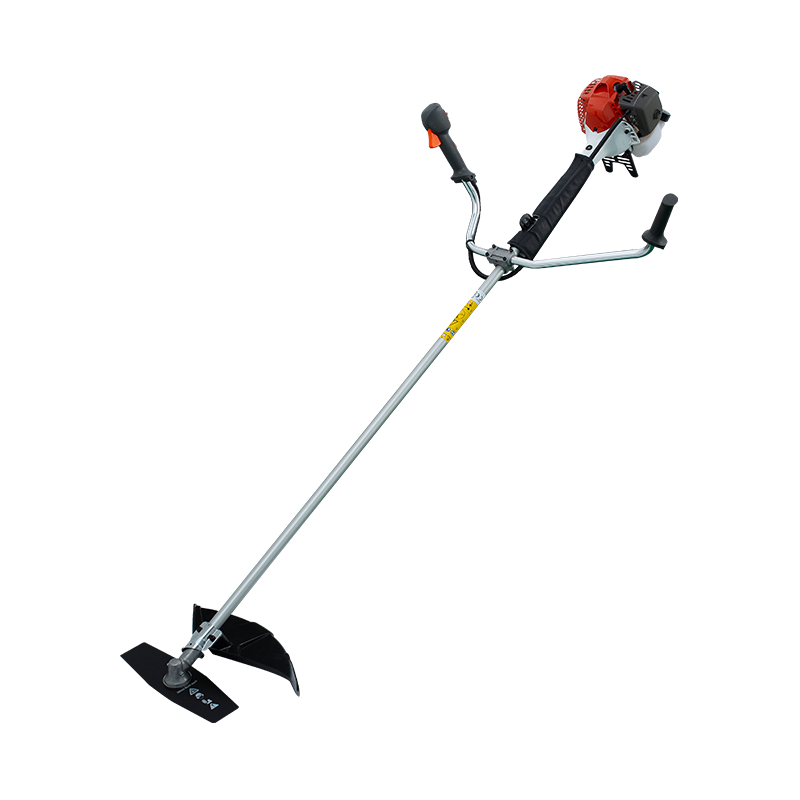
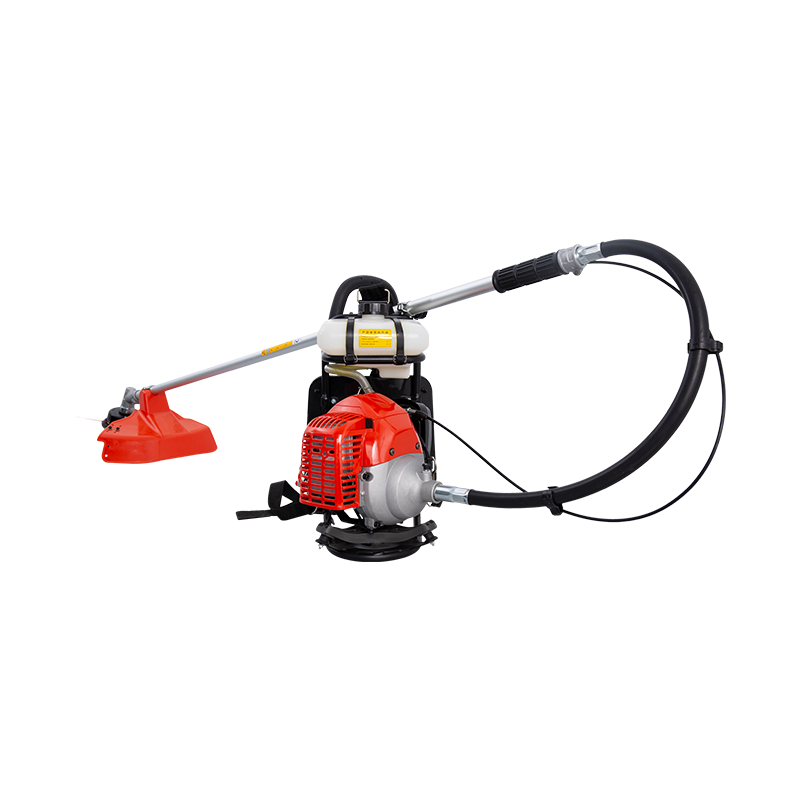
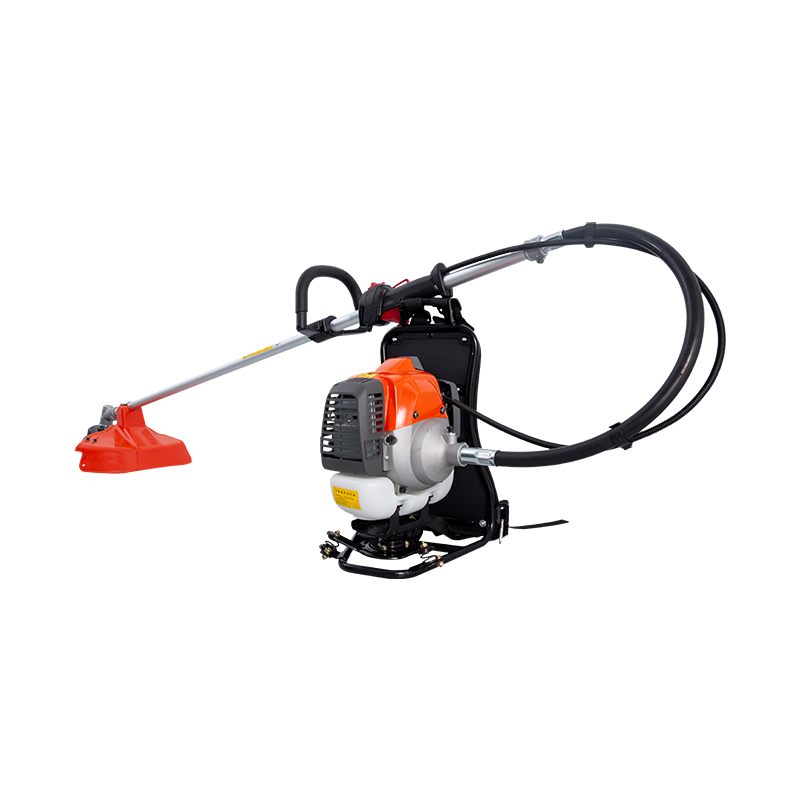
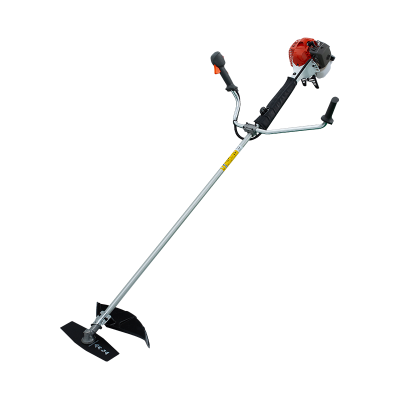
A gas brush cutter is a handheld or backpack-mounted cutting tool powered by a small internal combustion engine, built to cut through thick brush, saplings, tall weeds, and dense vegetation that a standard string trimmer can't handle. Unlike electric or battery-powered trimmers, gas powered brush cutters rely on a two- or four-stroke engine to spin a rigid metal or high-strength blade rather than flexible trimmer line, which is what gives them the cutting force needed for woody stems and dense growth.
The core advantage gas power offers over battery or corded alternatives is sustained cutting torque and unlimited runtime as long as fuel is available — brush cutting is demanding, continuous-load work, and gas engines maintain consistent power output through thick material in a way that battery-powered units, which are more prone to power drop-off under heavy load, generally can't match at a comparable price point.
Heavy Duty, Professional, and Commercial Brush Cutters: What Sets Them Apart
These three terms overlap heavily in marketing but generally point to the same underlying distinction: build quality and duty cycle rating rather than a fundamentally different cutting technology. A heavy duty brush cutter is built with a larger displacement engine, reinforced drive shaft, and more robust gearbox than a homeowner-grade unit, specifically to handle sustained cutting through thicker material without overheating or premature wear.
Professional brush cutters and commercial brush cutters take this further, rated for daily, all-day use rather than occasional weekend jobs — landscaping crews, utility right-of-way maintenance, and land management contractors need equipment that can run for hours at a stretch across multiple job sites without the accelerated wear a consumer-grade unit would experience under that duty cycle. This typically shows up in a few concrete specifications: higher-displacement engines, forged rather than cast internal components, more robust air filtration to handle continuous dusty conditions, and centrifugal clutch designs built for extended engagement rather than intermittent use.
The practical takeaway for buyers is that "heavy duty," "professional," and "commercial" labeling is a reasonably reliable signal of build quality tier, but it's still worth checking actual displacement, engine construction, and manufacturer duty-cycle rating rather than assuming the label alone guarantees a specific level of durability, since these terms aren't governed by a strict industry standard.
2-Stroke vs. 4-Stroke Brush Cutter Engines
Engine type is one of the most consequential specifications when comparing units, since it affects weight, maintenance, fuel handling, and how the tool performs at different cutting angles:
| Factor | 2-Stroke | 4-Stroke |
|---|---|---|
| Fuel | Pre-mixed gas and oil | Straight gasoline, separate oil reservoir |
| Weight | Lighter, fewer internal components | Heavier due to additional valvetrain and oil system |
| Power-to-weight ratio | Higher; strong for its size | Lower, but smoother and more efficient power delivery |
| Any-angle operation | Runs reliably at any tilt angle | Can have lubrication issues at extreme angles depending on design |
| Emissions and fuel use | Less fuel-efficient, higher emissions | More fuel-efficient, lower emissions |
A 2 stroke gas brush cutter remains a common choice for professional users specifically because of its power-to-weight advantage and reliable operation at any cutting angle, which matters when working on slopes or reaching under low branches. A 4 stroke brush cutter tends to appeal more to buyers prioritizing fuel economy and lower long-term running noise over raw power density, and the elimination of pre-mixing fuel is a genuine convenience advantage for less frequent users.
Brush Cutter Applications and Land Clearing
Common brush cutter applications span both routine maintenance and heavier one-time clearing work: overgrown lot maintenance, roadside and right-of-way vegetation control, trail clearing, fence line maintenance, and general property upkeep where growth is too thick or woody for a standard string trimmer.
Brush cutter for land clearing use cases represent the higher end of this range — clearing overgrown lots before construction, reclaiming long-neglected land, or cutting through sapling growth and woody brush that requires a rigid blade rather than trimmer line to cut through cleanly. This is generally where heavier-duty, higher-displacement units earn their cost premium, since underpowered equipment struggles and wears out faster when pushed into genuine land-clearing conditions rather than routine trimming.
Brush Cutter Cutting Blade Types
Blade selection has as much impact on cutting performance as the engine itself, and matching blade type to material is one of the most overlooked factors in getting good results. Brush cutter cutting blades types generally fall into a few categories:
- 2-tooth and 3-tooth brush blades — general-purpose blades suited to grass, weeds, and light brush; the low tooth count reduces the chance of jamming in tangled growth.
- 4-tooth and 8-tooth blades — provide a finer cut and are better suited to slightly thicker brush and small saplings than basic 2- or 3-tooth designs.
- Circular saw-tooth blades — designed specifically for cutting small to medium woody saplings and dense brush, with fine teeth similar to a saw blade rather than a chopping-style brush blade.
- Trimmer line heads — not a rigid blade at all, but a common attachment swap for lighter grass and weed trimming when the job doesn't need a blade's cutting force.
Using an undersized blade on material it wasn't designed for is a common cause of both poor cutting results and premature blade or gearbox wear — a fine-tooth grass blade forced through woody saplings will dull quickly and can bind dangerously, while an aggressive saw-tooth blade is overkill and less efficient for simple grass and light weed maintenance.
Brush Cutter Attachments
Many gas brush cutter platforms are built around a shared power head and drive shaft that accepts interchangeable brush cutter attachments, extending the tool's usefulness well beyond cutting alone. Common attachments include edging blades for defining lawn borders, hedge trimmer attachments for shaping shrubs, pole saw attachments for reaching overhead branches, and cultivator or tiller attachments for light soil work.
This multi-attachment approach is a meaningful value consideration for buyers weighing a brush cutter against buying several separate single-purpose tools — one engine and drive shaft serving multiple functions reduces both upfront cost and the storage and maintenance burden of owning multiple gas-powered tools, though it's worth confirming attachment compatibility across a specific brand's power head lineup before assuming universal interchangeability.
Key Gas Brush Cutter Features to Look For
Beyond engine type and displacement, a handful of gas brush cutter features make a meaningful difference in day-to-day usability and long-term reliability:
- Harness system — a padded shoulder or full-body harness distributes the tool's weight during extended use, which matters significantly for all-day professional work versus occasional short jobs.
- Anti-vibration mounting — dampens engine vibration transferred to the handles, reducing operator fatigue and long-term strain from extended use.
- Blade guard design — a properly sized guard both protects the operator from debris and, on many models, is required for the tool to meet safety certification standards.
- Straight vs. split shaft design — split-shaft models allow quick attachment swaps without tools, while straight-shaft designs are generally more rigid and durable for continuous heavy cutting.
- Easy-start systems — reduced-effort recoil starters or primer bulbs that make starting the engine less physically demanding, particularly valuable for repeated starts across a workday.
How to Choose a Brush Cutter: Selection Guide
Working through how to choose a brush cutter — or following a broader brush cutter selection guide — comes down to matching a few core decisions against actual job requirements rather than simply buying the highest-displacement model available:
- Assess the vegetation type — grass and weeds need far less cutting force than woody saplings and dense brush, which directly informs both engine size and blade selection.
- Estimate duty cycle — occasional homeowner use, regular property maintenance, and daily commercial work each justify a different build-quality tier, since underbuying for heavy daily use leads to premature failure.
- Choose engine type based on priorities — 2-stroke for maximum power-to-weight and any-angle reliability, 4-stroke for fuel efficiency and simpler fueling.
- Confirm attachment compatibility — if multi-tool versatility matters, verify the power head's attachment ecosystem before committing to a specific brand.
- Weigh ergonomics for actual use duration — a harness system and anti-vibration handles matter far more for someone running the tool for hours than for occasional short sessions.
Matching the tool to duty cycle is generally the single factor buyers get wrong most often — it's common to underestimate how quickly a homeowner-grade unit wears out under regular heavy use, or conversely to overspend on commercial-grade equipment for occasional light maintenance where a much simpler unit would have been entirely sufficient.