English
 Español
Content
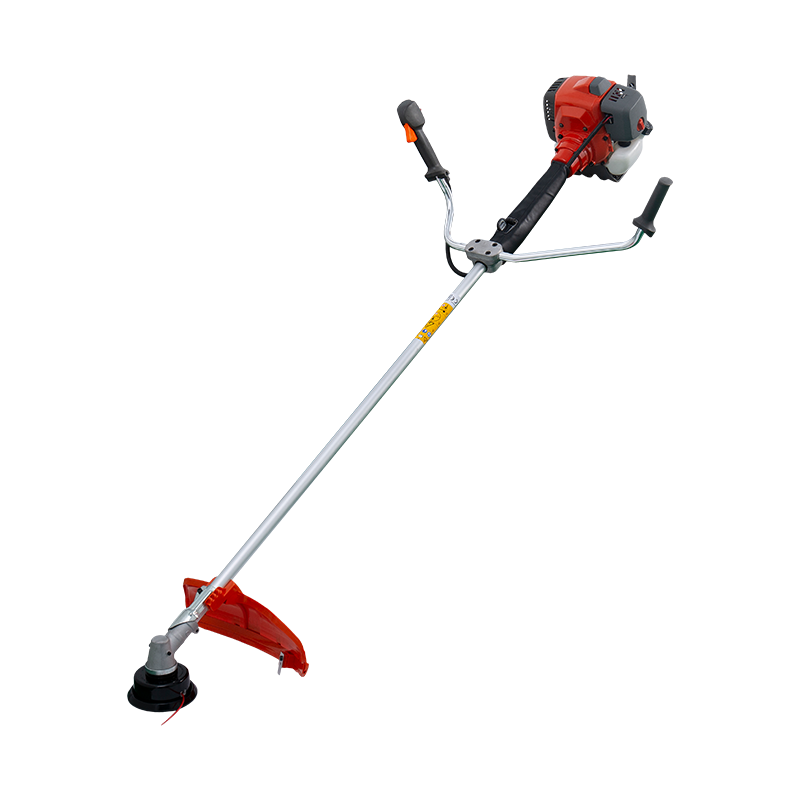
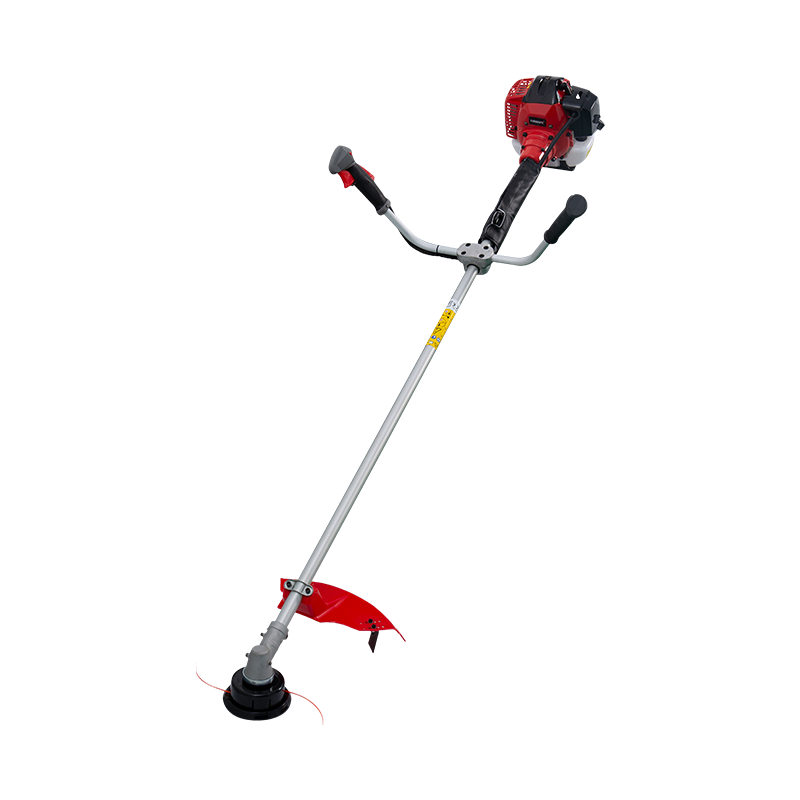
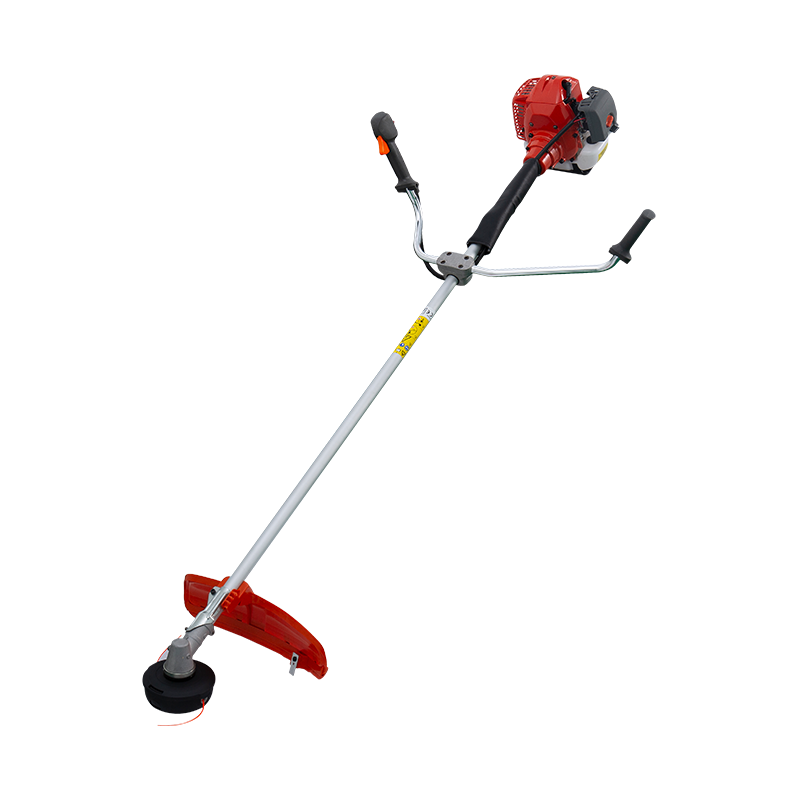
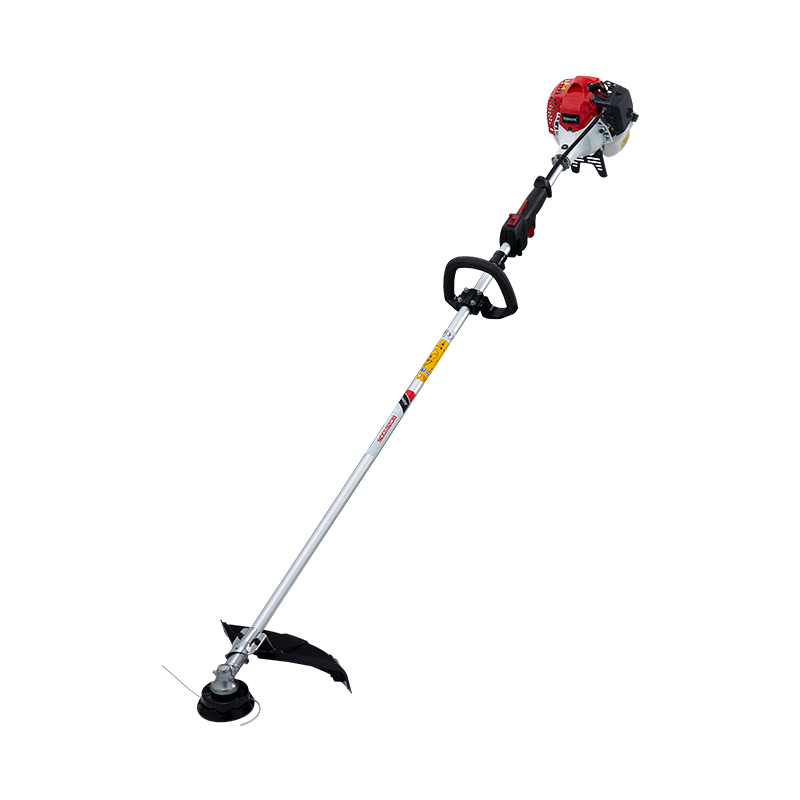
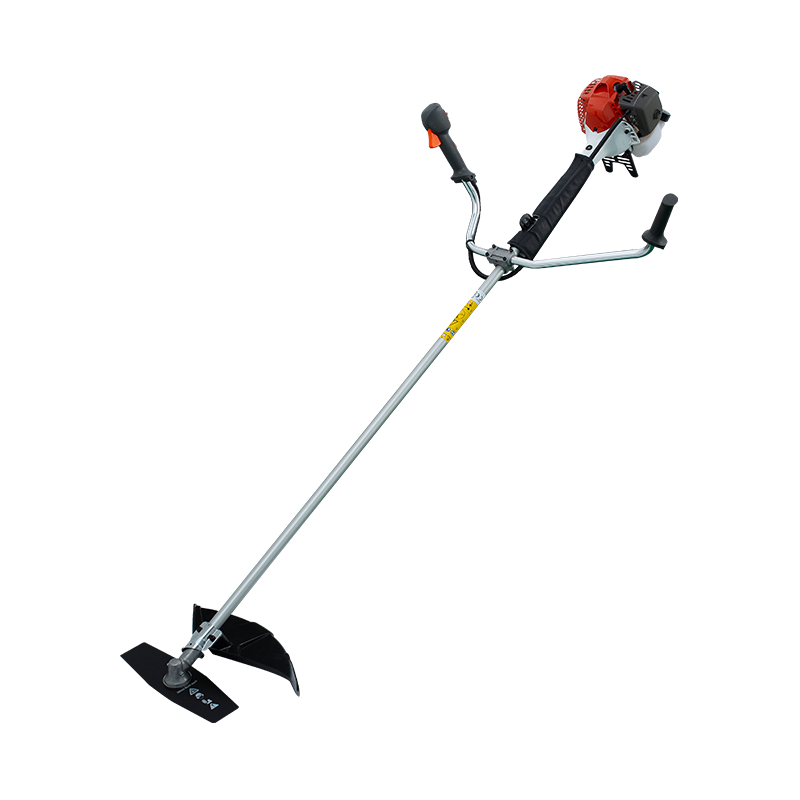
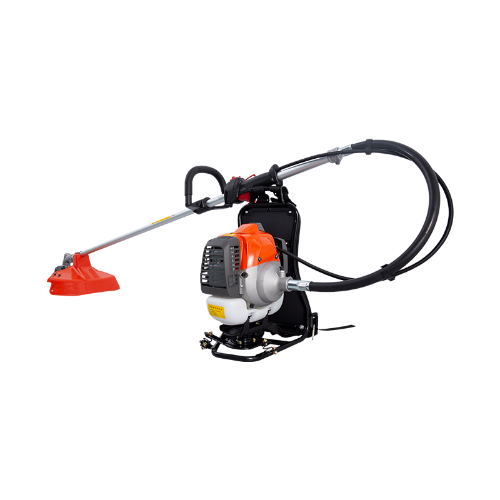
A true heavy brush cutter is defined by its engine displacement of at least 50cc, a straight steel drive shaft, and the use of a solid steel blade rather than nylon line. This configuration enables it to clear saplings up to 4 inches in diameter and dense, woody undergrowth that would destroy a standard string trimmer. The best machines combine a 2-stroke engine delivering over 2.5 horsepower with an anti-vibration system to allow continuous operation for hours without operator fatigue.
Engine Displacement and Power Output Demands
The engine is the heart of a heavy brush cutter and must generate enough torque to spin a heavy blade through thick material without bogging down. Displacement is the most reliable indicator of clearing capability. The table below outlines the relationship between engine size and the type of vegetation it can handle.
| Engine Displacement | Power Output (approx.) | Maximum Cutting Capacity | Suitable Application |
|---|---|---|---|
| 30cc to 40cc | 1.5 to 2.0 hp | Grass, light weeds, 1-inch saplings | Homeowner property maintenance |
| 40cc to 50cc | 2.0 to 2.5 hp | Dense brush, 2-inch saplings | Semi-professional land clearing |
| 50cc to 65cc | 2.5 to 3.5 hp | Woody brush, 4-inch saplings | Commercial forestry and firebreak work |
| 65cc and above | 3.5 hp and up | Small trees, heavy-duty clearing | Extreme land reclamation |
A heavy brush cutter in the 50cc class provides the optimal balance between weight and power for most commercial users. It can run an 8-inch or 10-inch blade at high RPM without excessive fuel consumption, typically burning through 0.7 to 0.9 liters of mixed fuel per hour under full load.
Blade Types and Their Specific Uses
The cutting head on a heavy brush cutter is not a universal tool. Selecting the wrong blade type reduces efficiency and increases the risk of kickback. Three primary blade designs cover the full spectrum of clearing tasks.
- Circular saw blade with carbide tips: The most aggressive option, designed for cutting woody stems and saplings up to 4 inches thick. The carbide teeth maintain sharpness for up to 50 hours of cutting and can be resharpened. This blade must only be used on a heavy brush cutter with a blade guard and a harness capable of controlling the torque reaction.
- 3-blade or 4-blade steel grass blade: A stamped steel blade with blunt cutting edges that rely on high speed to shred thick grass, reeds, and light brush. It is not suitable for wood thicker than a pencil. The blade thickness of 2.5 mm to 3 mm provides enough inertia to slice through wet, fibrous material without stalling.
- Brush knife blade: A solid steel disk sharpened around its entire circumference, similar to a chisel edge. It cuts on both the forward and return stroke and is effective against dense, tangled vines and brambles that would wrap around a toothed blade.
A heavy brush cutter should be equipped with a blade that matches the primary vegetation. Carrying a second blade type and swapping it in the field takes less than 5 minutes with the included wrench and locking pin.
Straight Shaft Versus Curved Shaft Construction
A heavy brush cutter always uses a straight steel drive shaft enclosed in a rigid aluminum tube. The straight shaft transmits power through a solid steel rod running on sealed bearings, which can handle the high torque loads generated by a 50cc engine and a steel blade without flexing or failing. Curved-shaft trimmers use a flexible cable drive that is not rated for blade use and will snap under the stress of heavy brush cutting within minutes.
The straight shaft also provides a longer reach, allowing the operator to cut brush on slopes or under fences without leaning into the vegetation. A shaft length of 1,500 mm to 1,800 mm is standard, keeping the blade safely away from the operator's legs and feet.
Harness Systems and Operator Safety Gear
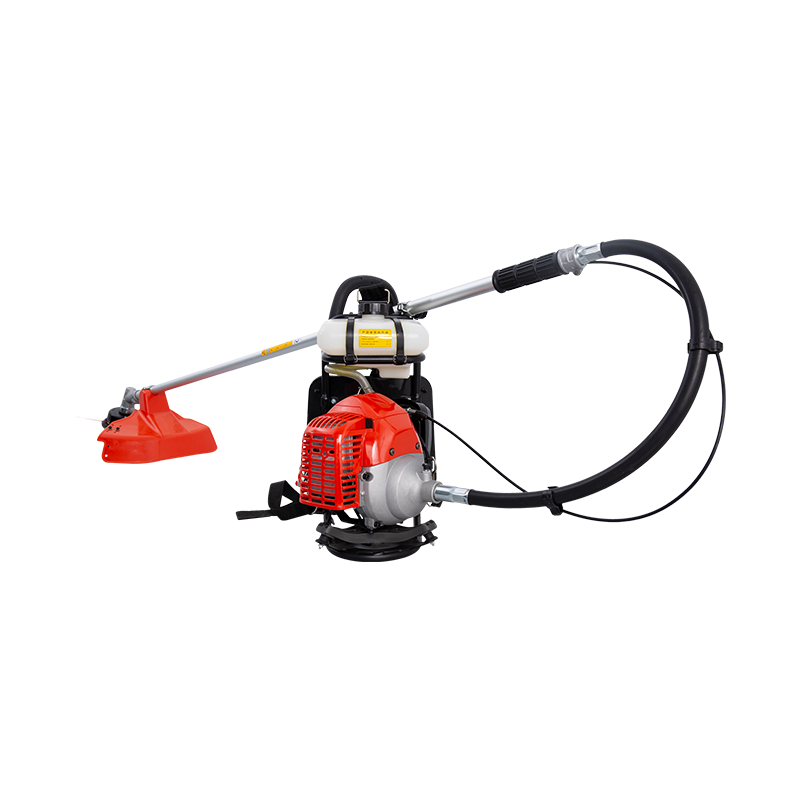
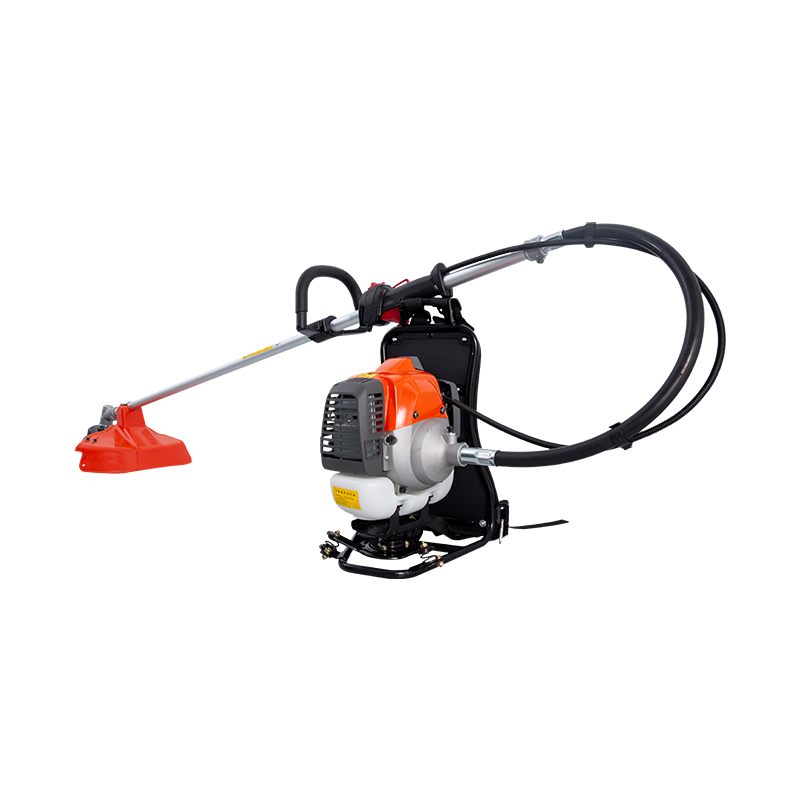
A heavy brush cutter weighing over 10 kg cannot be controlled with arm strength alone. A full-body harness with a quick-release mechanism is mandatory. The harness transfers the machine's weight to the operator's shoulders and hips, while a rigid connector bar holds the machine at a fixed distance from the body. This setup allows the operator to swing the cutter in a controlled arc using hip rotation, not arm muscle.
The minimum personal protective equipment for operating a heavy brush cutter includes a forestry helmet with a full face shield and ear defenders rated for a noise level of 100 dB(A), cut-resistant leg protection, and steel-toe boots with a non-slip sole. Gloves with a vibration-damping palm pad reduce the transmission of high-frequency vibration that can cause white finger syndrome after prolonged use.
Fuel Mix, Maintenance, and Long-Term Durability
A 2-stroke heavy brush cutter runs on a mixture of gasoline and high-quality 2-stroke oil. The correct ratio is typically 50:1 using a synthetic oil that meets JASO FD or ISO-L-EGD standards. Using an insufficient oil mix or cheap mineral oil leads to carbon buildup on the piston crown and exhaust port, reducing compression and making the engine hard to start after only one season of use.
The maintenance schedule for a heavy brush cutter in commercial service is based on operating hours. The air filter must be cleaned every 8 hours of operation and replaced if torn. The spark plug should be inspected and gapped to 0.6 mm to 0.7 mm every 25 hours. The gear head at the blade end must be repacked with lithium-based grease every 30 hours to prevent bearing seizure. A machine that follows this schedule will deliver over 500 hours of productive life before the piston rings and cylinder plating require attention.
Starting Technique and Common Carburetor Issues
A high-compression heavy brush cutter requires a specific starting sequence to avoid flooding the engine. With the choke fully closed, the starter cord should be pulled only 2 to 3 times until the engine fires briefly. The choke is then moved to the half-open position, and the engine should start on the next pull. Continuing to pull the starter with the choke closed floods the combustion chamber and wets the spark plug.
If the engine idles but dies when the throttle is opened, the main jet in the carburetor is partially blocked by varnish from old fuel. This condition accounts for over 60 percent of all heavy brush cutter service visits. The fix is to remove the carburetor, clean the main jet with a thin wire or solvent, and flush the fuel tank before refilling with fresh pre-mixed fuel. Storing the machine with ethanol-free fuel or adding a fuel stabilizer prevents this problem entirely.