English
 Español
Content
Brush Cutter vs String Trimmer
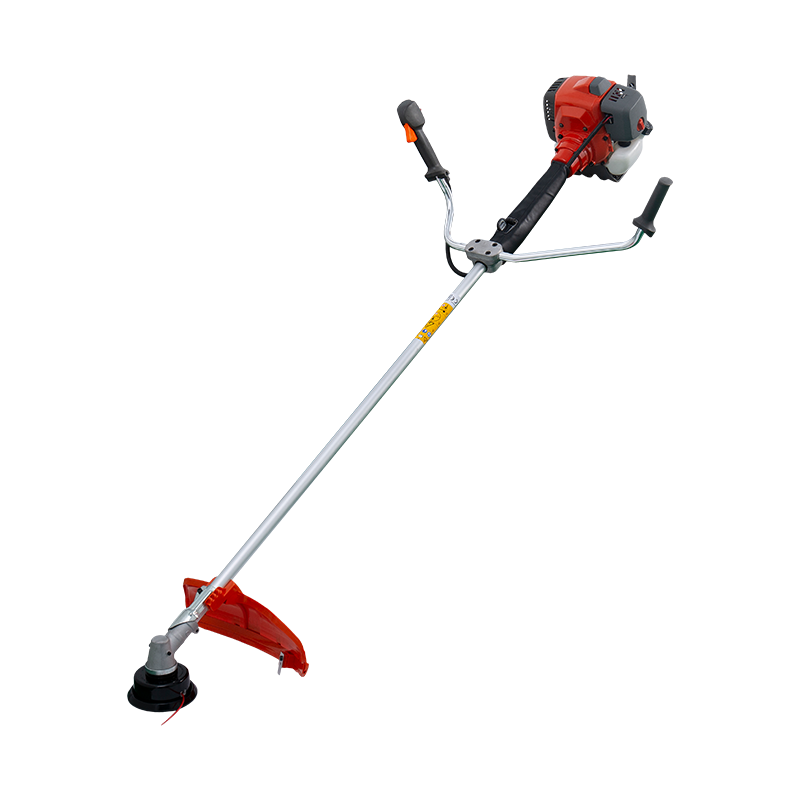
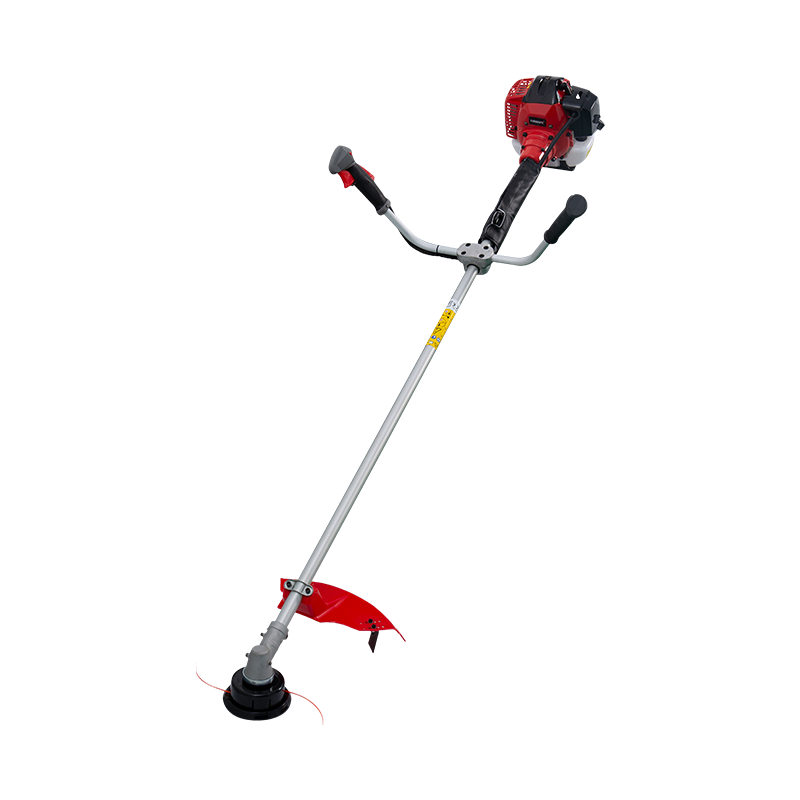
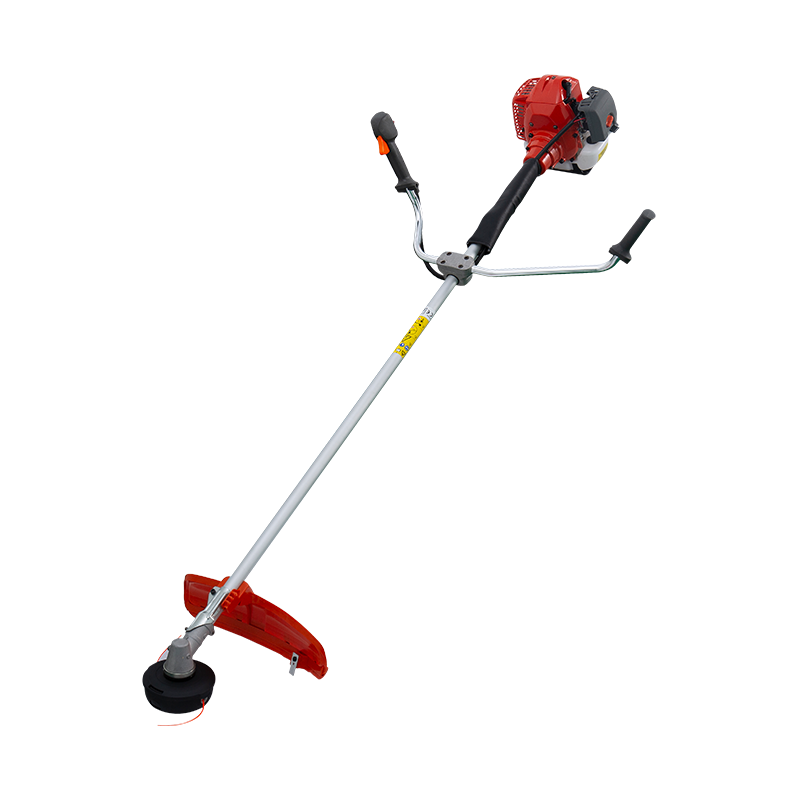
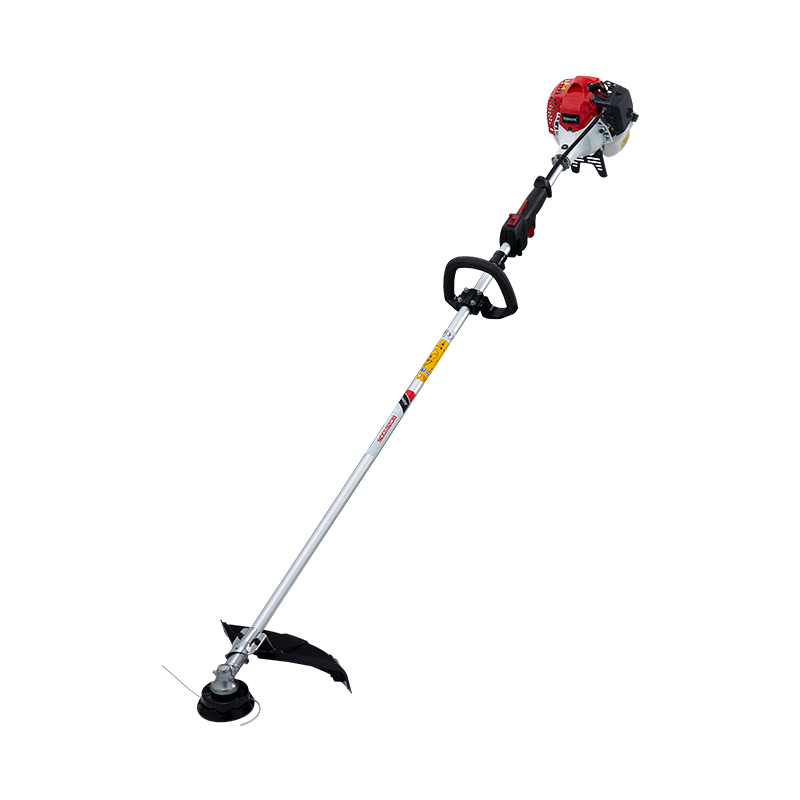
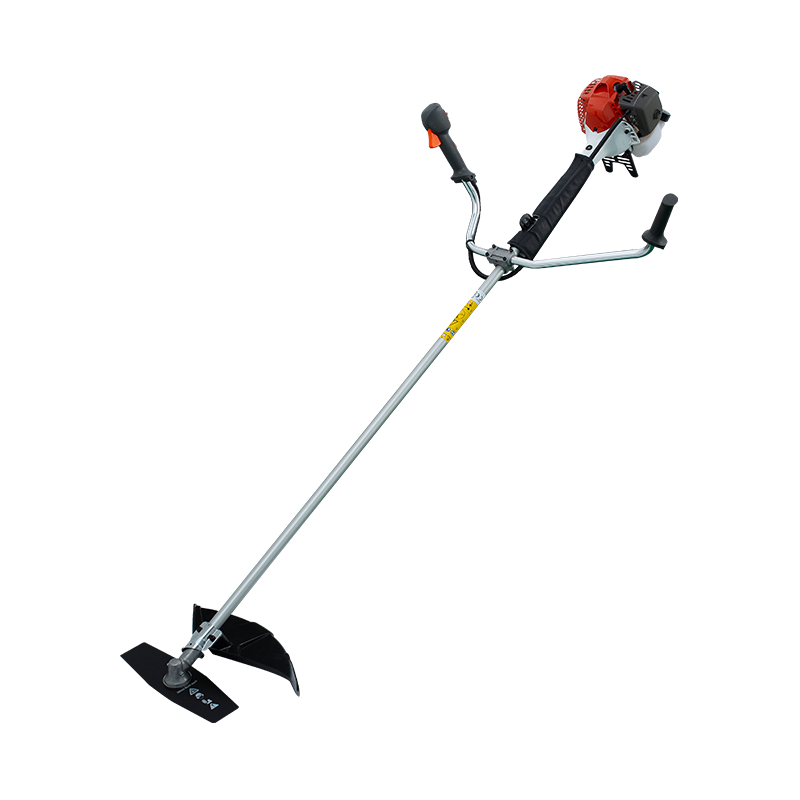
A brush cutter uses a rigid metal or heavy-duty plastic blade instead of flexible nylon line, giving it the cutting power to handle thick weeds, saplings, brambles, and small woody growth that would stall or shred a string trimmer's line. A string trimmer (weed eater) uses fast-spinning nylon line, which works well on grass and light weeds but bogs down or breaks quickly against anything with real stem thickness.
| Factor | Brush Cutter | String Trimmer |
|---|---|---|
| Cutting element | Rigid metal or heavy plastic blade | Flexible nylon line |
| Best for | Thick weeds, brush, saplings, dense overgrowth | Grass, light weeds, precision edging |
| Weight | Heavier, more engine/motor power | Lighter, easier to maneuver |
| Precision near obstacles | Lower, blade poses more risk near hard objects | Higher, line flexes around fences/trees safely |
Brush cutters and string trimmers compared for common yard maintenance tasks.
Some machines are sold as combination units that accept both a blade attachment and a trimmer head, letting one tool switch between the two roles depending on the job at hand.
Brush Cutter Uses
- Clearing overgrown lots — cutting through tall weeds, brambles, and dense vegetation on vacant land or neglected yard areas.
- Trail and property line maintenance — keeping walking paths, fence lines, and property boundaries clear of encroaching brush.
- Sapling and small woody growth removal — cutting through young trees and woody stems that a string trimmer can't handle.
- Agricultural and orchard edge maintenance — clearing vegetation along field edges, irrigation ditches, and around agricultural equipment access points.
- Post-storm or seasonal cleanup — clearing fallen brush and rapid seasonal growth that accumulates faster than routine mowing can manage.
How to Choose a Brush Cutter
- Match power source and engine/motor size to the density of growth being cleared — light weed clearing needs less power than cutting saplings or thick brush.
- Consider the area size and job frequency, since larger properties and regular heavy-duty use generally justify a gas model's extended runtime over a battery model's charge-limited sessions.
- Check blade compatibility and included blade type, confirming the machine accepts the blade style needed for the target vegetation (grass blades, brush blades, or saw-tooth blades for woody growth).
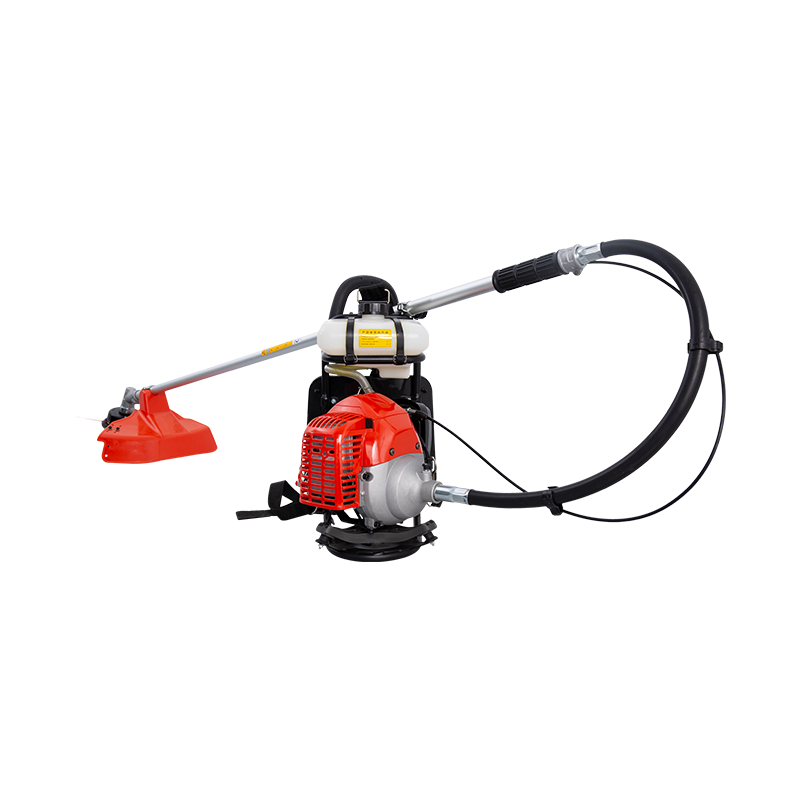
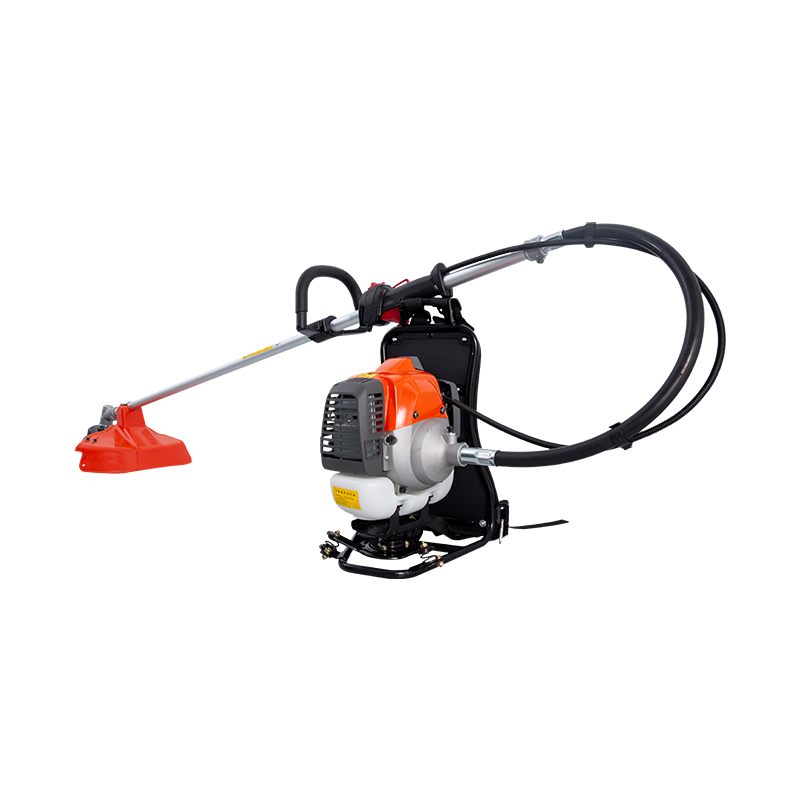
- Evaluate weight and harness/handle design, especially for extended use, since a heavier machine without a proper shoulder harness becomes fatiguing quickly during long sessions.
- Confirm safety features are present, including a blade guard, engine kill switch positioned for quick access, and, where applicable, anti-vibration handle mounts.
Gas vs Battery Brush Cutter
| Factor | Gas Brush Cutter | Battery Brush Cutter |
|---|---|---|
| Runtime | Extended, limited only by fuel supply | Fixed by battery charge, typically 30-60+ min per charge |
| Power for heavy brush | Generally higher, better for dense/woody growth | Improving, but often lower peak power than gas |
| Maintenance | Fuel mixing, air filter, spark plug upkeep | Minimal, mainly battery care |
| Noise and emissions | Louder, produces exhaust emissions | Quieter, no direct emissions |
Gas and battery brush cutters compared across common decision factors.
Gas models remain the standard for large properties, dense brush, and all-day professional use, where extended runtime and peak power matter most. Battery models have become increasingly capable for residential and moderate-duty use, offering a lighter, quieter, lower-maintenance option for smaller jobs.
Brush Cutter Blades Guide
Blade type should match the vegetation being cut, since using the wrong blade both underperforms and increases wear and kickback risk.
- 2-tooth or 3-tooth brush blades — general-purpose blades suited to weeds and light-to-medium brush, offering a balance of cutting speed and control.
- 4-tooth or 8-tooth blades — more teeth generally means a smoother cut with less vibration, suited to slightly denser growth than a 2-3 tooth blade.
- Saw-tooth (circular saw style) blades — designed for cutting saplings and small woody stems, with aggressive teeth built for wood rather than soft vegetation.
- Grass blades — thinner, more flexible blades optimized for tall grass and light weeds rather than woody material.
Blade diameter and center bore size must also match the specific brush cutter model, since mismatched mounting hardware compromises both cutting performance and operator safety.
Heavy Duty Brush Cutter for Thick Grass and Dense Growth
For thick grass, dense brush, or overgrown lots, a heavy duty brush cutter with a higher-displacement engine (or higher-voltage battery system) and a saw-tooth or multi-tooth blade generally performs best. These machines are built with reinforced gearboxes and drive shafts to handle sustained resistance from thick material without overheating or stalling, unlike lighter-duty trimmers pressed into brush-clearing work they weren't designed for.
When clearing especially dense or tall growth, working in controlled, deliberate passes — rather than trying to clear the full height and density in one motion — reduces strain on the machine and gives the operator better control over blade contact with hidden obstacles like rocks, fencing, or debris within the vegetation.
Brush Cutter Safety Tips
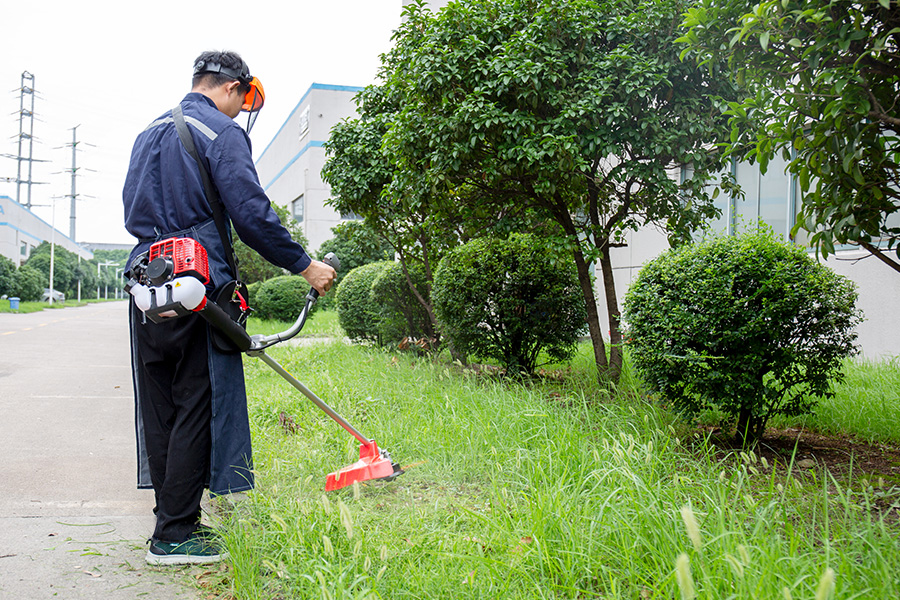
- Wear appropriate personal protective equipment: eye protection, hearing protection, sturdy closed-toe boots, gloves, and long pants, since blade-based cutters throw debris with more force than string trimmers.
- Inspect the work area before starting, clearing visible rocks, wire, and debris that could cause blade kickback on contact.
- Keep a firm two-handed grip and stable footing at all times, since rigid blades transmit more resistance force back to the operator than flexible trimmer line.
- Maintain a clear distance from bystanders and pets while operating, given the greater range and force of debris thrown by a blade versus a string trimmer.
- Always engage the blade guard and confirm it's correctly positioned before starting the machine, and never operate with a damaged, cracked, or improperly mounted blade.
- Follow the manufacturer's manual for specific starting procedure, shutdown procedure, and any model-specific safety interlocks before first use.
How to Sharpen Brush Cutter Blades
- Disconnect the spark plug (gas models) or remove the battery (battery models) before touching the blade, to prevent accidental startup during sharpening.
- Remove the blade from the cutting head following the manufacturer's instructions, noting orientation for reinstallation.
- Secure the blade in a vise or stable clamp to keep it steady while sharpening.
- Use a flat file or angle grinder to sharpen each cutting edge at the blade's original bevel angle, working in one direction per stroke rather than back-and-forth sawing motions.
- Sharpen each tooth or edge evenly to maintain the blade's balance; an unevenly sharpened blade can cause vibration and uneven wear once reinstalled.
- Check for cracks, excessive wear, or bent teeth during sharpening, and replace the blade rather than continuing to sharpen it if damage is present.
Brush Cutter Maintenance
- Clean debris and plant residue from the blade, guard, and gearbox housing after each use to prevent buildup that can affect cutting performance.
- Check and change gearbox grease per the manufacturer's schedule, since dry or contaminated gearbox grease accelerates internal wear.
- For gas models, service or replace the air filter, spark plug, and fuel filter on the intervals specified in the owner's manual, and use fresh, properly mixed fuel to avoid carburetor issues.
- For battery models, store batteries at the manufacturer's recommended charge level and temperature range during off-season storage to preserve battery capacity.
- Inspect the drive shaft, harness, and all fasteners periodically, tightening or replacing worn components before they fail during operation.
- Store the machine in a dry location with the blade guard in place to protect the blade edge and prevent corrosion between uses.