English
 Español
Content
- 1 The Core Purpose: Clearing Dense, Woody Vegetation That Other Tools Cannot Handle
- 2 The Fundamental Difference Between a Brush Cutter and a Weedeater: Blade vs. String
- 3 Gas vs. Electric Brush Cutters: Power, Runtime, and the Maintenance Equation
- 4 Situational Selection Factors That Determine Which Power Source Is Better
The Core Purpose: Clearing Dense, Woody Vegetation That Other Tools Cannot Handle
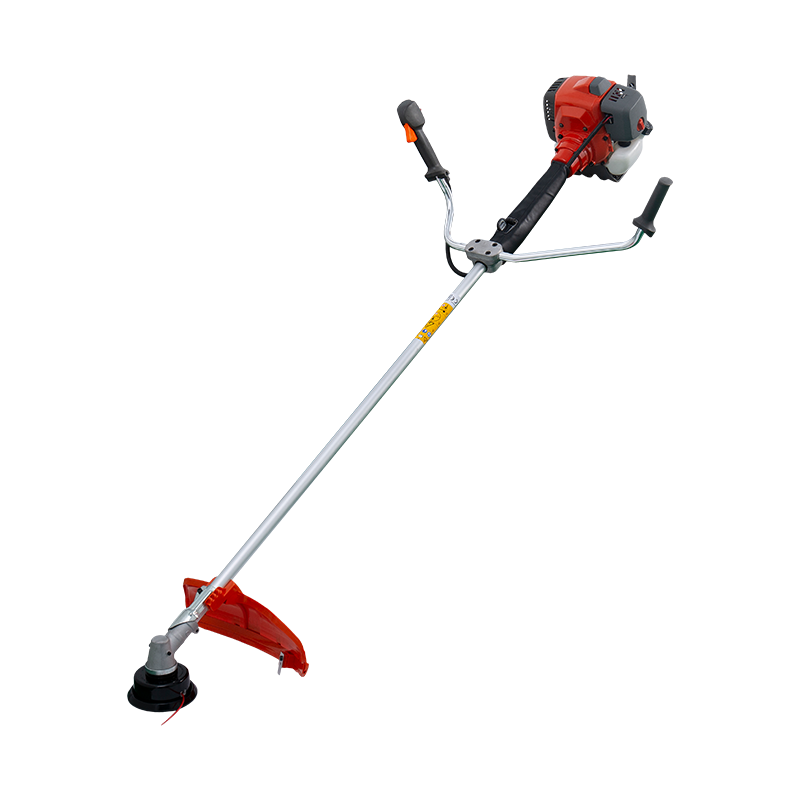
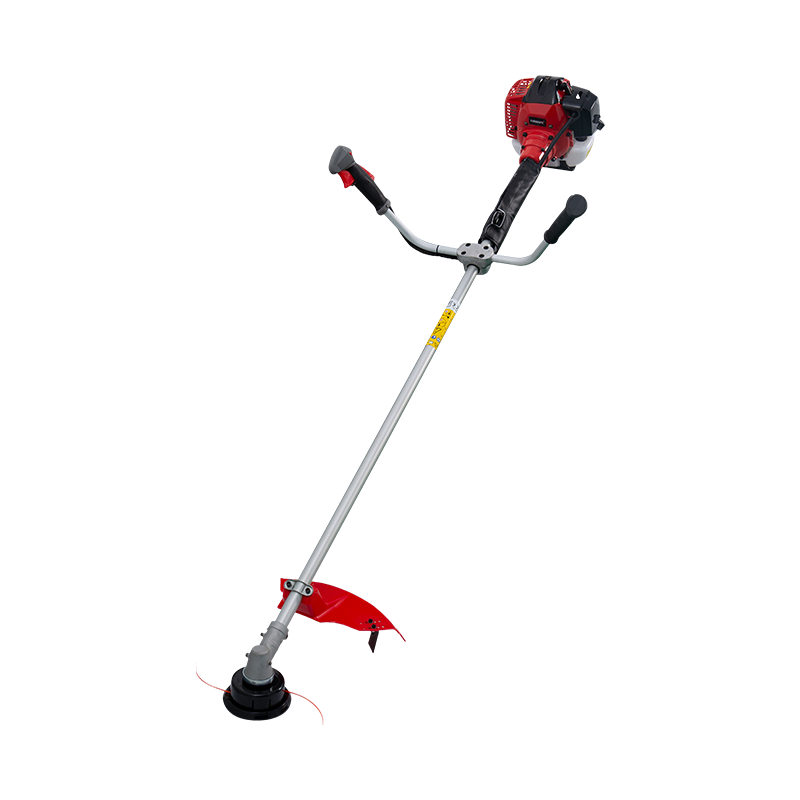
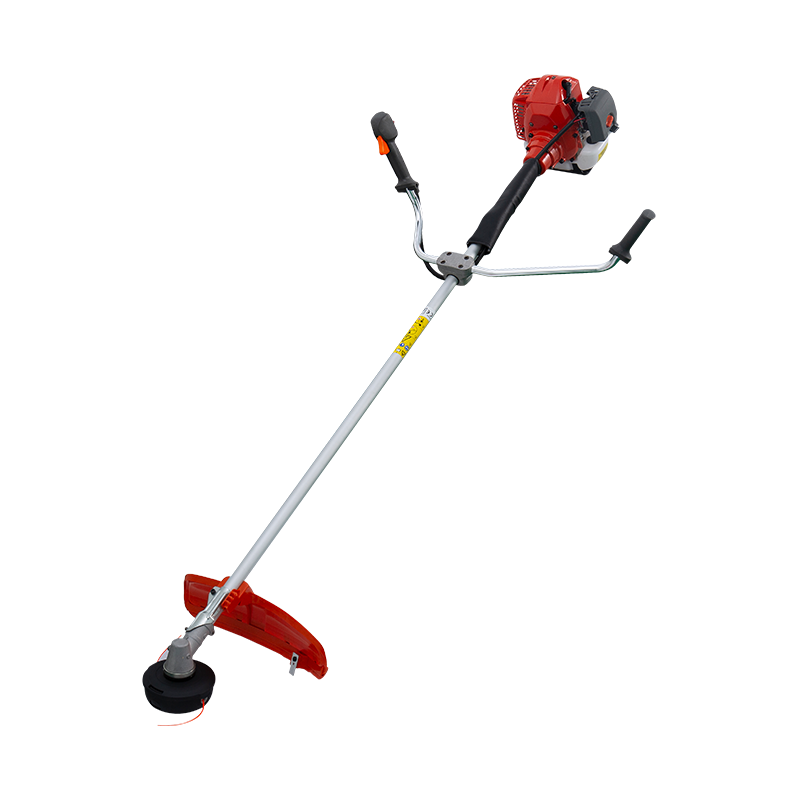
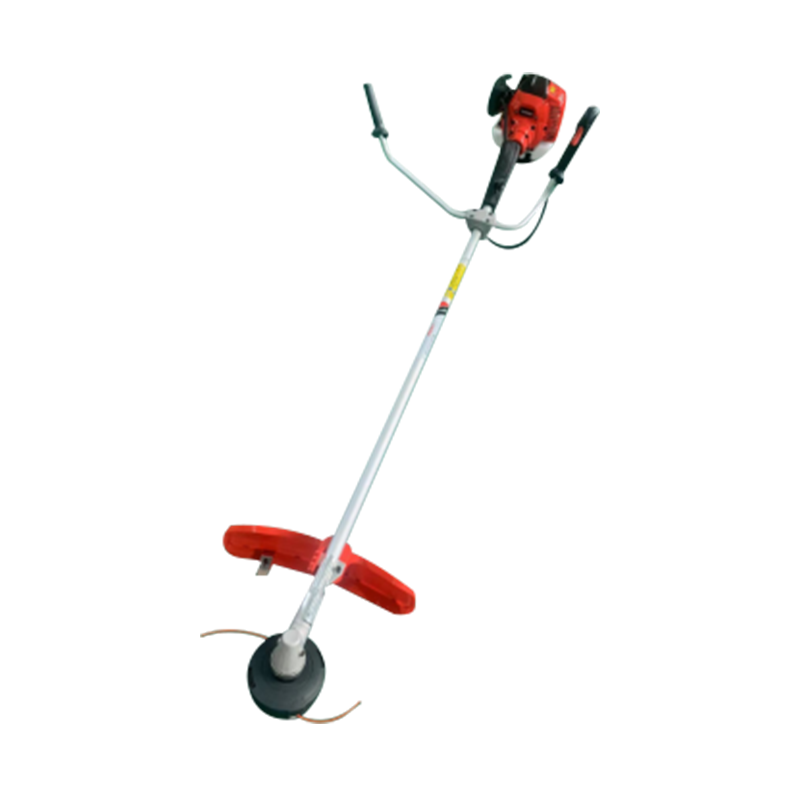
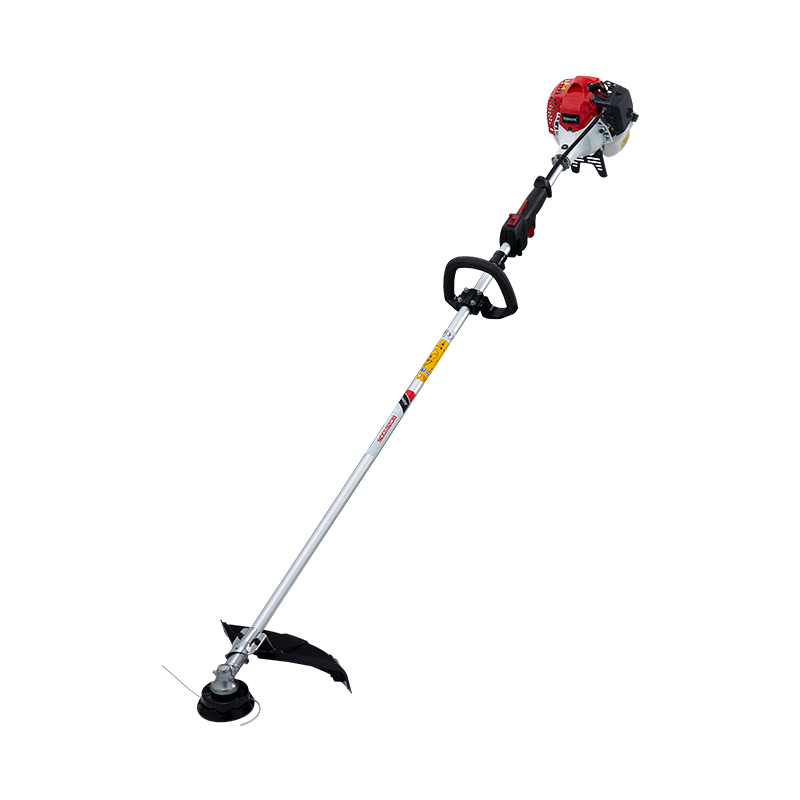
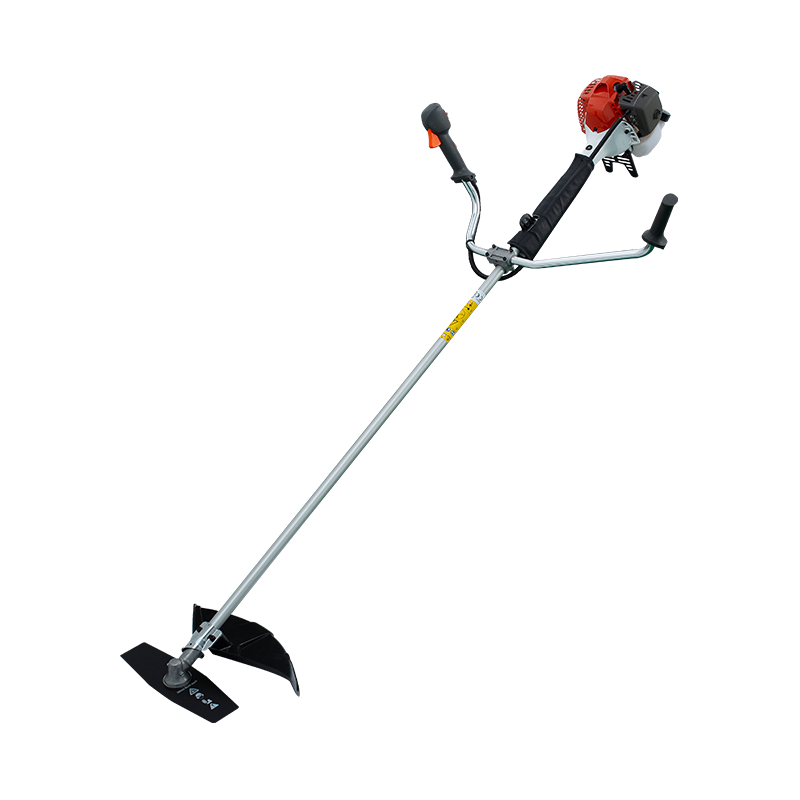
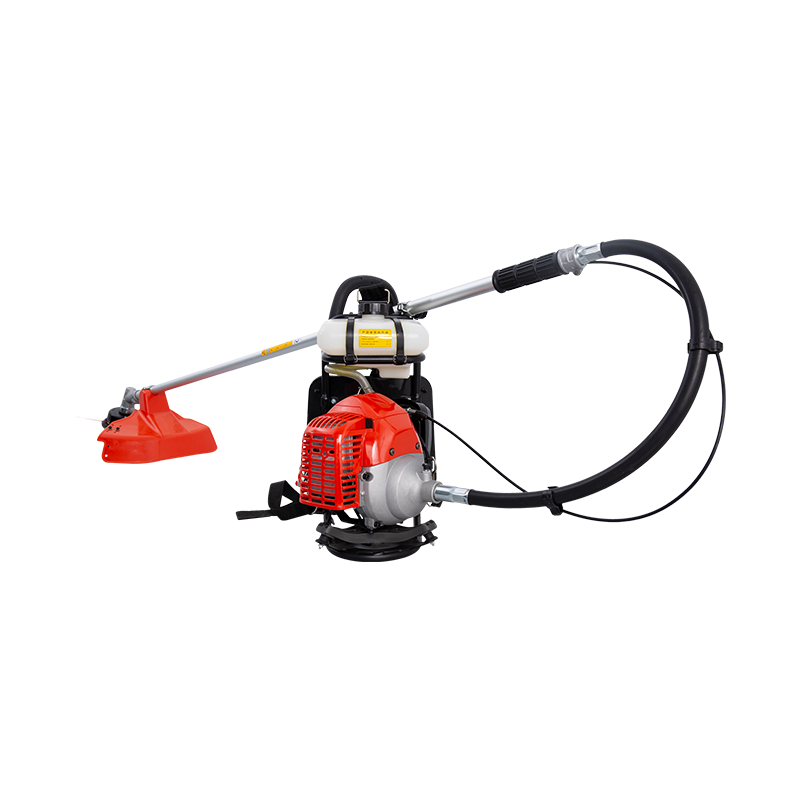
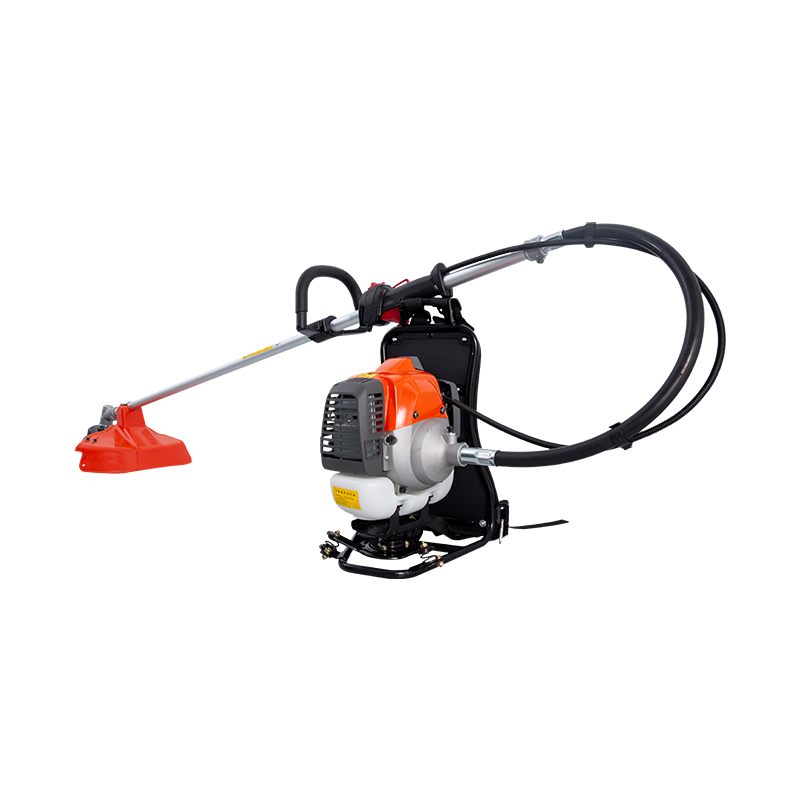
A brush cutter is a high-torque, handheld or backpack-mounted power tool specifically engineered to cut through thick-stemmed grass, brambles, brush, shrubs, and saplings with trunk diameters up to 50 millimeters (2 inches). Its purpose is fundamentally different from that of a lawn mower or string trimmer: it clears unmanaged land — overgrown fence lines, woodland understory, drainage ditches, and vacant lots — where a standard mower would stall or break. A brush cutter achieves this through a combination of a powerful engine or motor, a rigid straight shaft, a gearhead that converts high-speed rotation into high-torque output, and a metal cutting blade. Field productivity data from a forestry equipment testing center shows that a 1.2 kW brush cutter fitted with a three-blade steel knife can clear dense blackberry thickets at a rate of 0.15–0.3 hectares per hour, a task that would be physically impossible for a nylon-string trimmer to sustain for more than a few seconds without the line snapping. The tool’s purpose is not lawn maintenance — it is land reclamation.
The Fundamental Difference Between a Brush Cutter and a Weedeater: Blade vs. String
A Weedeater — a brand name that has become genericized for string trimmers — uses a rapidly spinning spool of thin nylon line to slice through grass and soft weeds. The cutting mechanism relies on kinetic energy from line speed, and upon contact with a rigid object like a sapling stem or a thick stalk, the line either shatters, breaks, or stops cutting effectively because it cannot sustain the shear force required to sever structural fibers. A brush cutter replaces the line spool with a solid metal blade — typically a circular saw-tooth blade, a three- or four-edge knife, or a chisel-type clearing blade — that can transmit the full engine torque directly into the cutting edge. The table below summarizes the key performance distinctions that define each tool’s operational envelope.
| Feature | Brush Cutter | String Trimmer (Weedeater) |
|---|---|---|
| Cutting element | Metal blade (saw, knife, chisel) | Nylon monofilament line (1.6–3.0 mm diameter) |
| Maximum stem diameter | Up to 50 mm (2 inches) in woody material | Soft green stems only; typically <6 mm |
| Engine displacement (gas models) | Typically 30–65 cc | Typically 21–28 cc |
| Shaft design | Straight shaft with rigid drive cable | Curved or straight; curved models common |
| Primary use case | Land clearing, forestry maintenance, heavy brush | Lawn edging, light grass trimming, finishing work |
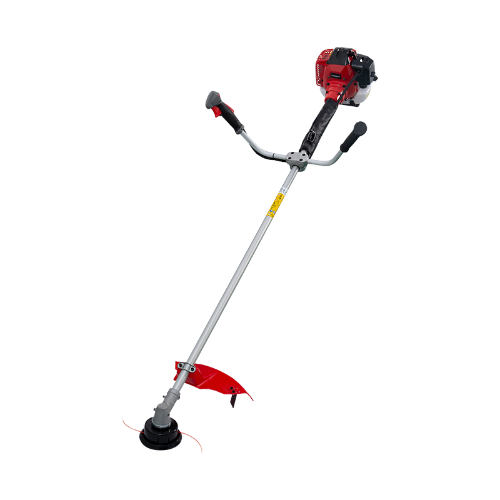
A key differentiator that is often overlooked is the handlebar configuration. Brush cutters almost always use bicycle-style handlebars or a full-loop handle that distributes the reaction torque across both arms, allowing the operator to control the machine safely when the blade catches on a stubborn root. String trimmers, by contrast, employ a D-handle or simple loop grip that prioritizes one-handed maneuverability over torque management — a design decision that clearly signals their intended use on light, compliant vegetation rather than rigid woody material.
Gas vs. Electric Brush Cutters: Power, Runtime, and the Maintenance Equation
The choice between a gas and an electric brush cutter is a decision about peak power, endurance, and long-term operating cost — not about environmental preference alone. A professional-grade gas brush cutter with a 40–50 cc two-stroke engine delivers a brake horsepower output of approximately 1.6–2.2 kW (2.1–3.0 hp) and can run continuously for as long as the operator can refill the fuel tank, typically 45–60 minutes per tank. Battery-powered electric brush cutters have advanced significantly, with current 56–60-volt lithium-ion backpack systems producing up to 1.5–1.8 kW of peak power, but their sustained run time under heavy blade load — such as cutting continuous sapling stands — rarely exceeds 30–40 minutes on a single charge, and hot-swappable batteries add significant capital cost.
Noise and vibration data tell a parallel story. Gas brush cutters at wide-open throttle produce a sound pressure level of 103–110 dB(A) at the operator’s ear, requiring mandatory hearing protection, and the vibration transmitted through the handles often measures 6–8 m/s², a level that restricts daily exposure to approximately 3–4 hours under occupational health guidelines. Cordless electric models operate at 85–95 dB(A) and typically vibrate at 2–3 m/s², effectively eliminating the need for anti-vibration gloves and dramatically reducing fatigue. A 2024 field ergonomics study comparing four hours of brush cutting found that operators using electric cutters reported 40% less hand-arm fatigue and maintained more consistent cutting angles, which directly impacts safety and blade life.
Maintenance is where the divergence becomes most costly. A gas brush cutter requires a precise fuel-oil mix (typically 50:1), regular air filter changes, spark plug replacements, and periodic carburetor tuning — a maintenance burden that, over a five-year commercial service life, adds approximately $180–$320 in consumables and labor. An electric brush cutter has no such demands; the ongoing cost consists solely of electricity and eventual battery replacement, which is estimated to occur after 500–800 charge cycles for premium lithium packs. The crossover point for total cost of ownership, based on a U.S. landscaping contractor survey in 2023, occurs at approximately 120–150 hours of annual usage. Below that threshold, electric is the clear financial winner; above it, gas remains more economical when factoring in the cost of multiple batteries required to sustain a full day of commercial clearing.
Situational Selection Factors That Determine Which Power Source Is Better
Declaring gas or electric objectively better is not possible without specifying the operating context. The following situational priorities tip the decision one way or the other based on measurable constraints, not marketing claims.
- Remote land clearing without power access: If the work site is a 20-acre rural parcel without grid electricity, a gas brush cutter with a spare fuel can provide indefinite runtime. An electric system would require either a generator — negating the emissions advantage — or an impractical number of pre-charged batteries.
- Noise-restricted residential areas: Municipalities increasingly enforce daytime noise limits of 55–65 dB(A) at property boundaries. A gas cutter at over 100 dB(A) risks fines and complaints; a cordless electric model operating at 90 dB(A) or below keeps the work within compliance and preserves good neighbor relations.
- Intermittent use on a homestead: A property owner who clears fence lines two weekends per year will likely never recoup the maintenance cost of a gas cutter; the shelf stability issues of ethanol-blended fuel alone cause over 20% of small engine repair visits according to a U.S. equipment dealer survey. A battery-powered cutter that is stored indoors and charged before use avoids fuel degradation entirely and delivers full power immediately at the press of a trigger.
- Commercial wildfire mitigation or trail maintenance: Crews working in remote, high-elevation conditions where oxygen levels drop engine power by 15–20% often find that electric motors, which deliver full rated torque regardless of air density, perform more consistently. However, the battery logistics burden remains the limiting factor for multi-day backcountry operations.
In practical terms, the rapid improvement in lithium-battery energy density — increasing by an average of 8% per year over the last decade, per U.S. Department of Energy data — is steadily expanding the envelope where electric brush cutters are the better choice. For the first time, 2024-model electric cutters with 1.5 kW output matched the sustained cutting rate of a 35 cc gas model in a controlled sapling-clearing trial, falling behind only after 40 minutes of continuous blade engagement when the battery needed to be exchanged. For the majority of non-commercial users, the point where gas definitively outperforms electric has narrowed to a very small window of prolonged, high-load clearing.