English
 Español
Content
- 1 Brush Cutters with Blades: What Sets Them Apart from String Trimmers
- 2 Types of Brush Cutter Blades and What Each Cuts Best
- 3 Safety Considerations When Operating a Brush Cutter with a Blade
- 4 Four Wheeler Brush Cutters: Clearing Land at Scale
- 5 Types of Four Wheeler Brush Cutter Configurations
- 6 Selecting the Right Four Wheeler Brush Cutter for the Job
Brush Cutters with Blades: What Sets Them Apart from String Trimmers
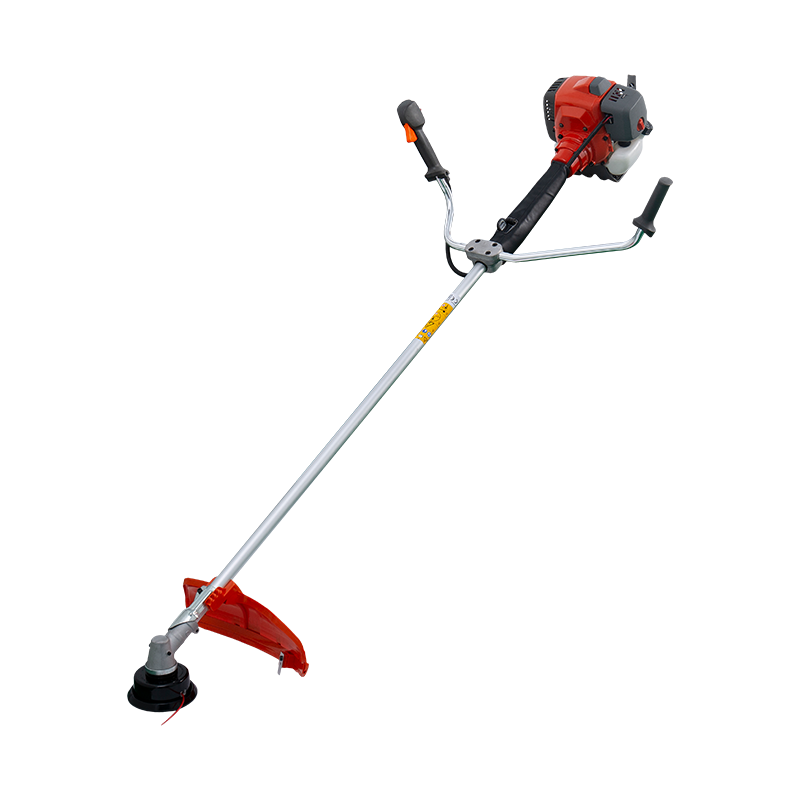
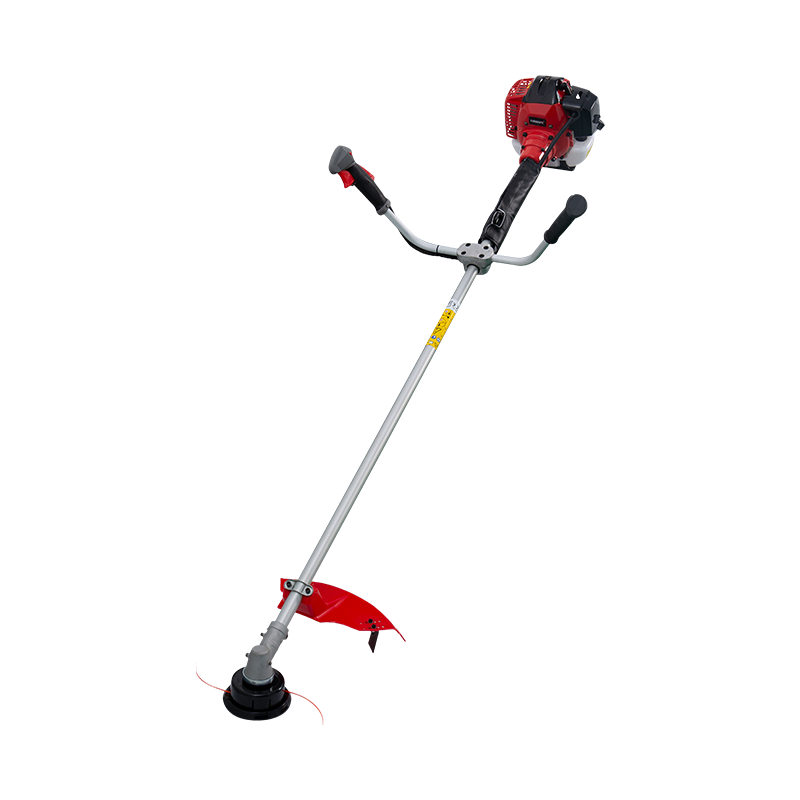
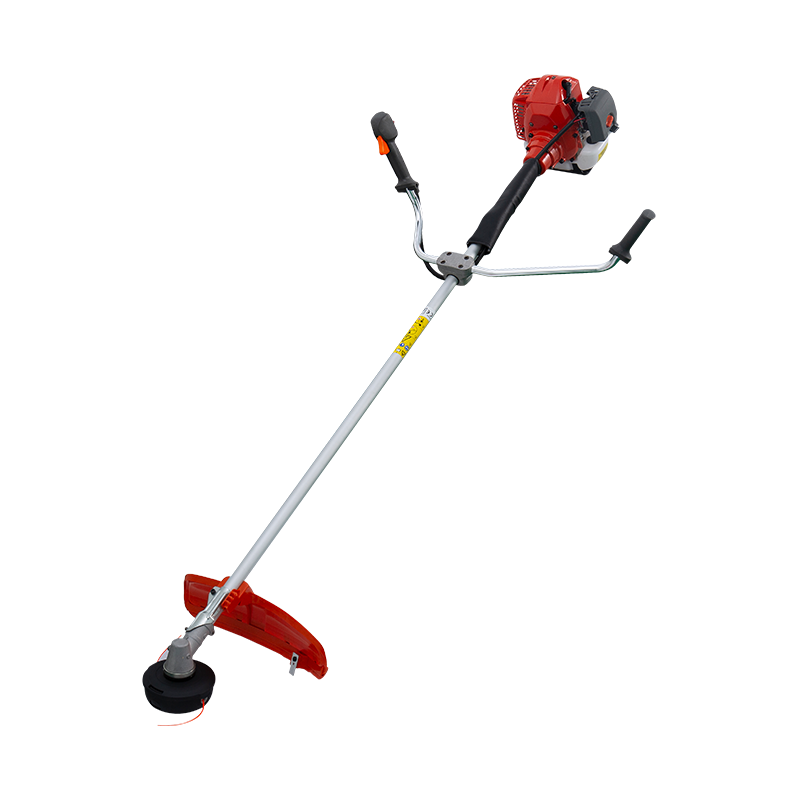
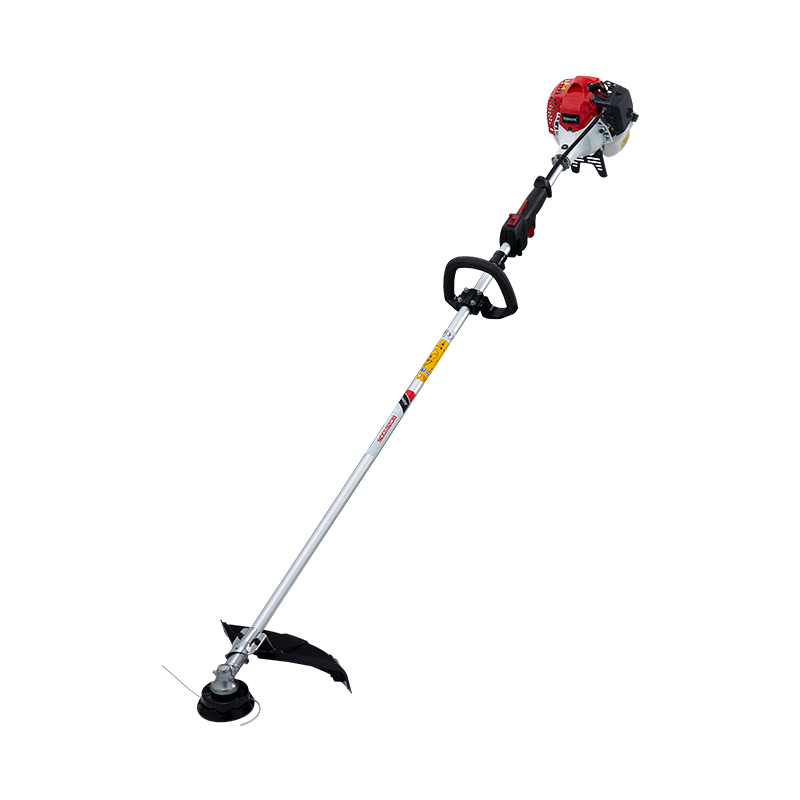
A brush cutter with a blade is a fundamentally different tool from a standard string trimmer, even though the two share a similar form factor. Where a string trimmer uses a rotating nylon line to cut grass and light weeds by impact, a brush cutter fitted with a metal blade cuts by shearing — the same mechanical principle as a saw or mower blade. This distinction matters enormously in practice: string line deflects and wraps around heavy stems, while a metal blade severs them cleanly on contact. For overgrown fields, dense brush, woody saplings, brambles, and thick weed stands, a blade-equipped brush cutter is the appropriate tool; a string trimmer is not.
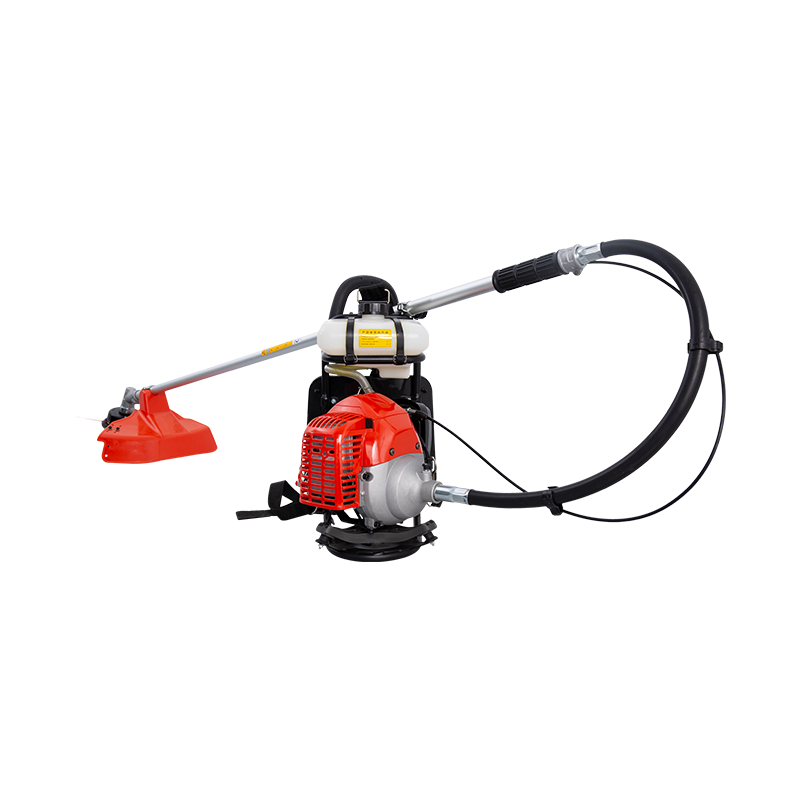
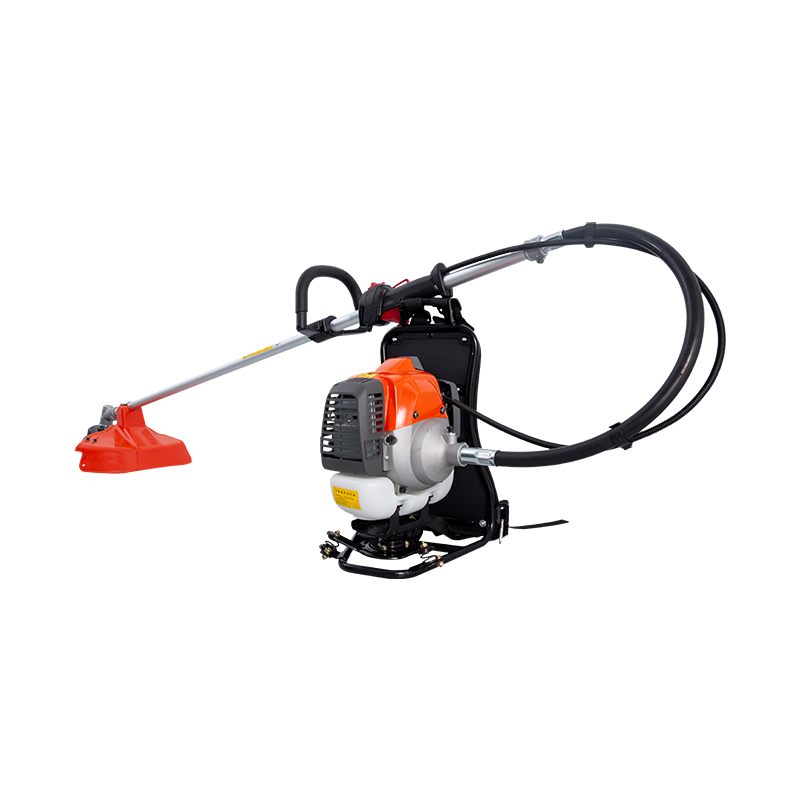
Brush cutters are designed with heavier-duty powerheads, reinforced gear heads, and rigid drive shafts or heavy-duty flexible shafts that can handle the torque and vibration loads generated by metal blade operation. Running a metal blade on a standard string trimmer — a common but dangerous improvisation — risks catastrophic gear head failure and blade ejection. A purpose-built brush cutter with a blade is engineered from the ground up for that cutting mode.
Types of Brush Cutter Blades and What Each Cuts Best
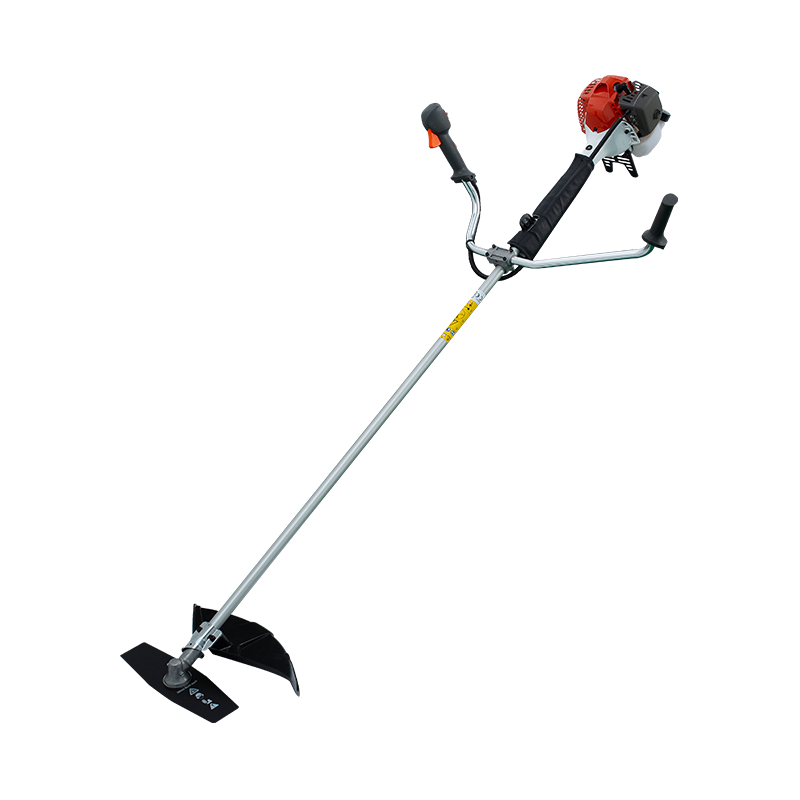
Blade selection is the single most important variable in brush cutter performance. The correct blade for the vegetation type makes cutting faster, safer, and easier on the machine; the wrong blade creates binding, vibration, and premature wear. The main categories are:
Two-Tooth and Three-Tooth Blades
Simple stamped steel blades with two or three cutting edges. Inexpensive and widely available, these are suited to medium-weight grass, thick weeds, and light brush up to about 1.5 cm in stem diameter. The limited tooth count means they cut aggressively but are less tolerant of hidden rocks and debris — a tooth strike against a rock can nick or bend the cutting edge. Best used where the ground is known to be clear of embedded stones.
Eight-Tooth and Multi-Tooth Circular Blades
Blades with 8, 9, 12, or more teeth distribute cutting work across more edges, reducing per-tooth load and improving cut quality on heavier material. An 8-tooth blade is the most common general-purpose choice for serious brush clearing work — it handles woody brush, brambles, and small saplings up to 3–4 cm in diameter effectively, produces less vibration than fewer-tooth designs, and remains controllable in dense mixed vegetation. Multi-tooth blades are available in hardened steel or carbide-tipped versions for extended edge life.
Chisel-Tooth and Ripping Blades
Designed with deep, aggressive tooth geometry for cutting through dense woody material, invasive cane species like bamboo and Japanese knotweed, and small hardwood saplings. These blades remove more material per revolution but require more power and generate more vibration. They are typically specified for commercial land clearing work on machines with engine displacements of 40 cc and above.
Grass Blade (Tri-Blade or Grass Knife)
A three-winged blade with straight or slightly curved cutting edges, designed for cutting heavy grass stands, reeds, and rushes rather than woody brush. Produces a cleaner finish than a coarse brush blade on grass-type vegetation and is the appropriate choice when the primary target is rank grass rather than shrubby growth.
| Blade Type | Best For | Max Stem Diameter | Min. Recommended Engine |
|---|---|---|---|
| 2- / 3-tooth | Heavy grass, light weeds | ~1.5 cm | 25 cc |
| 8-tooth circular | Brush, brambles, saplings | ~4 cm | 33 cc |
| Chisel / ripping blade | Dense woody brush, bamboo, hardwood saplings | ~6 cm | 40 cc |
| Tri-blade grass knife | Rank grass, reeds, rushes | N/A (grass-type) | 25 cc |
Safety Considerations When Operating a Brush Cutter with a Blade
Metal blades on brush cutters represent a significantly higher injury risk than string trimmer line. A brush cutter blade spinning at 6,000–9,000 RPM can eject cut material, stones, and blade fragments at speeds exceeding 200 km/h. The following precautions are non-negotiable for blade operation:
- Full face shield, not just safety glasses: Flying debris from blade-equipped brush cutters travels at velocities that safety glasses alone do not adequately protect against. A forestry-grade face shield rated to EN 1731 or equivalent is the minimum appropriate protection.
- Cut-resistant leg protection: Chainsaw-rated chaps or cut-resistant gaiters protect against blade contact with the operator's lower legs — the most common site of serious brush cutter injuries. Standard work trousers provide no meaningful protection.
- Blade condition inspection before each use: Never operate a cracked, bent, or unevenly worn blade. A damaged blade is at risk of catastrophic fracture under operating loads, with fragments ejected in unpredictable directions. Replace blades at any sign of structural damage.
- Correct blade torque specification: Overtightening or undertightening the blade retention nut is a common cause of blade loosening during operation. Always torque to the manufacturer's specification — typically 25–50 Nm depending on the model — and use the correct blade adapter for the specific blade arbor size.
- Clear the area of bystanders: Maintain a minimum exclusion zone of 15 meters from any person when operating a blade-equipped brush cutter. Ejected material from metal blades carries lethal energy at distances that string trimmer debris does not reach.
Four Wheeler Brush Cutters: Clearing Land at Scale
A four wheeler brush cutter — also referred to as an ATV brush cutter, quad brush cutter, or tow-behind brush cutter — is a heavy-duty cutting implement designed to be mounted on or towed behind an all-terrain vehicle or utility task vehicle (UTV). Where a handheld brush cutter with a blade is appropriate for quarter-acre to one-acre jobs in difficult terrain, a four wheeler brush cutter scales that capability to multi-acre land clearing, pasture reclamation, right-of-way maintenance, and roadside vegetation management.
The defining characteristic of four wheeler brush cutters is their power source. Unlike tractor-mounted rotary cutters that draw power from a tractor's PTO, most ATV and UTV brush cutters are self-powered units with their own gasoline engines — typically 13–25 HP horizontal-shaft engines — that drive one or more heavy steel blade assemblies through a direct drive or belt reduction system. This self-contained power approach allows them to operate on vehicles that have no PTO output, including standard ATVs, UTVs, and light utility vehicles.
Types of Four Wheeler Brush Cutter Configurations
Front-Mount ATV Brush Cutters
Attached to the front receiver hitch or front rack of an ATV, front-mount brush cutters allow the operator to see the cutting zone directly and maneuver the blade head into fence lines, tree lines, and irregular boundaries with precision. The ATV pushes the cutter forward, with the operator in full view of the work area. This configuration is well suited to detail work around obstacles and boundary maintenance where sight lines matter. Cutting widths of 90–120 cm are common in front-mount designs.
Tow-Behind Rotary Cutters
Tow-behind units trail behind the ATV or UTV on a hitch, covering wider cutting swaths — typically 120–180 cm — and are better suited to open field clearing where obstacles are minimal. The self-powered engine drives one or two blade assemblies beneath a heavy steel deck. Cutting height is adjustable through rear roller or skid height settings. Tow-behind cutters can handle brush up to 5–7 cm in diameter in a single pass on full-size units, and their larger blade decks produce higher throughput per hour than front-mount designs.
UTV-Mounted Hydraulic Brush Cutters
Higher-end configurations use the UTV's auxiliary hydraulic system — where available — to power a hydraulic motor driving the blade assembly, eliminating the separate gasoline engine and reducing overall maintenance requirements. These units are more common on purpose-built utility vehicles with hydraulic outlets than on standard recreational ATVs. Hydraulic brush cutters offer smoother power delivery, better speed control under varying load, and lower vibration transmission to the vehicle than engine-driven equivalents.
Selecting the Right Four Wheeler Brush Cutter for the Job
Matching a four wheeler brush cutter to the application requires honest assessment of four variables: vegetation density, terrain type, vehicle capability, and required throughput. Undersizing the cutter results in frequent stalling, blade bog-down, and accelerated drive belt or blade wear; oversizing wastes capital and may exceed the towing or weight capacity of the vehicle.
- Vegetation type and density: Rank grass and light brush up to 2.5 cm in diameter is manageable by a 13–15 HP cutter on a mid-size ATV. Dense woody brush, multi-stem invasive species, and saplings up to 5 cm require a 18–25 HP unit mounted on a full-size UTV rated for the additional tongue weight.
- Terrain slope and surface: Steep slopes and rough ground favor front-mount configurations where the ATV's weight keeps the cutter head in stable contact with the ground. Flat or gently rolling terrain is where tow-behind units achieve their maximum efficiency advantage.
- Vehicle towing and payload ratings: Never exceed the ATV or UTV manufacturer's published towing capacity or front/rear rack payload ratings. A fully fueled self-powered brush cutter can weigh 180–350 kg — confirming that the vehicle's ratings accommodate this load is a prerequisite, not an afterthought.
- Blade and deck maintenance access: Inspect blade bolt accessibility, deck cleanout provisions, and belt replacement procedures before purchasing. Units that require complete disassembly to change a worn blade or drive belt add significantly to operating cost over a season of heavy use.
For property owners managing 5–50 acres of brushy pasture, old field, or overgrown right-of-way, a four wheeler brush cutter represents a practical middle ground between a handheld unit — too slow and physically demanding at that scale — and a full tractor-mounted rotary cutter, which requires owning or renting a tractor. The combination of ATV mobility and self-powered cutting capacity makes these machines particularly effective in terrain that would stop a wheeled tractor — steep hillsides, wet low-lying areas, and densely wooded margins where a tractor cannot safely operate.