English
 Español
Content
Brush Cutter vs Lawn Mower: Two Tools for Two Different Jobs
A lawn mower and a brush cutter are not interchangeable. A mower is designed to maintain a managed lawn, cutting grass that is already short to a uniform height. A brush cutter is designed to reclaim land that has been left to grow for months or years, slicing through stems that would stall or damage a mower. The brush cutter vs lawn mower for tall grass question is really about whether the vegetation in front of you is still grass or has become something tougher. If the stems are thicker than a pencil, if the terrain is uneven, or if the area is dotted with saplings and brambles, the mower stays in the shed.
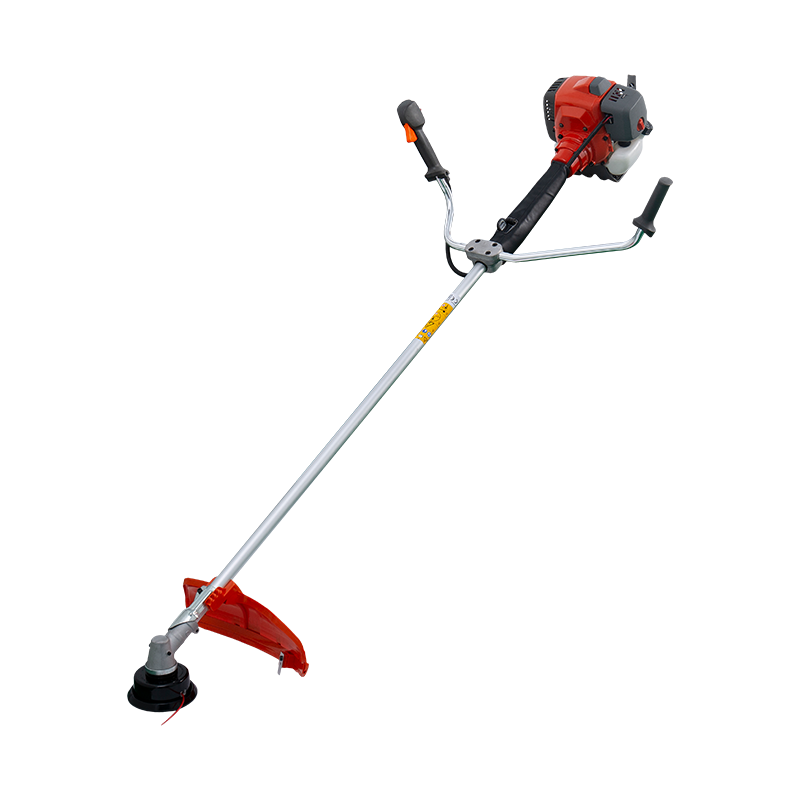
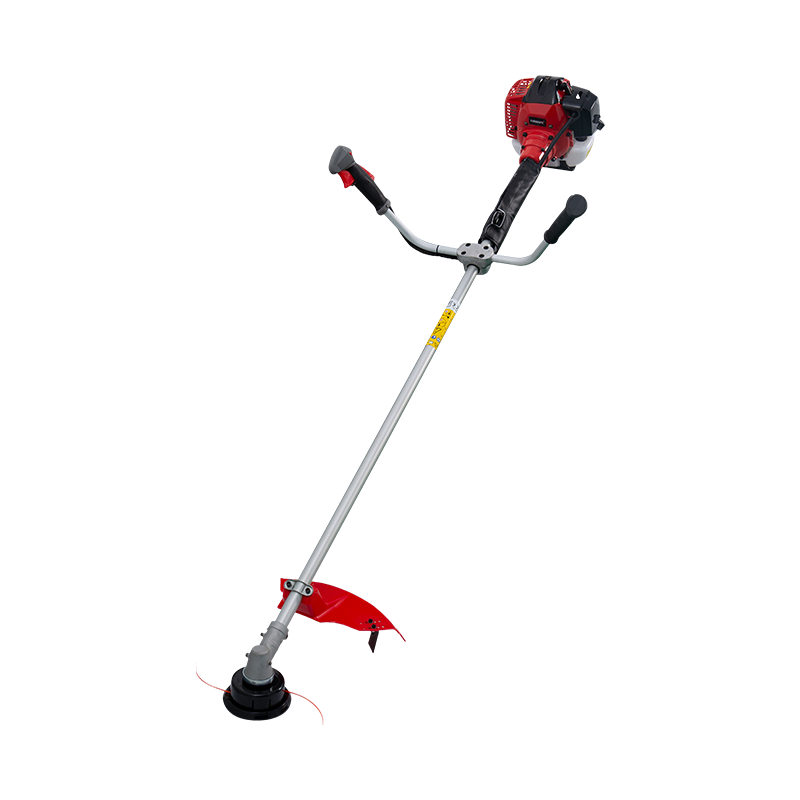
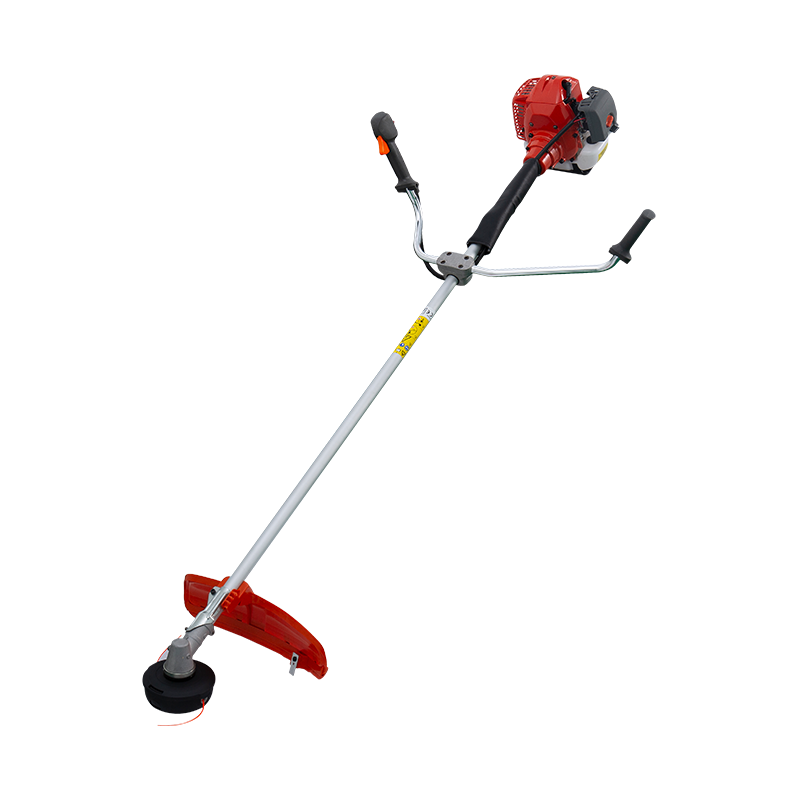
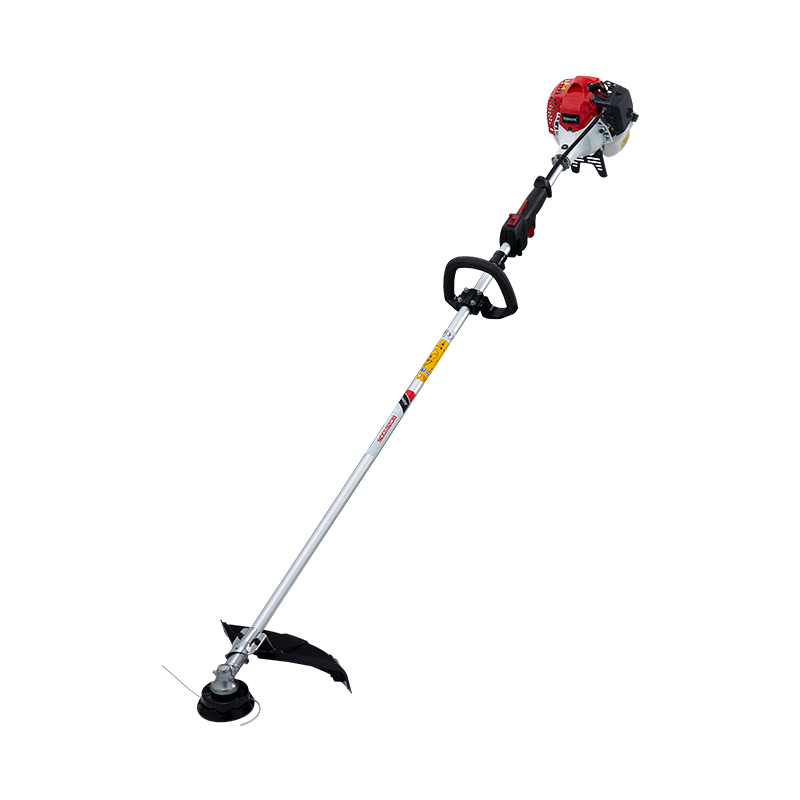
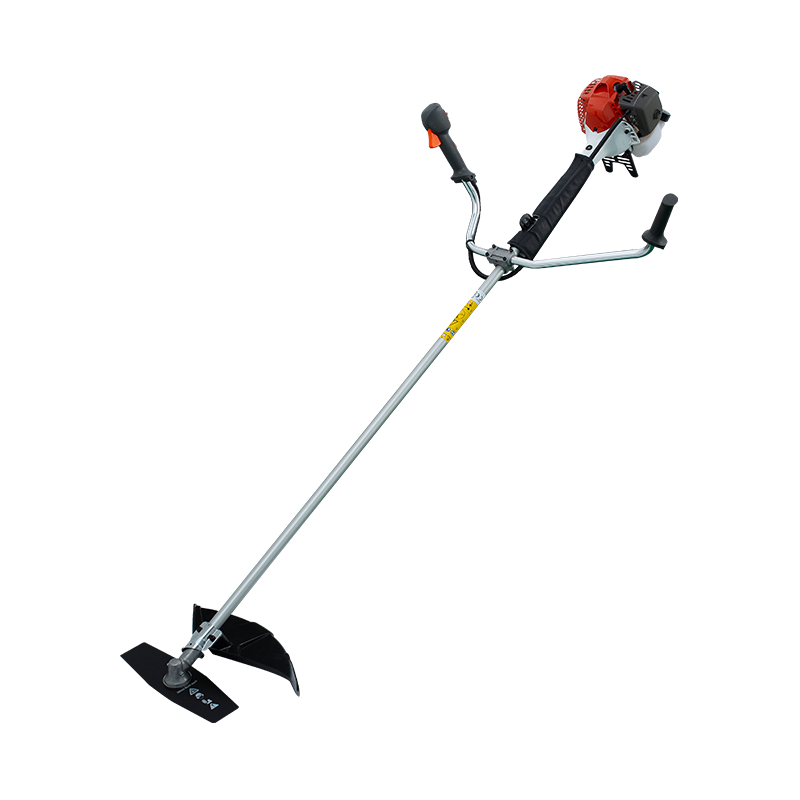
Understanding how to choose between a brush cutter and a lawn mower begins with the physical limits of each machine. A rotary mower relies on a fast-spinning blade under a deck, and it can clog, bend, or shear its flywheel key if it hits a heavy stalk. A brush cutter uses a metal blade or a heavy-duty line head at the end of a shaft, giving the operator the reach and leverage to swing into dense clumps and uneven ground. The difference is not just power; it is the entire method of cutting and the safety envelope around it. A mower keeps you behind the machine; a brush cutter lets you place the blade exactly where it needs to go, at the cost of carrying the tool.
When Should You Use a Brush Cutter Instead of a Lawn Mower?
The question when should you use a brush cutter instead of a lawn mower is answered by three field conditions: the height and thickness of the vegetation, the presence of woody stems, and the ground surface. If the grass is tall enough to wrap around the mower's blade spindle — typically above 30 to 40 cm — a walk-behind mower will bog down repeatedly. The engine may survive, but the cut will be ragged, and the clogged deck will leave clumps of wet cuttings that smother the remaining grass. A brush cutter for tall grass and weeds cuts from above, with the blade or line striking the stalks at their midpoint and chopping them in a single pass without a deck to clog.
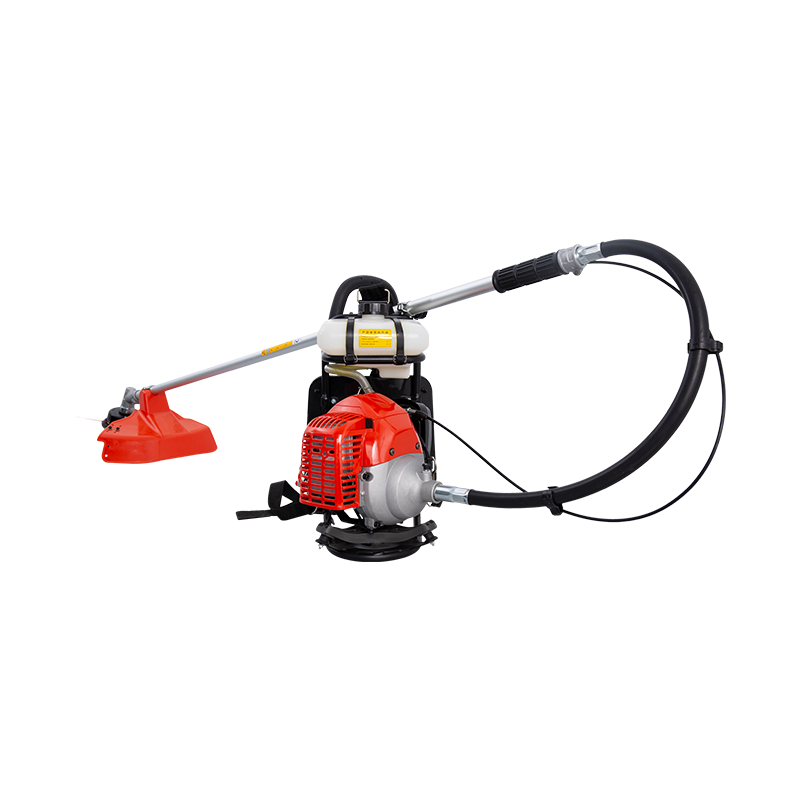
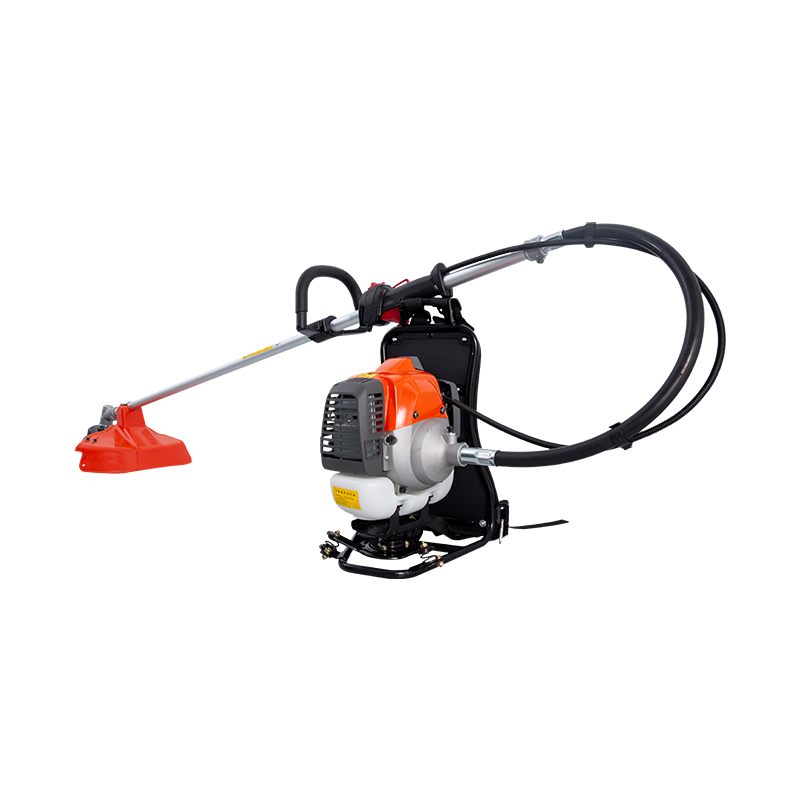
For woody brush and brambles, the mower is not simply ineffective; it can be dangerous. A rotary mower blade hitting a thick sapling can kick the machine backward or throw the stem at high speed. A brush cutter with a chisel-tooth saw blade can cut through saplings up to 5 cm in diameter cleanly. So if you ask can a brush cutter cut thick weeds and brush, the answer is yes, and with far less risk of injury or machine damage than attempting the same with a mower. The third factor is terrain. A mower scalps on uneven ground, damaging the blades and the soil. A brush cutter on a harness follows the contour of the land without digging in, which is why it is the default tool for brush cutter for overgrown land projects where the ground is rough, rocky, or sloped.
What Is Better for Cutting Overgrown Grass: A Comparison of Limits
To decide what is better for cutting overgrown grass on a specific property, the table below maps the operational limits of a standard rotary lawn mower and a brush cutter across the key vegetation and terrain variables.
| Condition | Lawn Mower | Brush Cutter |
|---|---|---|
| Grass height < 20 cm | Fast, even finish | Overkill; uneven cut |
| Grass height 30–60 cm | Clogs, stalls, ragged cut | Clears cleanly with a line or blade |
| Thick weeds and soft stems | Tangled in the blade, deck fills rapidly | Cuts through; shredder blade prevents wrapping |
| Woody brush, brambles, saplings | Hazardous; machine damage likely | Designed for this; chisel-tooth saw blade |
| Flat, smooth lawn | Ideal | Tiring to use; poor finish |
| Rough, rocky, or sloping ground | Scalps, unstable, blade damage | Follows contour; harness absorbs fatigue |
The brush cutter vs lawn mower for tall grass calculation is not simply about power. A 5-horsepower mower may have more engine than a 2-horsepower brush cutter, but the mower's cutting system is trapped inside a deck that channels grass into a single blade spinning horizontally near the ground. The brush cutter swings from above and can be angled to slice through the densest material. For vegetation that has gone beyond lawn into field, the brush cutter is the only handheld machine that can begin the reclamation process without being destroyed in the attempt.
How to Clear Heavily Overgrown Grass: A Practical Sequence
Knowing how to clear heavily overgrown grass means staging the tools in the right order. Start with a brush cutter for overgrown land to knock down the tallest, thickest material. Use a shredder blade or a heavy-duty line head to cut everything down to 10–15 cm above ground level. This first pass is about reducing the biomass to a height where a mower or a string trimmer can handle the follow-up. Attempting to mow this material directly is the fastest way to destroy a mower's spindle bearings or burn out its clutch.
After the brush cutter has taken the vegetation down, the second stage is to remove the cut material or let it dry for a few days. Thick, wet clippings will mat and rot, killing whatever grass is underneath. Once the area is dry and the stubble is visible, a lawn mower set to its highest cutting height can be used to even out the surface and mulch the remaining debris. A brush cutter for tall grass and weeds is the initial assault tool; a mower is the finishing tool. Over the following weeks, regular mowing can bring the area back to a maintained lawn state, provided the woody roots and stumps are removed or treated. Without the initial brush cutter pass, a mower simply cannot start the job on heavily overgrown ground.
Making the Choice on Your Land
The final answer to how to choose between a brush cutter and a lawn mower depends on the state of the land today and your long-term plan. If you are reclaiming a patch of ground that has not been touched in over a year, a brush cutter is the first tool you need. It can cut thick weeds and brush safely, access corners and ditches where a mower cannot go, and clear the way for a mower to do its job later. If you have a lawn that simply got a bit too long during a rainy spell, a mower with a high-lift blade and a side-discharge chute may still manage it, but be prepared to work in stages and clear the deck frequently.
For those who ask can a brush cutter cut thick weeds and brush more effectively than a mower, the answer is unequivocally yes — it was engineered precisely for that. The trade-off is that a brush cutter is physically demanding to use for large expanses of flat lawn, where a self-propelled mower is faster and leaves a superior finish. The two machines are complementary stages in land management, not competitors. A brush cutter clears the wild; a lawn mower maintains the tame. Knowing which situation you are facing is the decision — and in heavily overgrown terrain, the brush cutter is the only machine that can start the conversation.